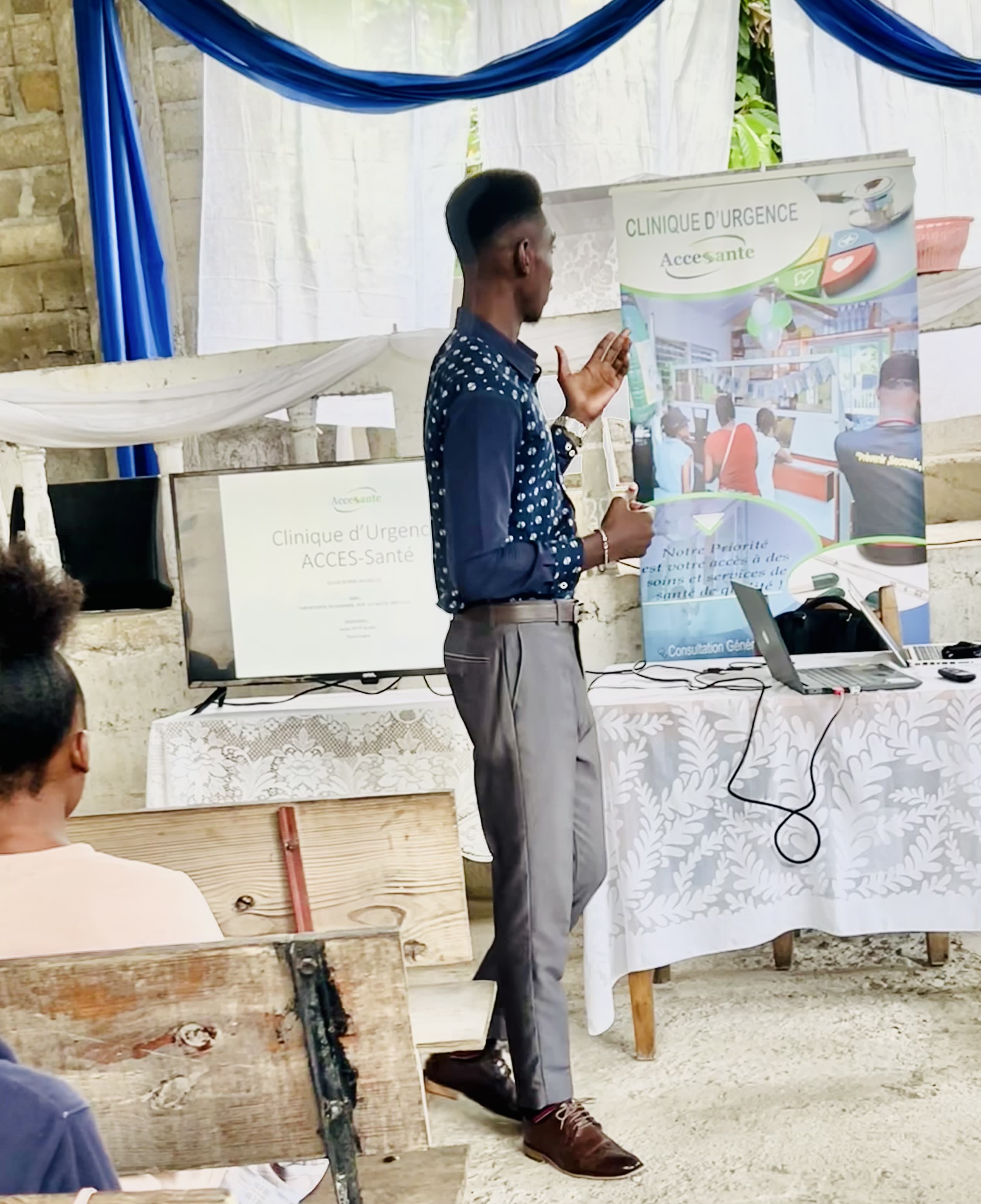
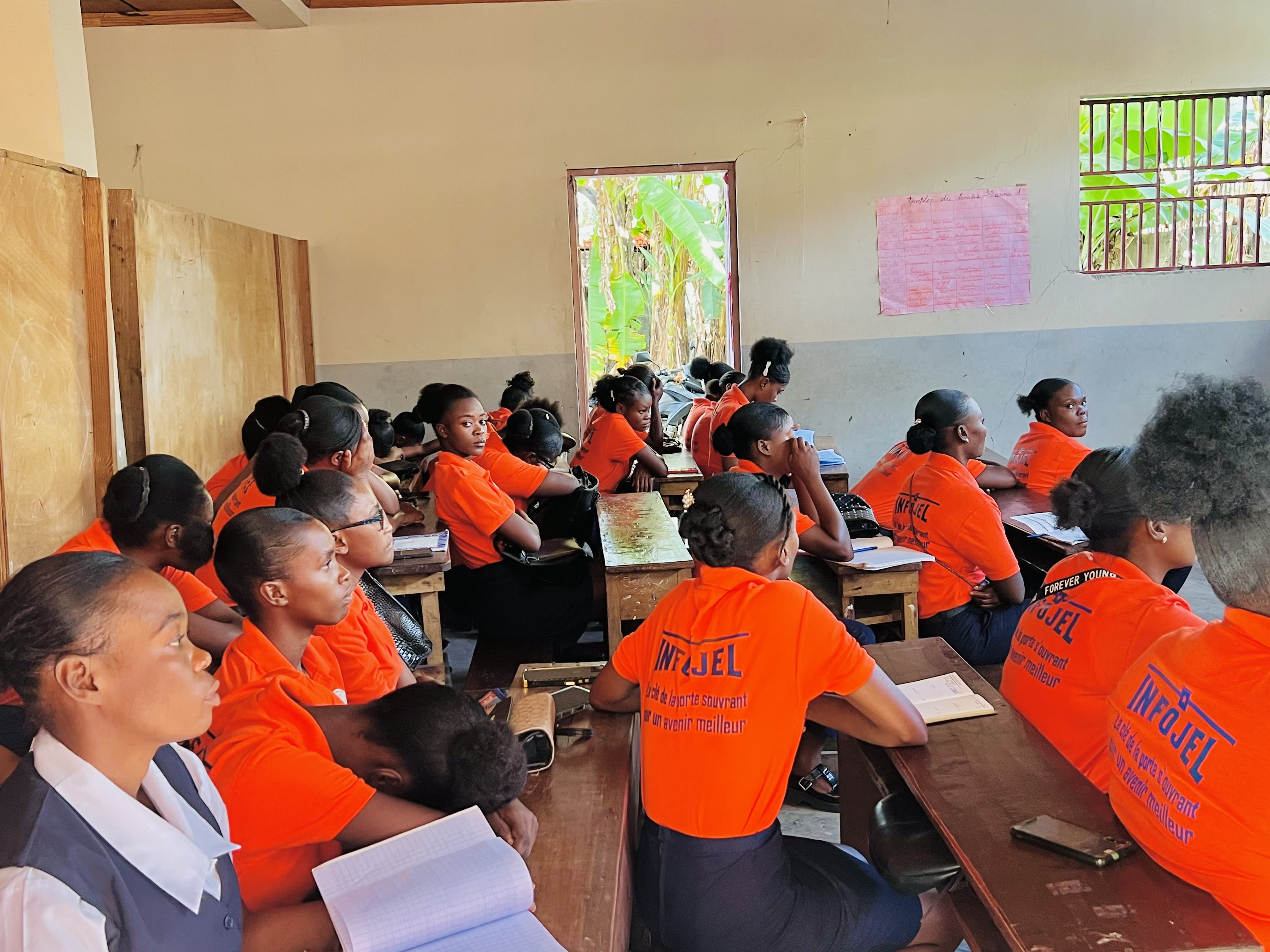
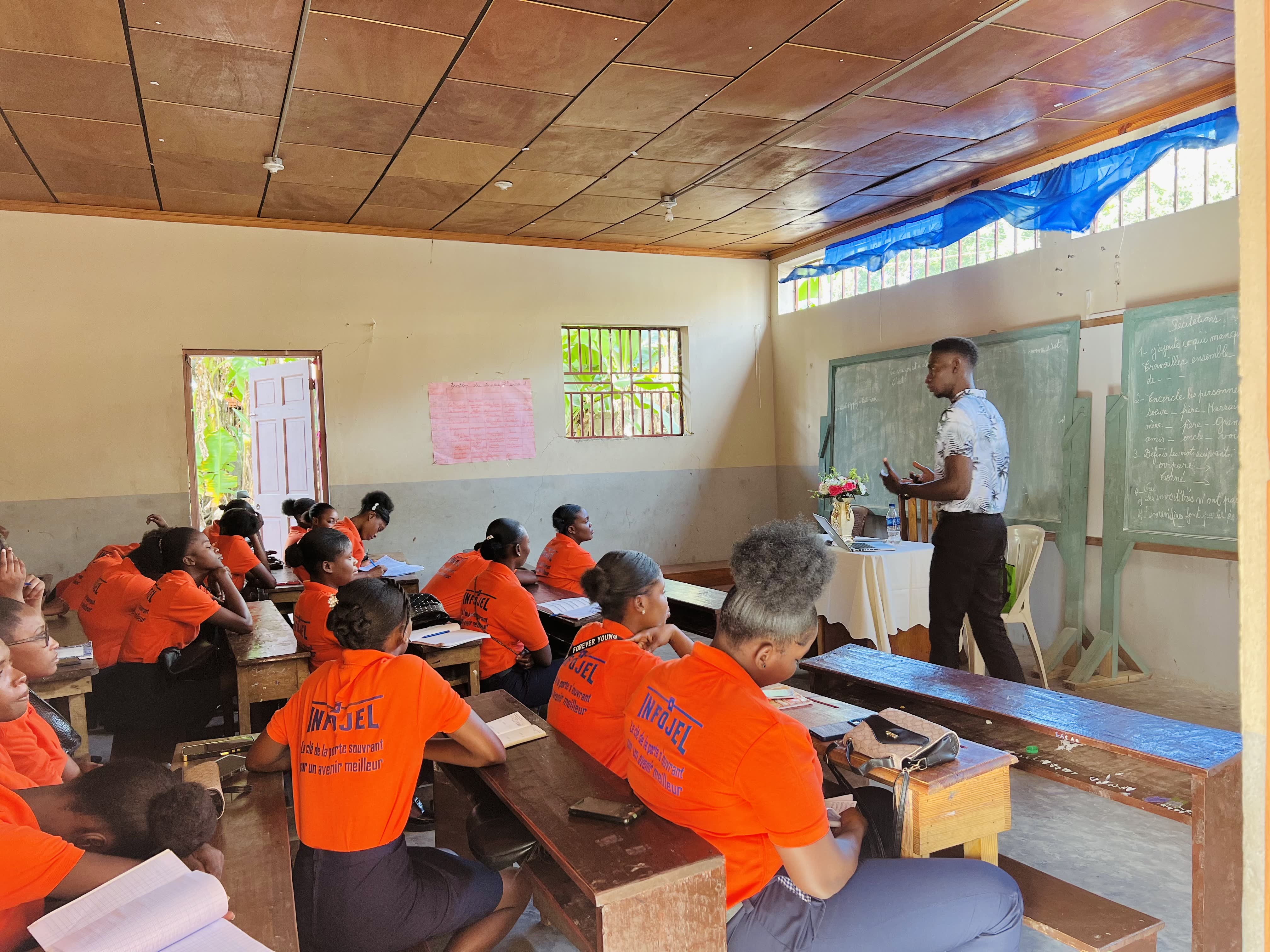
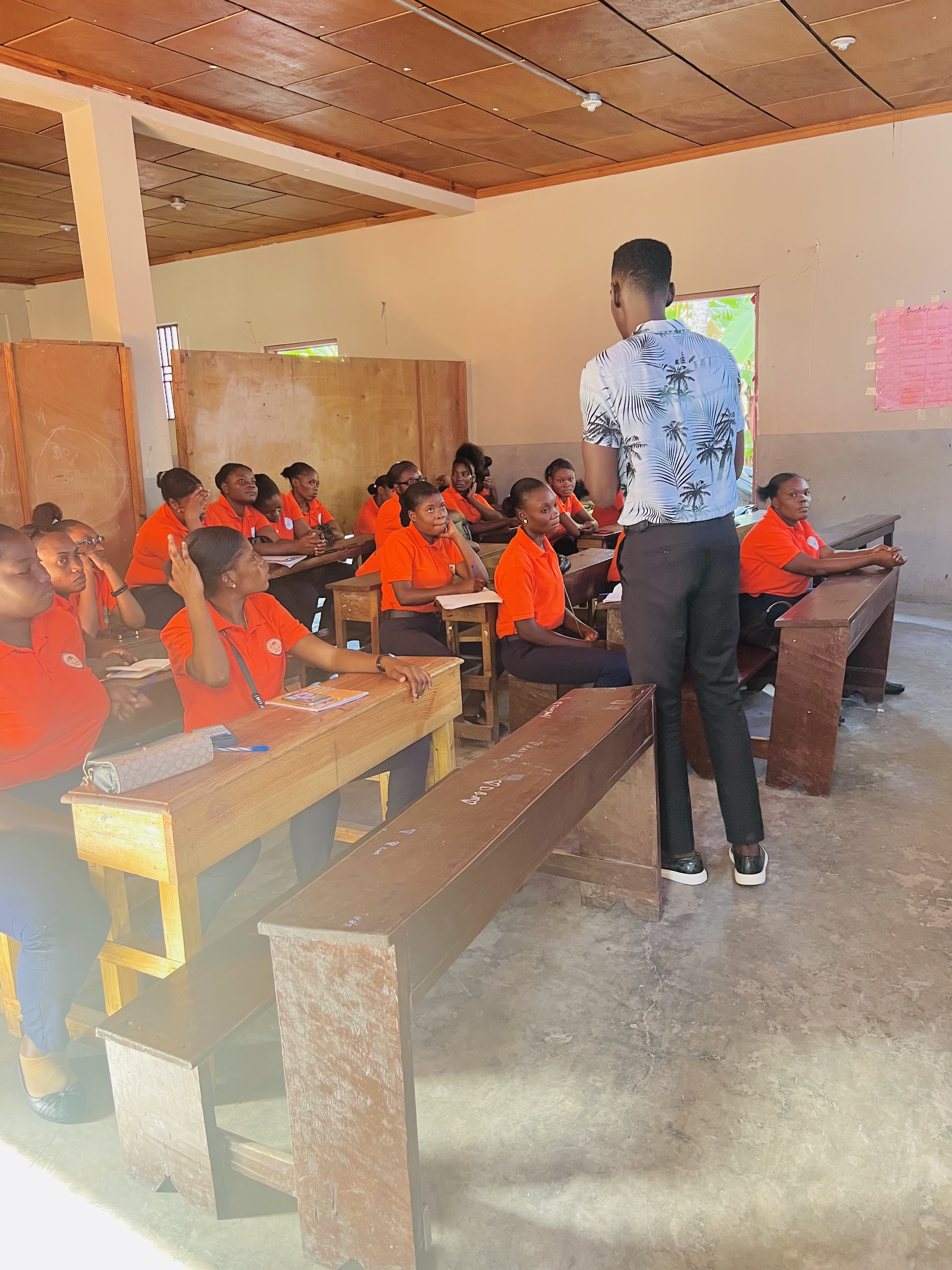
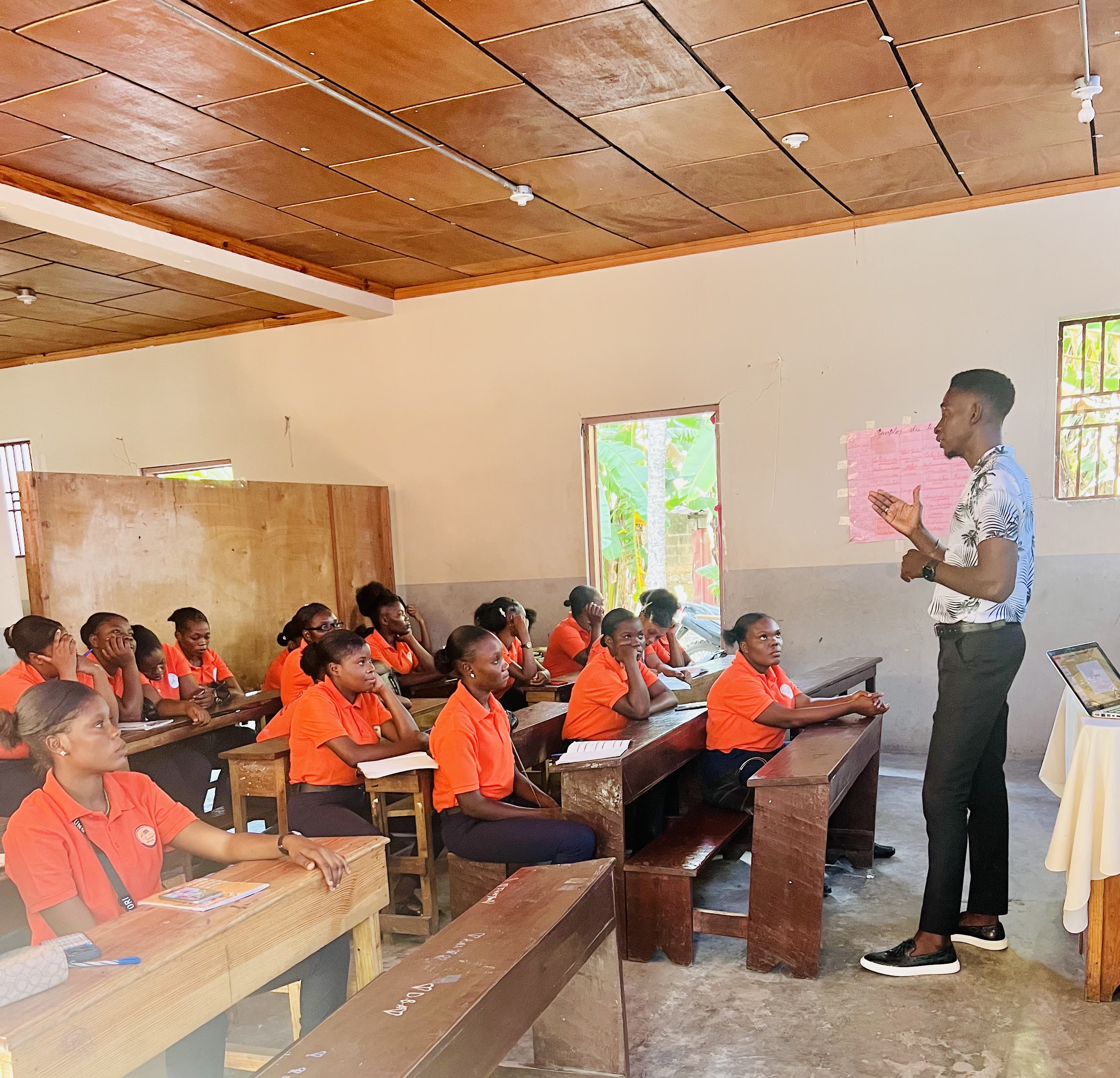
On Thursday, February 13, 2025, the Clinique d'Urgence Accès-Santé marked a decisive moment in its commitment to promoting mental health in Haiti. Recognizing that education professionals are influential actors among young generations, the organization structured a targeted training session, mobilizing 29 educators from the Limbé territory. This activity responds to a deep conviction: investing in educators' mental health is simultaneously investing in that of thousands of learners who enter our schools daily.
Mental health of educators: training to transform the Haitian community

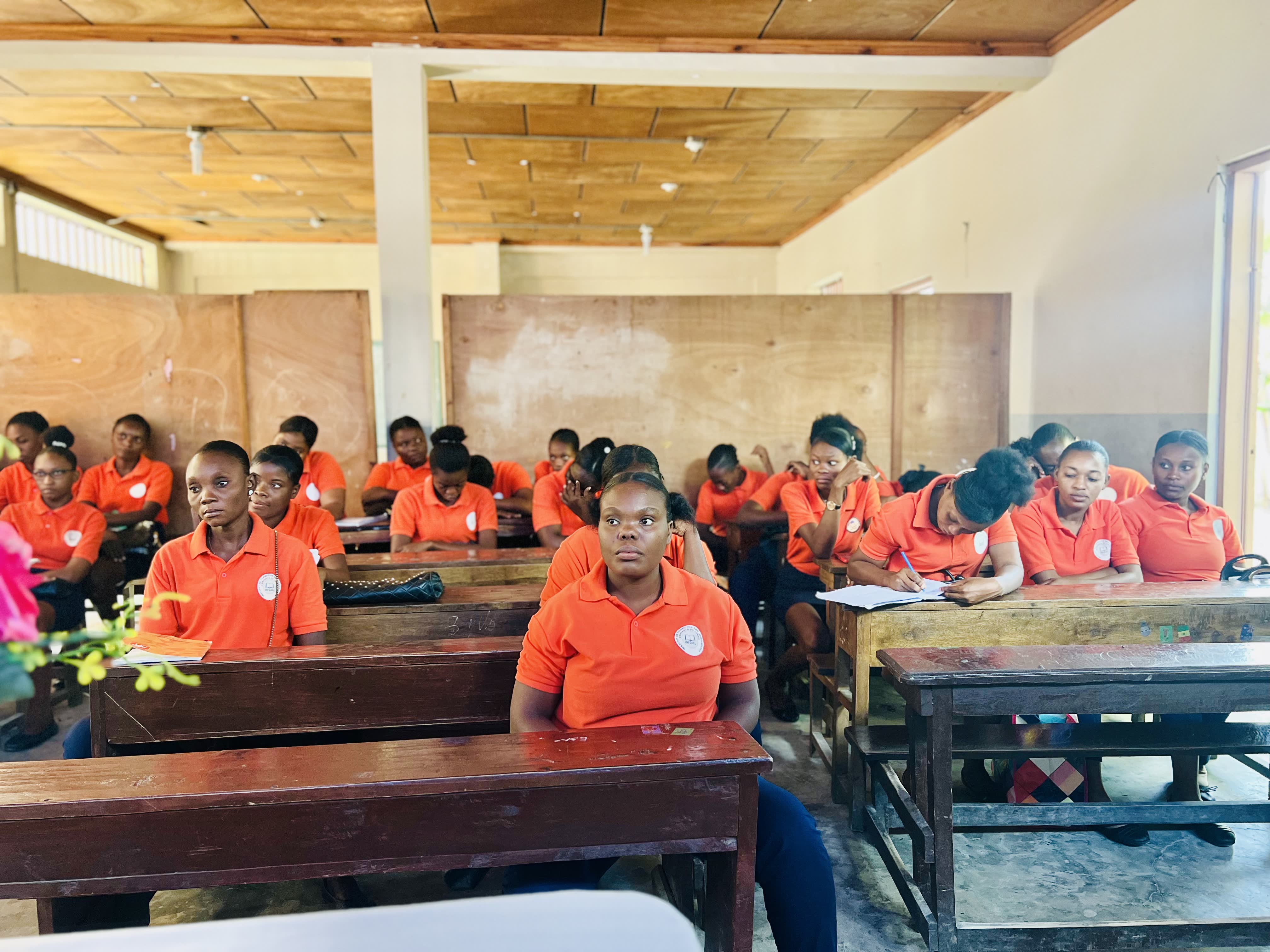
On February 13, 2025, the Clinique d'Urgence Accès-Santé organized a major training session dedicated to mental health, bringing together 29 educators from the education sector in Limbé. This event is part of a scientific awareness-raising and capacity-building initiative for key actors in the Haitian education system.
The participants, aged 18 to 40, benefited from structured training combining theoretical foundations and conceptual tools relevant to their professional context. The goal: to equip education professionals with better understanding of their own mental health and that of their learners.
This initiative addresses an urgent need for awareness in a context where fragmented knowledge and prejudices persist. By strengthening educators' capacities, Accès-Santé is indirectly investing in the well-being of an entire generation of Haitian learners.
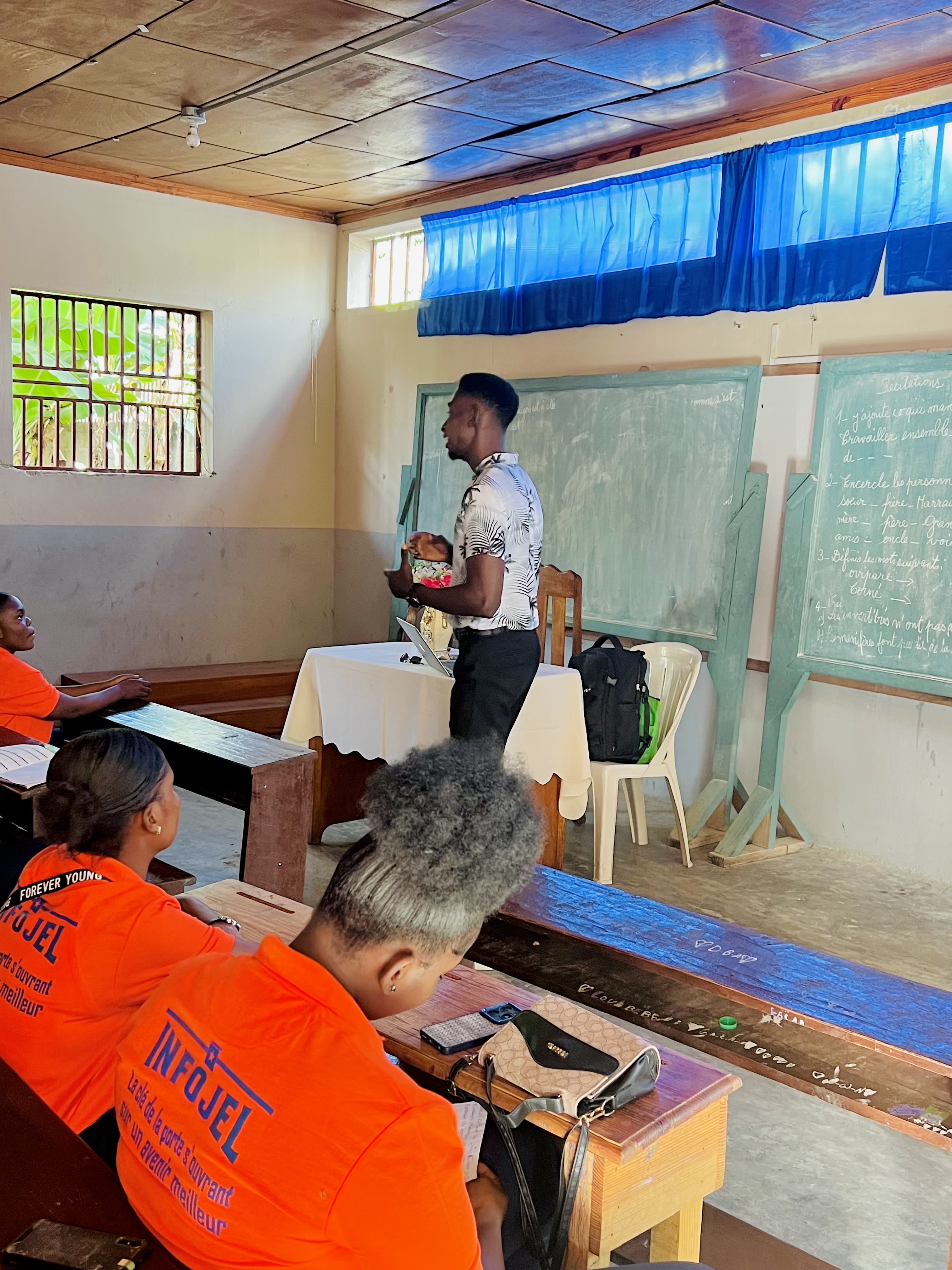
The training took place at INFOJEL facilities over a duration of one hour and fifteen minutes, during which facilitators wove a coherent and intellectually stimulating learning pathway. Content was carefully structured around fundamental pillars: scientific definition of health and mental health, innovative conceptual models such as Maslow's pyramid and the mental health dual continuum. Discussions also prioritized exploration of bidirectional relationships between psychosomatic and somatopsychic dimensions, allowing participants to grasp the deep interconnection uniting mind and body. Special attention was devoted to specific mental health determinants among education professionals, grounding theoretical learning in each participant's concrete reality.
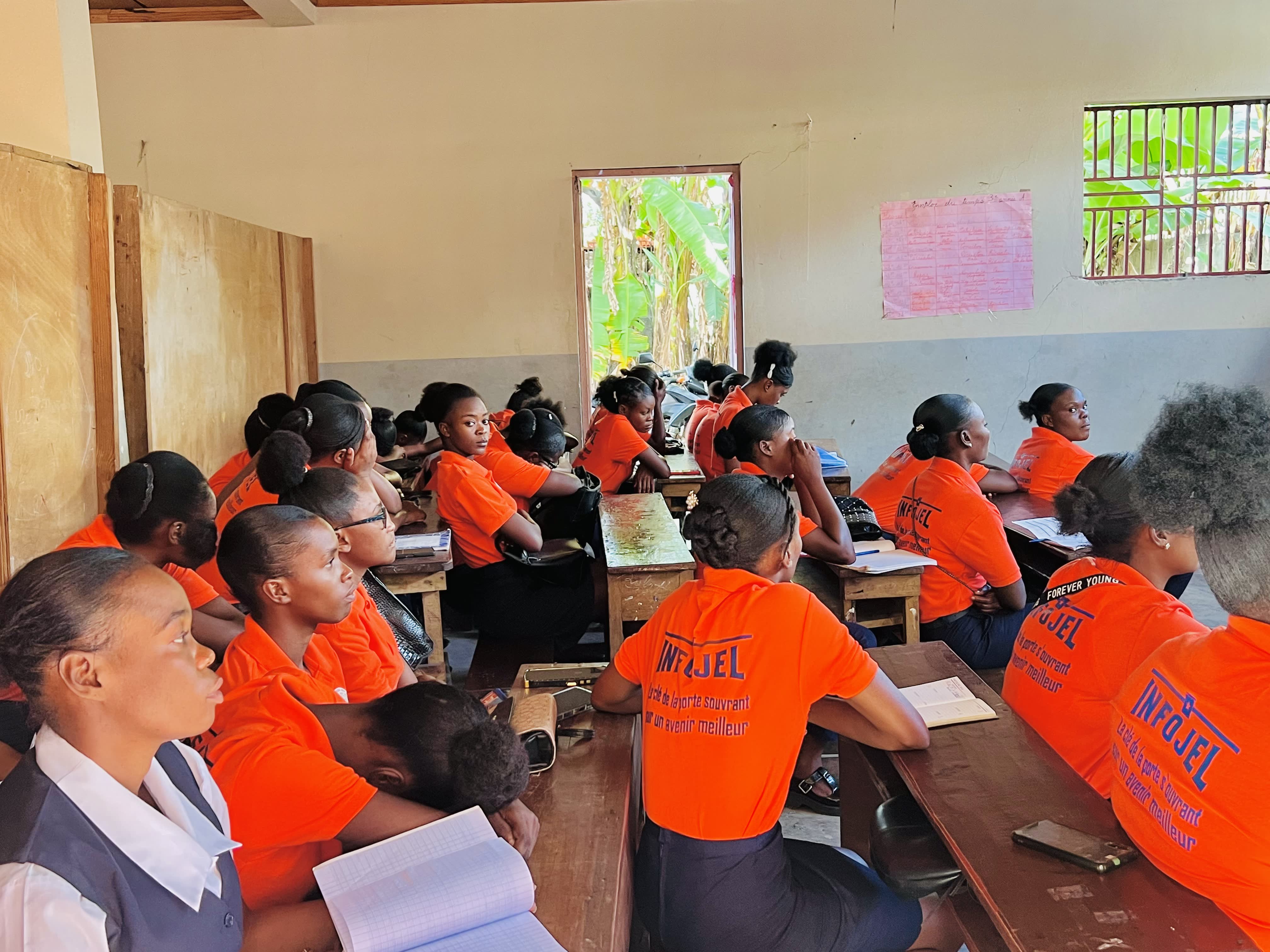
The active involvement of the 29 educators throughout the session transcended mere theoretical acquisition to transform into a genuine collaborative learning space. Each participant brought her own experience and unique professional context, enriching the debate with authentic testimonies and pertinent questions. The welcoming and constructive atmosphere established by facilitators fostered sincere sharing of daily challenges, professional concerns, and strategies already developed to manage stress. This horizontal dynamic reinforced in each participant a sense of belonging to a learning community unified by a shared concern: psychological well-being, both personal and collective.
By strengthening educators' knowledge, we indirectly invest in the well-being of an entire generation, transforming each school into a space of resilience and solidarity.
This training held fundamental importance for several structural reasons. First, it responds to an urgent need for scientific awareness in a context where mental health knowledge remains fragmented, obscured by persistent prejudices and limiting social representations. By specifically targeting education professionals, the initiative addresses key actors who daily influence the mental health of thousands of Haitian youth. The expected benefits are multiple and progressive: better recognition of determinants of one's own mental health enables educators to manage professional stress more effectively, improve their personal quality of life and, consequently, offer better emotional and pedagogical support to their learners. This chain of impact represents a strategic investment in prevention and promotion of collective mental health.
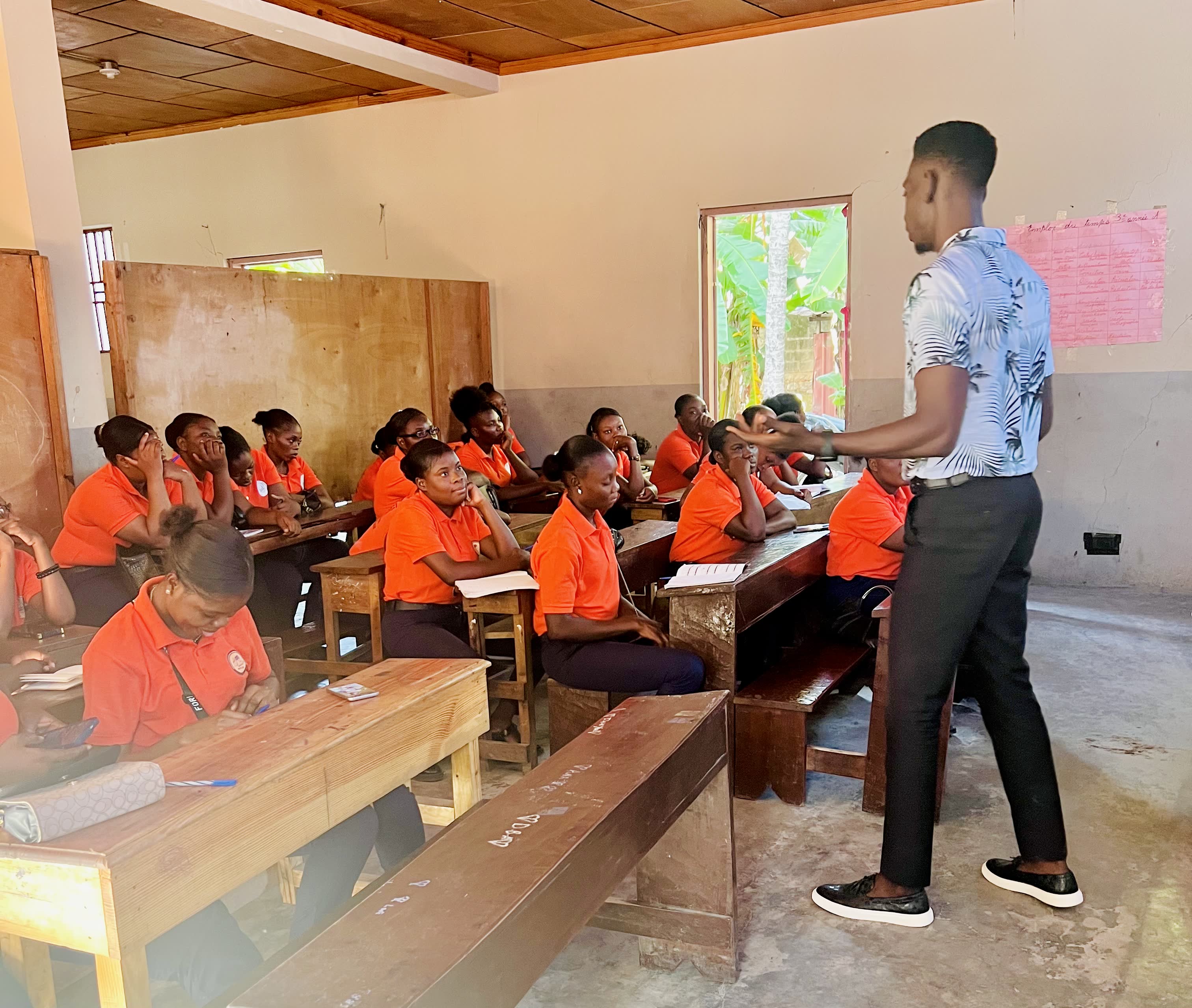
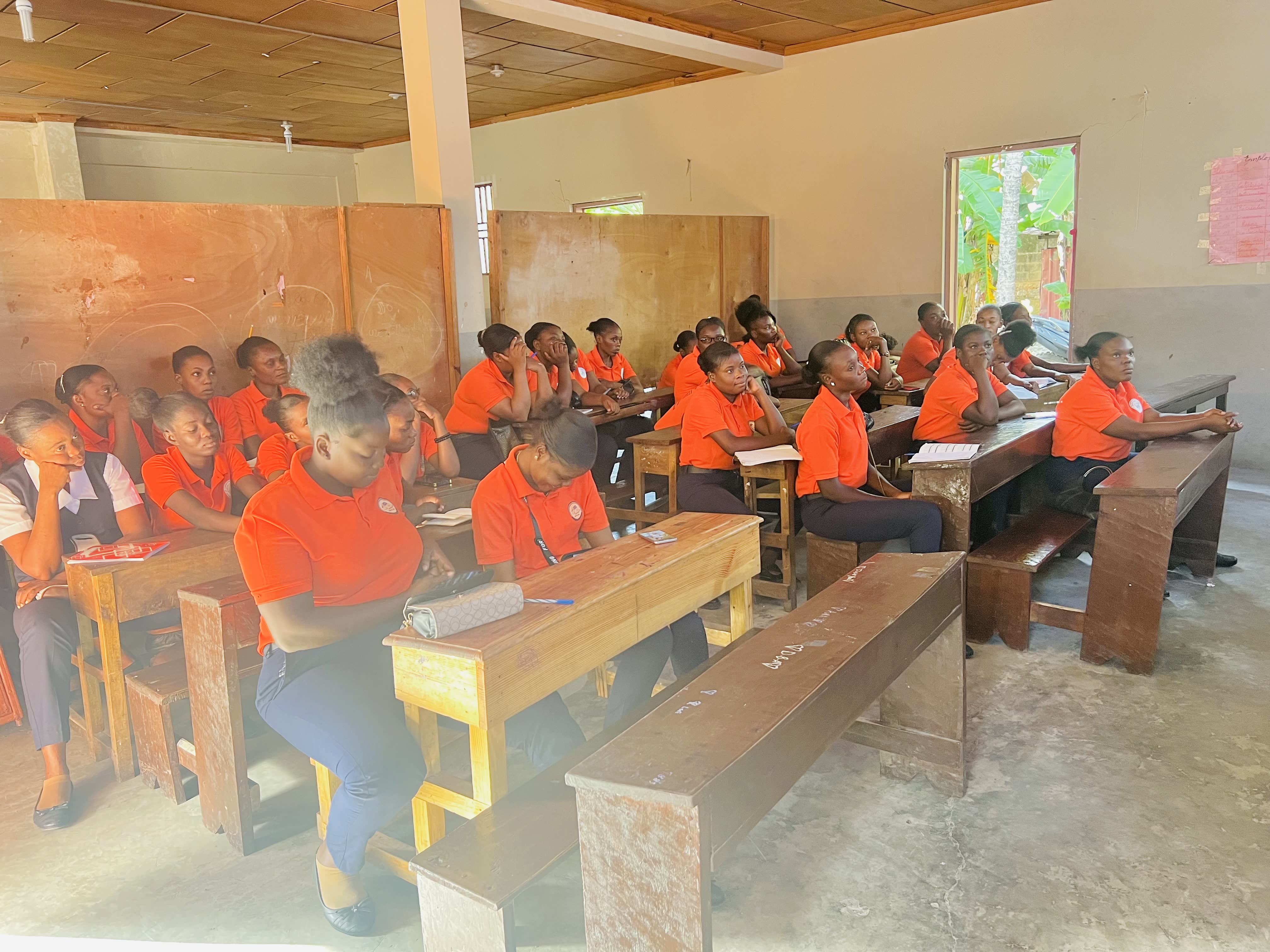
This initiative naturally aligns with the founding mission of Clinique d'Urgence Accès-Santé, an organization dedicated to continuous improvement of access to integrated, quality health services for the Limbé community. By placing mental health at the heart of its interventions, Accès-Santé recognizes that true health cannot be fragmented: it encompasses physical, psychological, social and spiritual dimensions. Investing in educator training strengthens the capacities of a community network capable of early detection of distress signs, promotion of protective factors and building more compassionate school environments. Each trained educator becomes a well-being ambassador, carrying a message of prevention and solidarity to peers and learners.
The immediate results of this training are already encouraging and full of lasting promise. The 29 educators leave this session armed with solid new scientific knowledge and enriched understanding of mental health issues in their concrete professional realities. Beyond this intellectual acquisition, they now shoulder an amplified responsibility: to become vectors of change within their respective schools and communities. The natural next steps in the support process include rigorous follow-up of these actors, identification of specific needs for deepening and potential organization of complementary trainings or practical workshops. Accès-Santé solemnly reaffirms its commitment to accompany educators in this transformative trajectory, convinced that every step toward better mental health understanding represents significant progress toward a healthier, more resilient and fundamentally more solidary community.