Haiti faces a largely invisible public health challenge: a mental health crisis silently affecting young generations. Without structured educational frameworks, adolescents and young adults are left to navigate complex emotional challenges alone, fostering depression, chronic anxiety, self-stigmatization, and self-destructive behaviors. This creates a significant gap: while psychosocial risks multiply in young people's environments, the resources and knowledge to counter them remain largely inaccessible. To address this silent emergency, Accès-Santé designed a targeted and deliberate primary prevention intervention.
Youth Mental Health in Haiti: Accès-Santé Launches Structured Intervention in Limbé

Haiti is facing a silent mental health crisis disproportionately affecting young people. In the absence of systematic education in this field, adolescents and young adults remain vulnerable to unidentified emotional disorders and their serious consequences on their life trajectories.
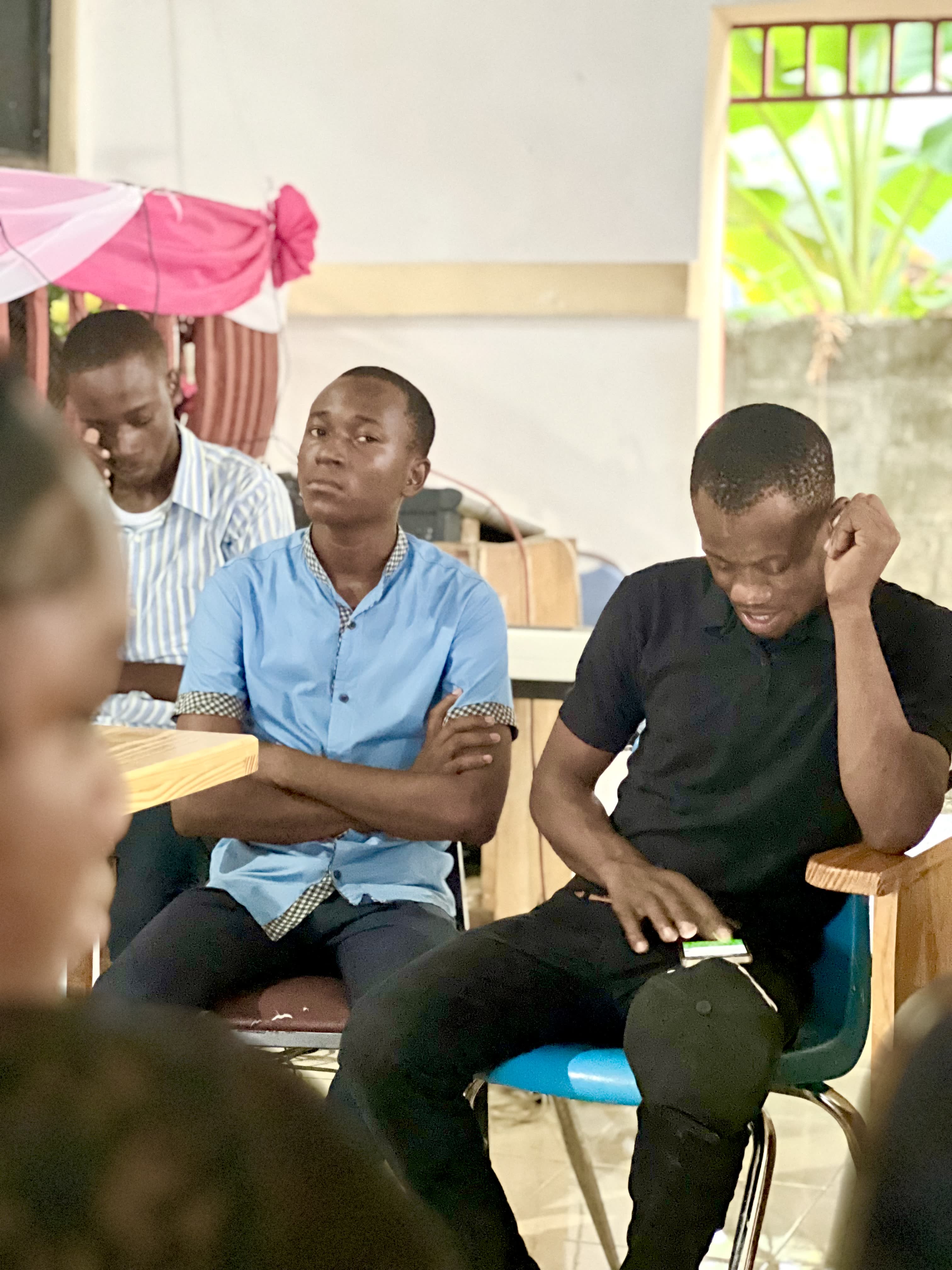
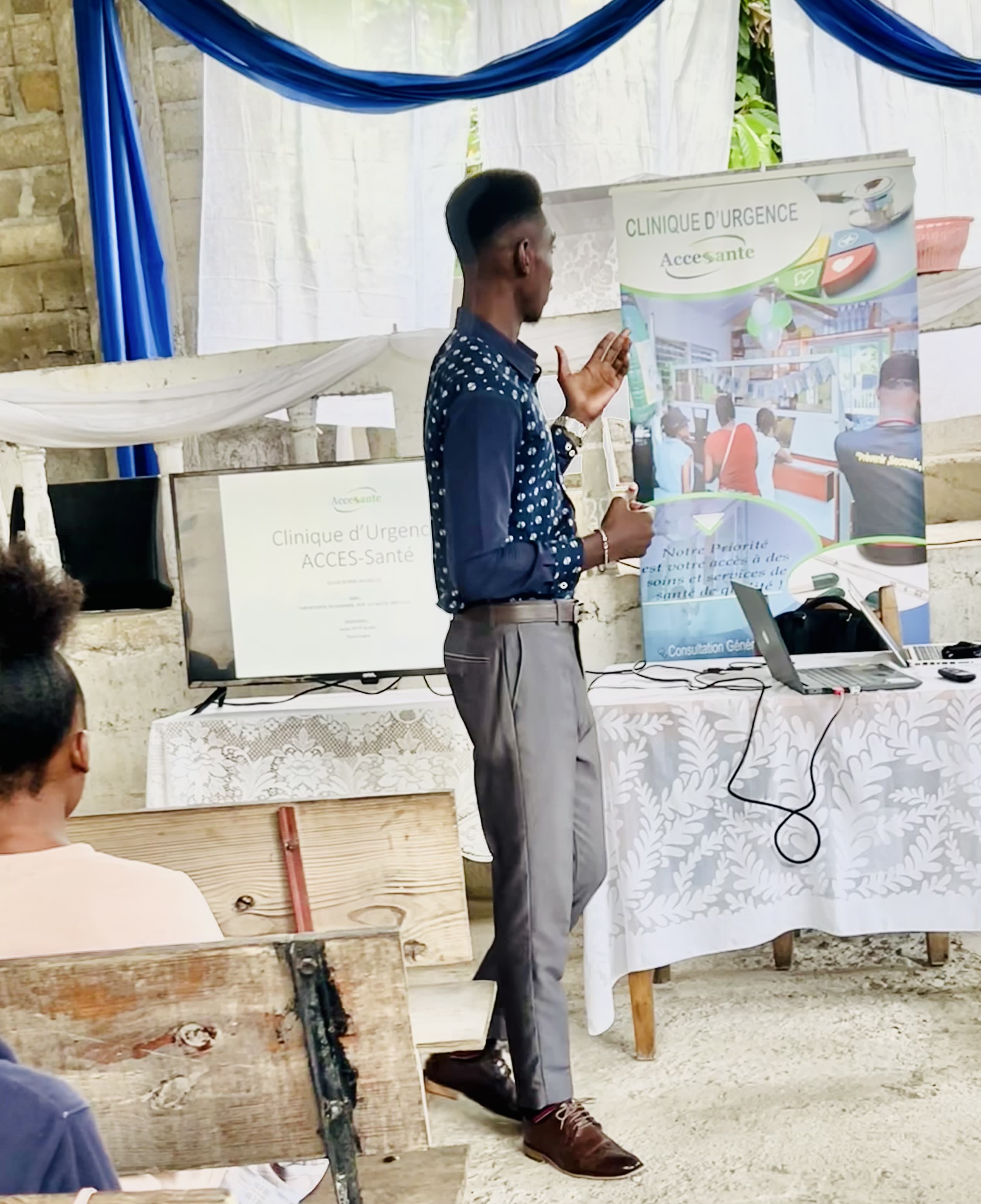
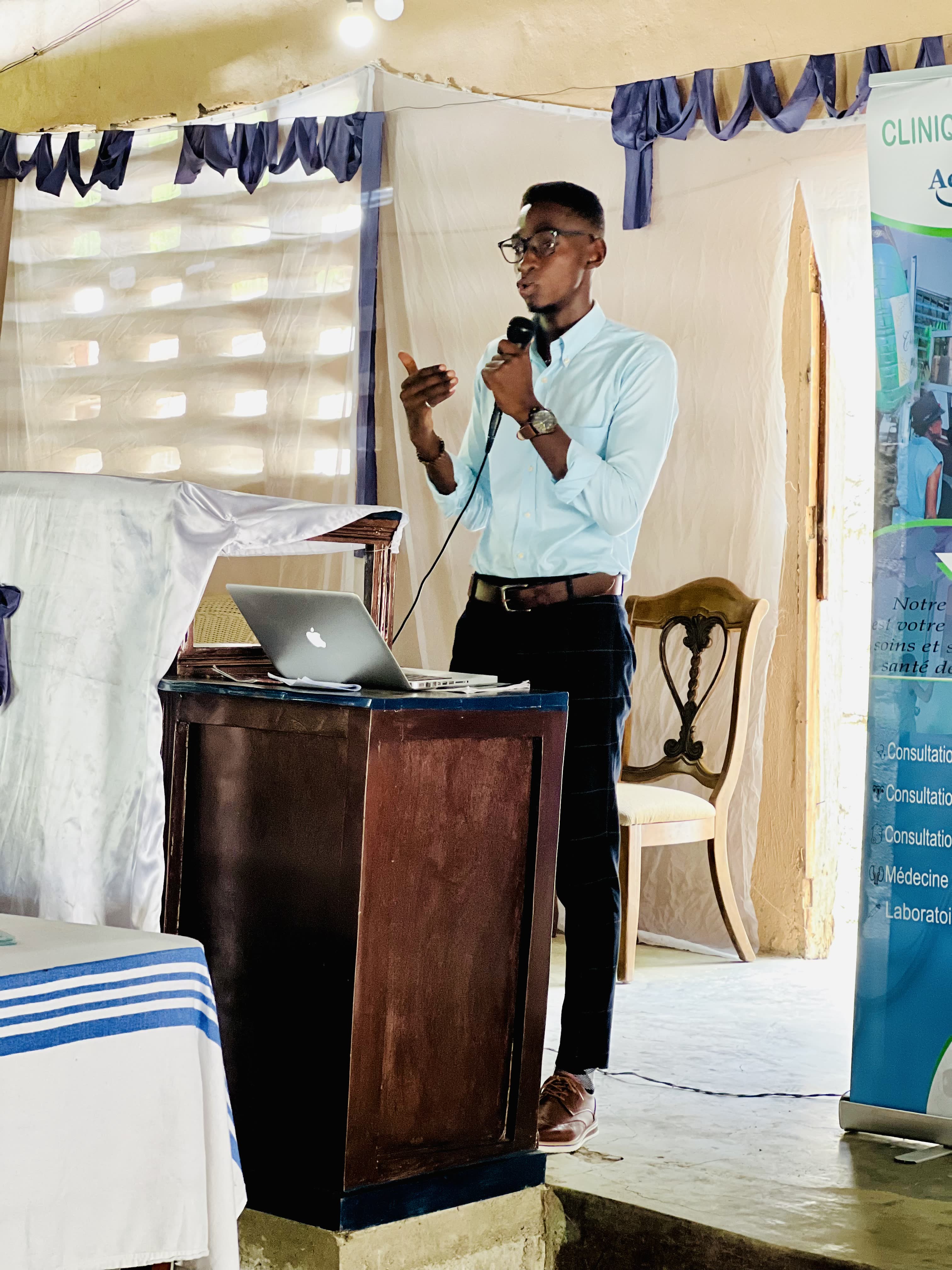
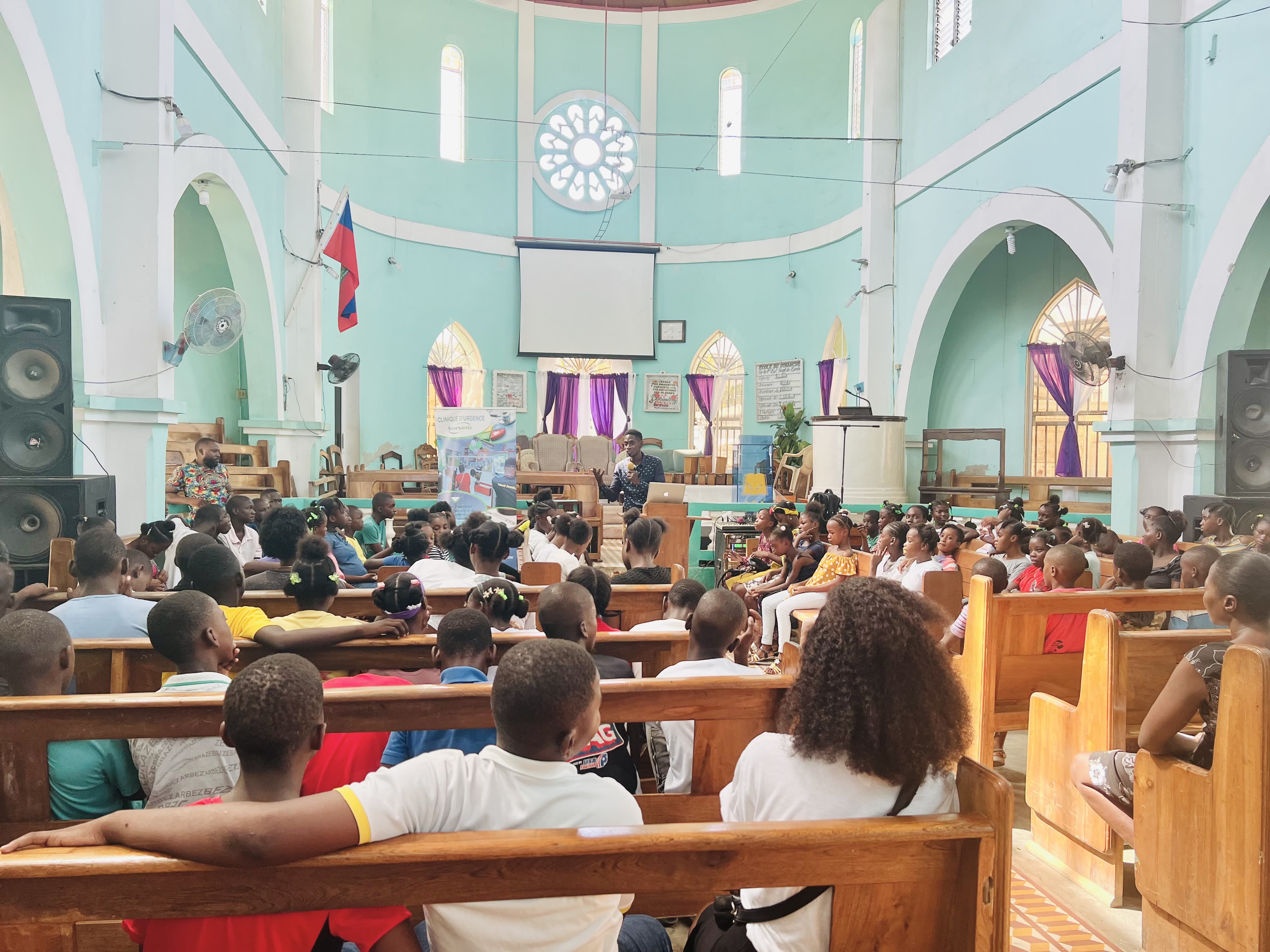
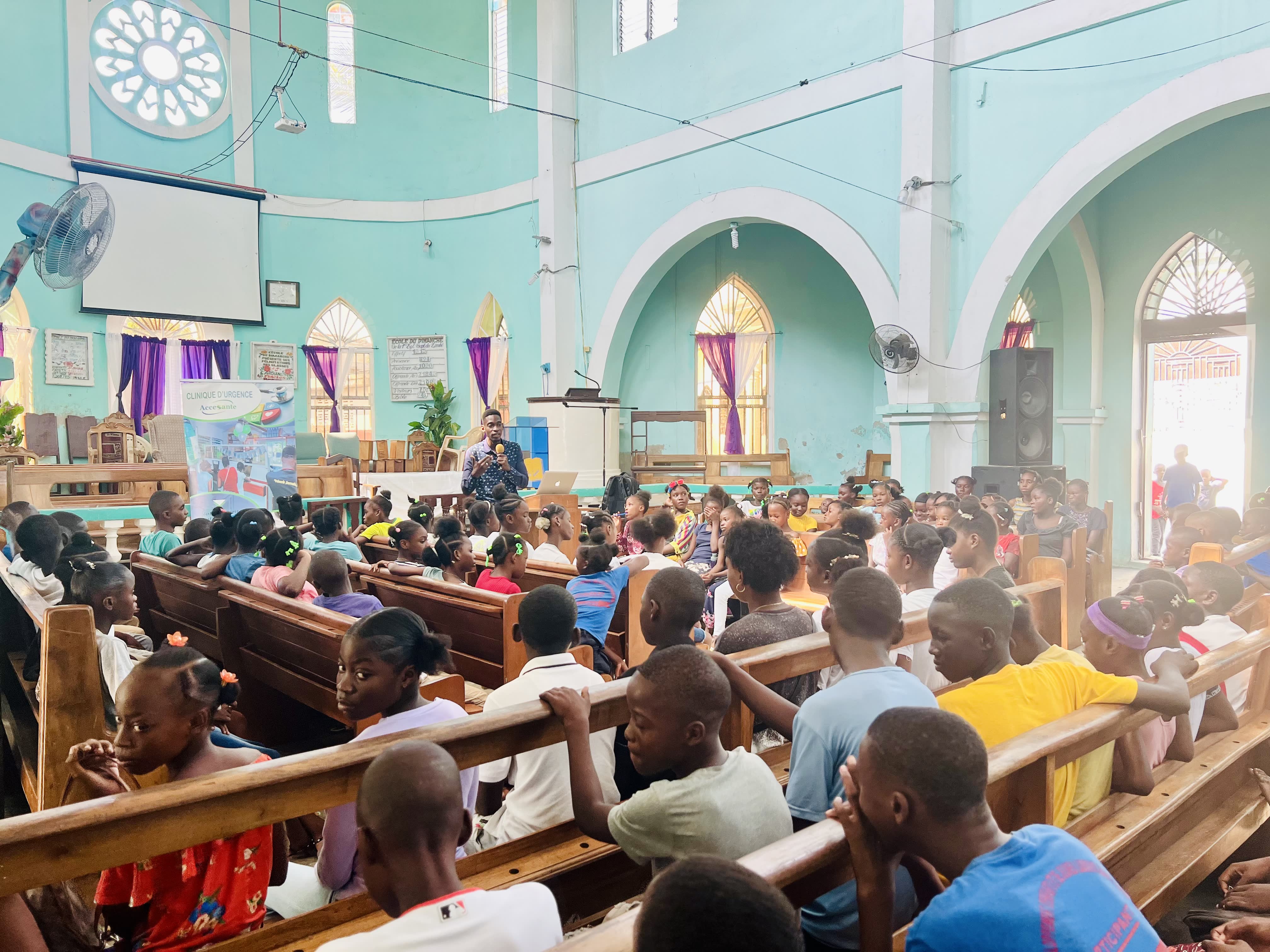
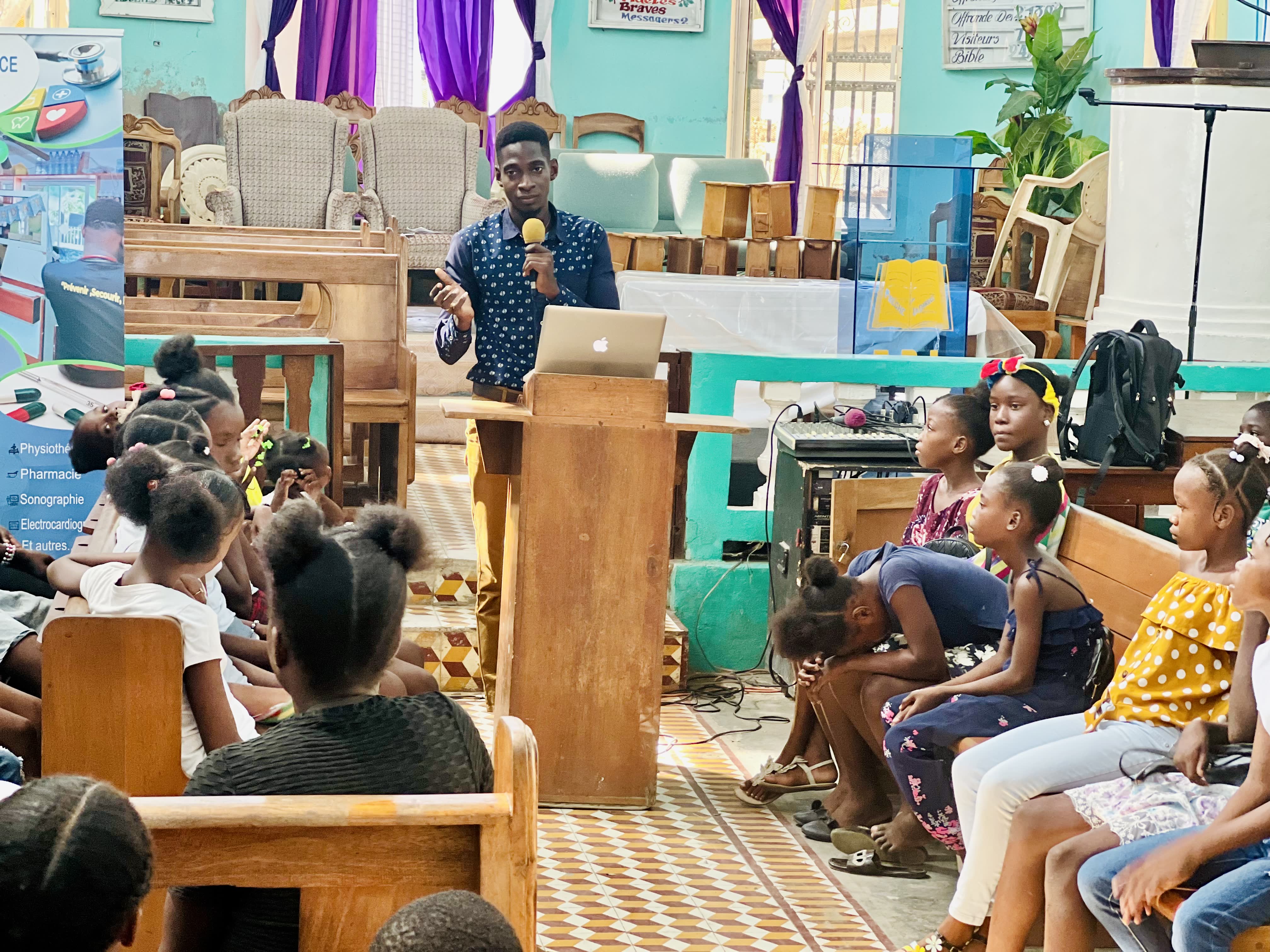
On October 12, 2024, Accès-Santé Emergency Clinic mobilized 94 young people from the Ludovic St Phard Youth Development Center in Limbé around a structured primary prevention intervention focused on self-esteem and mental health.
This approach goes beyond simple information sharing: it aims to equip young generations with concrete tools to navigate daily emotional challenges and to catalyze a cultural shift favorable to psychological well-being in the community.
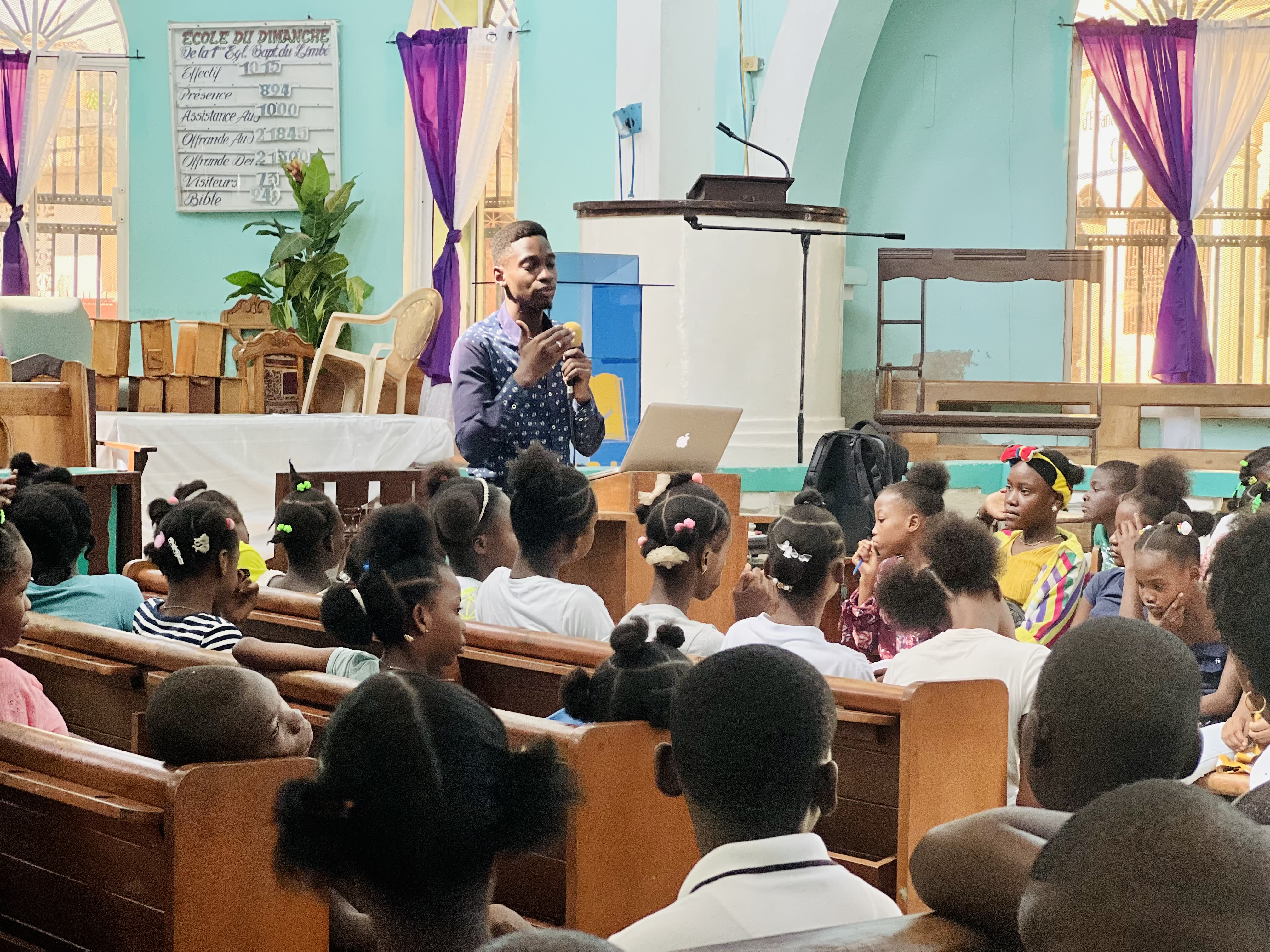
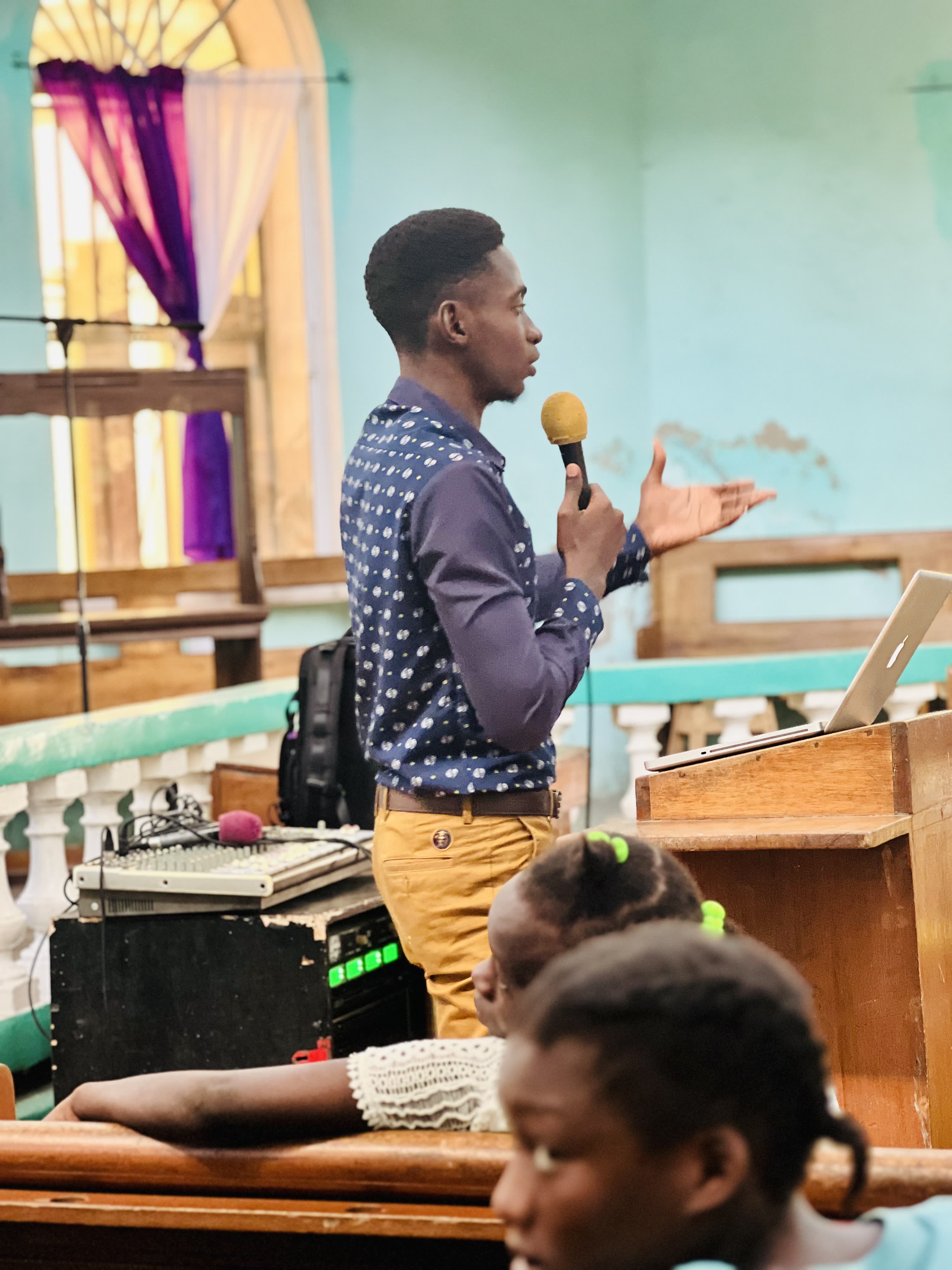
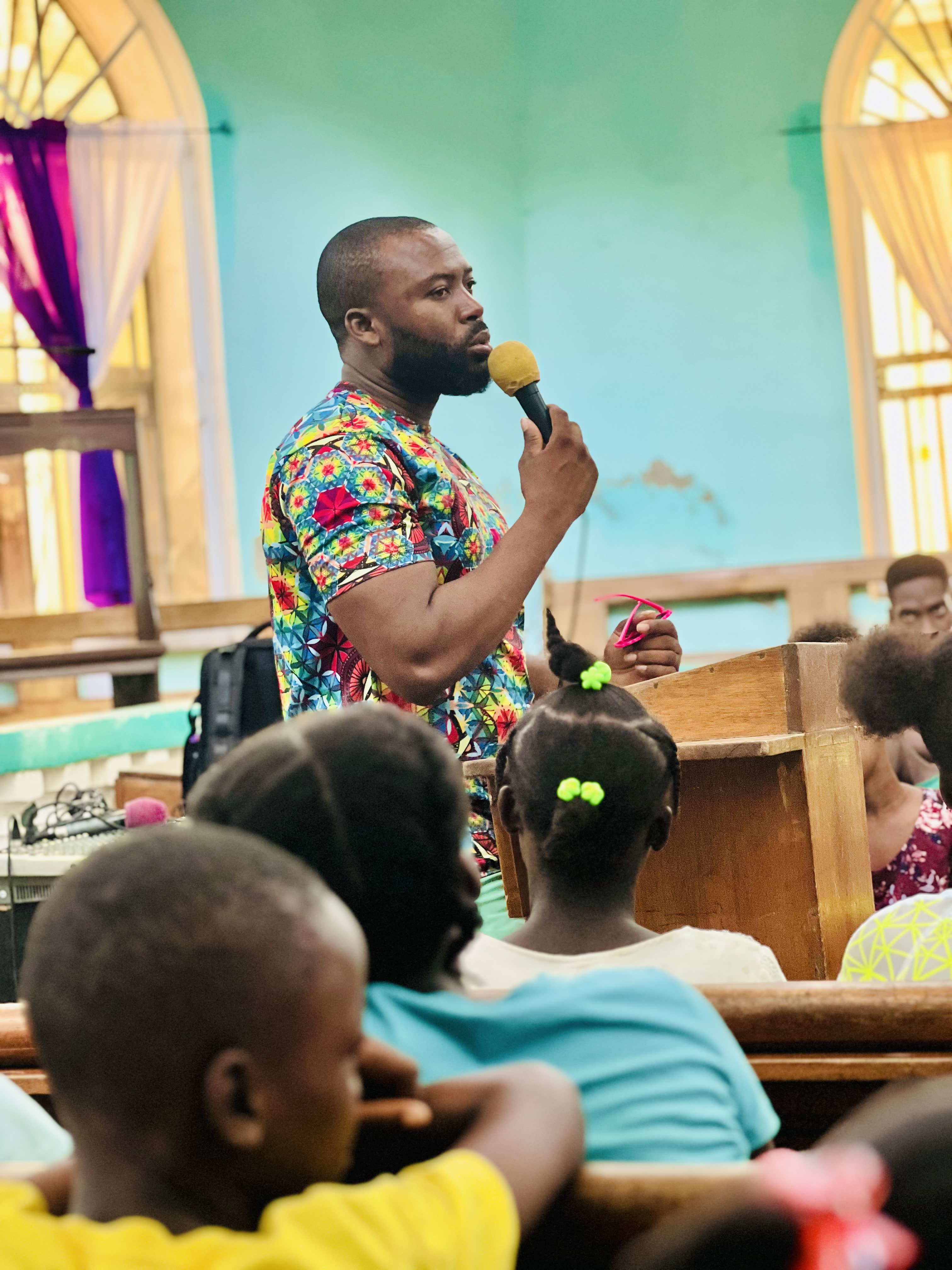
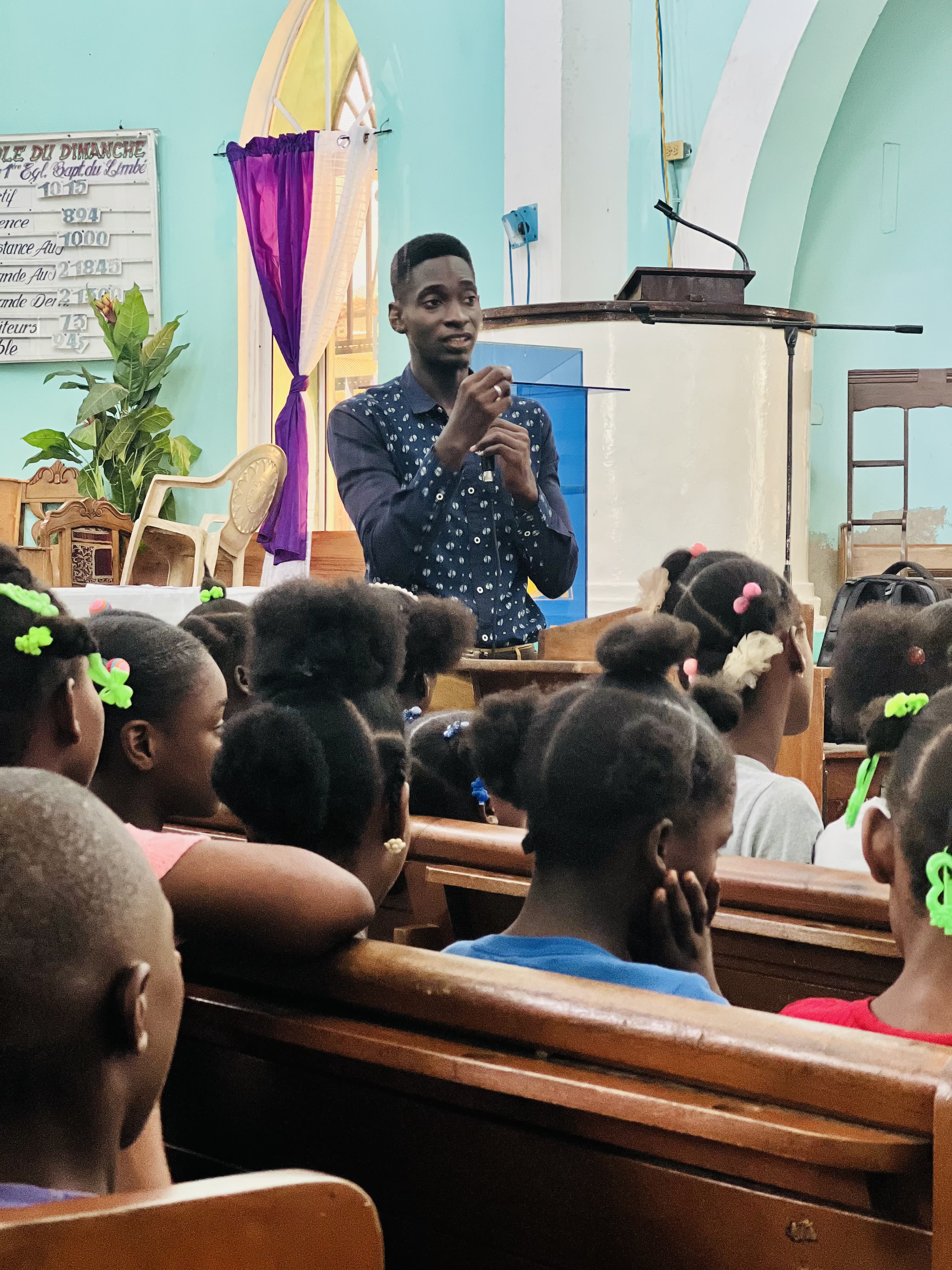
On October 12, 2024, at the Ludovic St Phard Youth Development Center in Limbé, Accès-Santé invited 94 young people to an intensive training session centered on self-esteem as the foundation of robust mental health. Far from being a simple information workshop, this intervention constituted a complete pedagogical approach aimed at strengthening the psychological foundations of participants. The clinical team addressed essential themes: self-understanding, identification of intrinsic strengths, recognition of psychosocial risk factors, and adoption of concrete strategies to cultivate a positive and reality-grounded personal image. Exchanges between facilitators and participants made it possible to contextualize these learnings to the specific realities of young Haitians' daily lives.
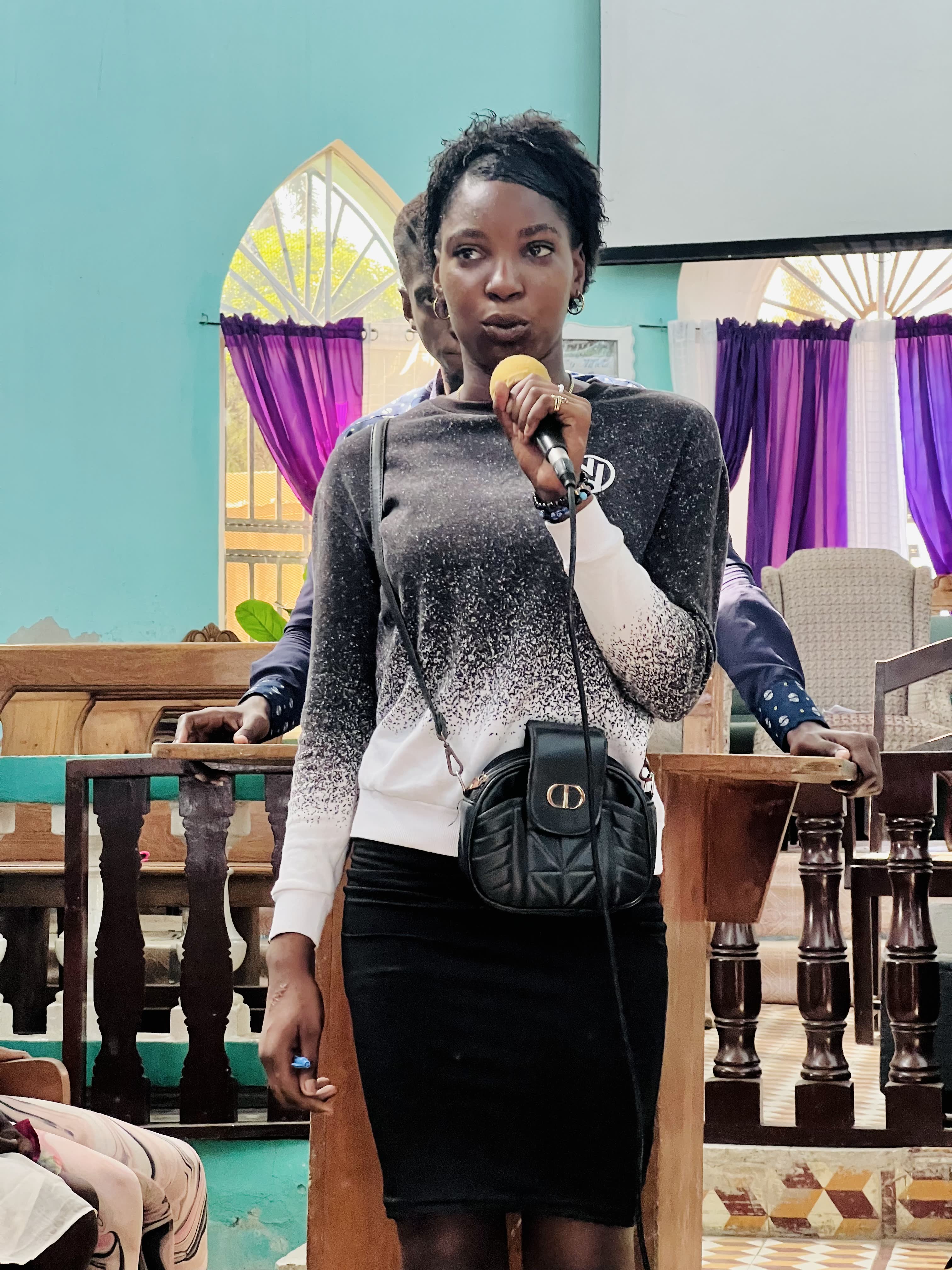
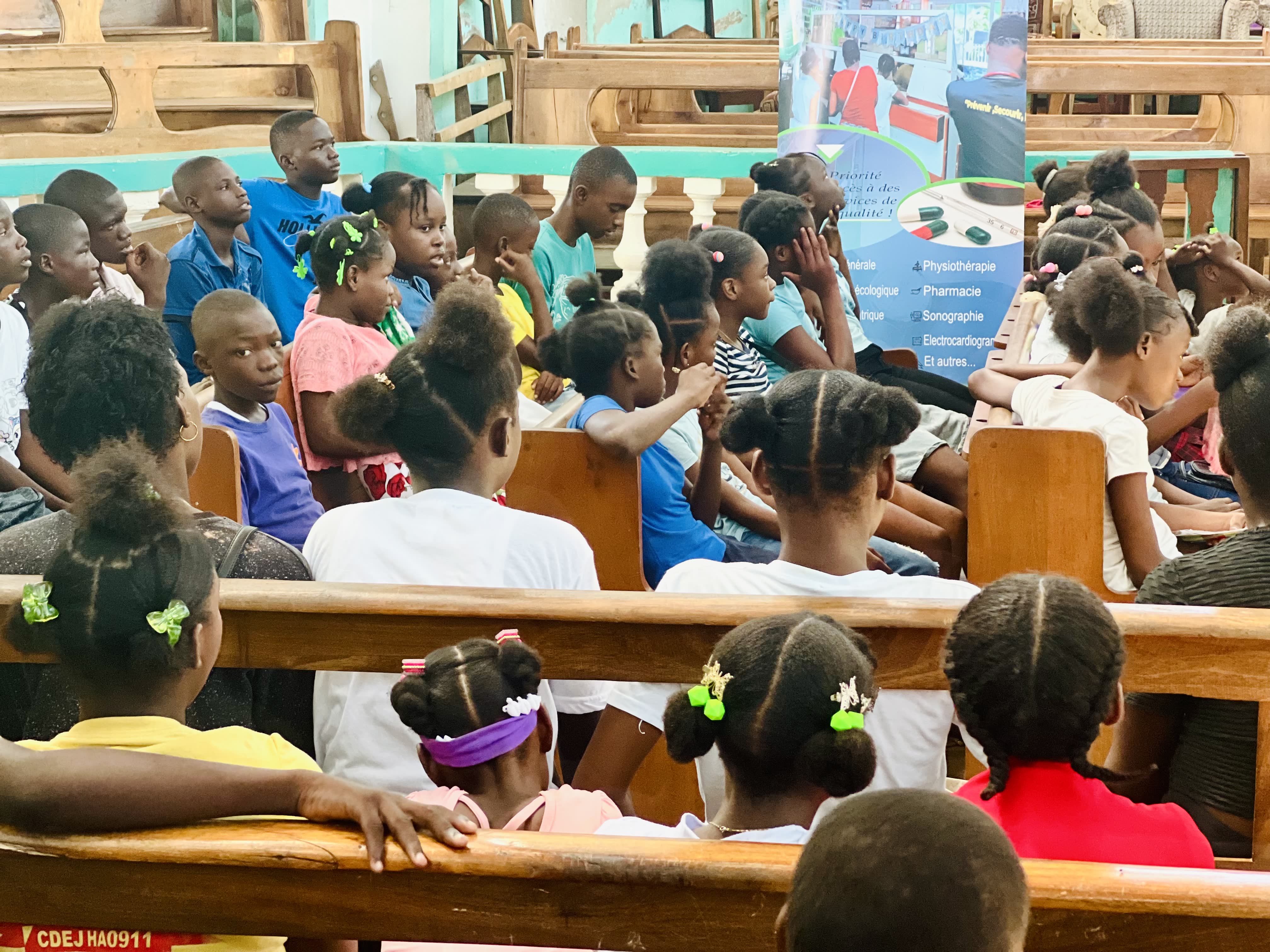
The remarkable commitment of the 94 participants transformed this session into a genuine space for collective learning. Young people listened attentively, asked pertinent questions, and shared personal experiences with an openness and trust that testify to the relevance of the intervention. The atmosphere was filled with hope and curiosity: each person recognized the crucial importance of this knowledge for navigating psychoemotional challenges. This active involvement goes beyond the passive role of mere listener; participants became truly engaged learners, conscious of receiving transformative knowledge. This positive dynamic confirms that Haitian youth aspire to a better understanding of their mental health when the conditions for access are created for them.
Young people, having become ambassadors of these mental health messages to their peers, families and communities, gradually contribute to a cultural shift favorable to psychological well-being in Haiti.
This intervention addresses an urgent and long-neglected structural need in Haiti. The absence of systematic mental health education creates a devastating void: young people often lack a language to name what they feel, no frame of reference to interpret their emotions, and even less strategies to manage them constructively. By placing self-esteem at the heart of training, Accès-Santé addresses precisely the foundation upon which emotional resilience rests. The expected benefits are profound and multidimensional: direct improvement in participants' self-esteem, strengthening of their capacity to face adversity, significant improvement in their interpersonal relationships through better self-knowledge, and development of critical consciousness regarding psychosocial risk factors. These gains are not limited to isolated individual achievements; they are part of a collective dynamic where each participant becomes an agent of change within their family and immediate social environment.

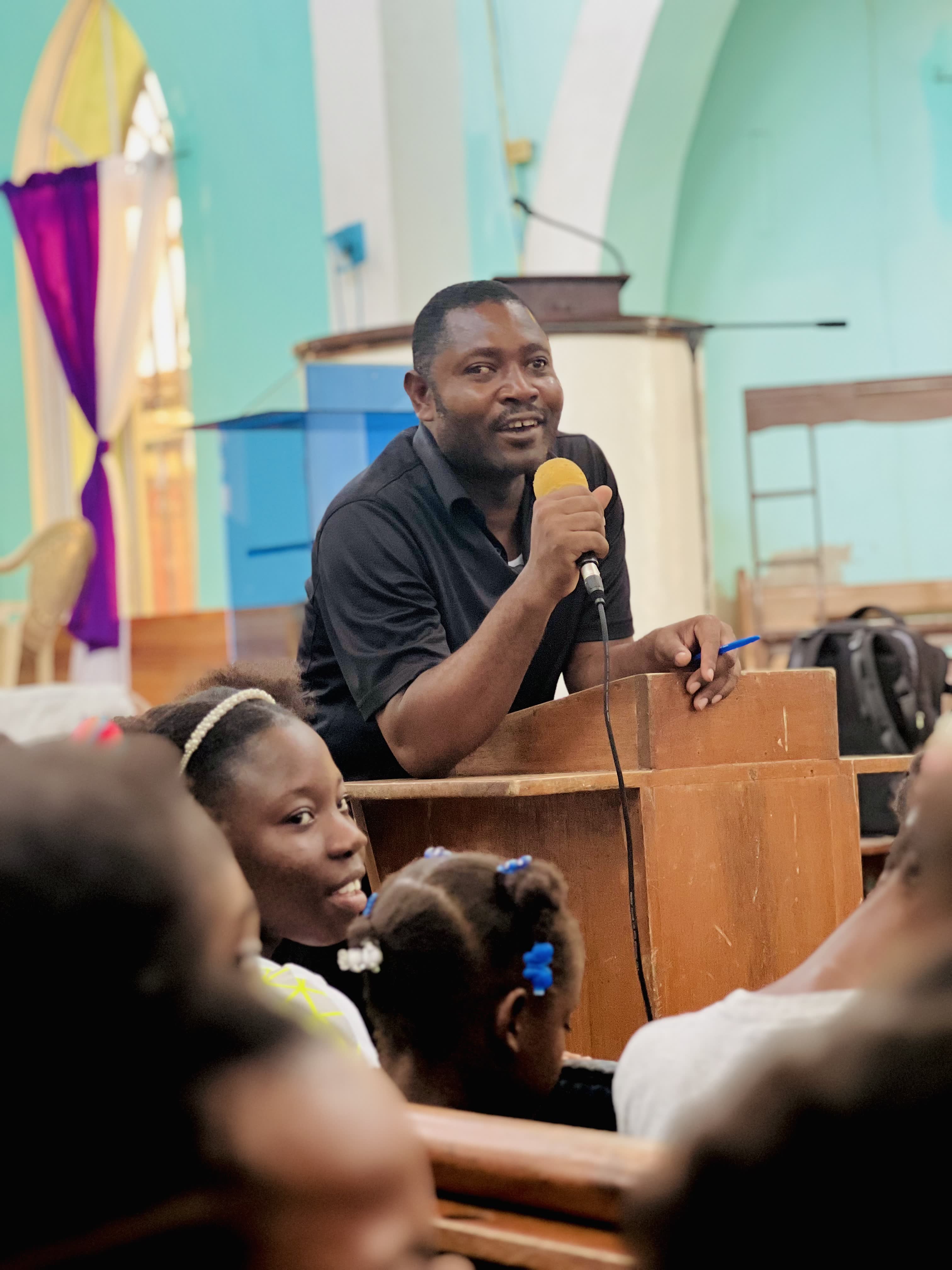
This initiative embodies precisely the institutional mission of Accès-Santé Emergency Clinic: contributing to comprehensive health promotion, active disease prevention, and strengthening the community social fabric. By conducting this training within the Ludovic St Phard Youth Development Center rather than within clinic walls, Accès-Santé demonstrates its willingness to deploy in the community's real living spaces and co-construct solutions adapted to contextual needs. This mobile and decentralized approach is a distinctive element of the organization and reflects a deep understanding that health is built first in the community, not in clinics. The fact that the Center's director requested a second intervention, beyond the offer initially intended for parents, testifies to the immediate recognition of Accès-Santé's added value and the contextualized relevance of its approaches. This emerging collaboration consolidates sustainable local partnerships and validates Accès-Santé's legitimacy with community actors.
The ninety-four participants leave the Center equipped with consolidated knowledge and reinforced psychological resources, now better able to manage their emotions and cultivate a more positive personal image. Beyond these significant individual benefits, it is truly a collective dynamic that is set in motion: young people, having become ambassadors of these mental health messages to their peers, families and wider communities, progressively contribute to a cultural shift favorable to mental health in the Limbé region and beyond. Short-term prospects include direct follow-up of participants to assess the lasting impact of training on their life trajectories, as well as exploration of new modalities to extend this educational and preventive action to other vulnerable youth groups. Accès-Santé remains fully mobilized to build, stone by stone, an inclusive, resilient and sustainable culture of mental health in Haiti, thereby transforming the socio-sanitary reality of present and future generations.