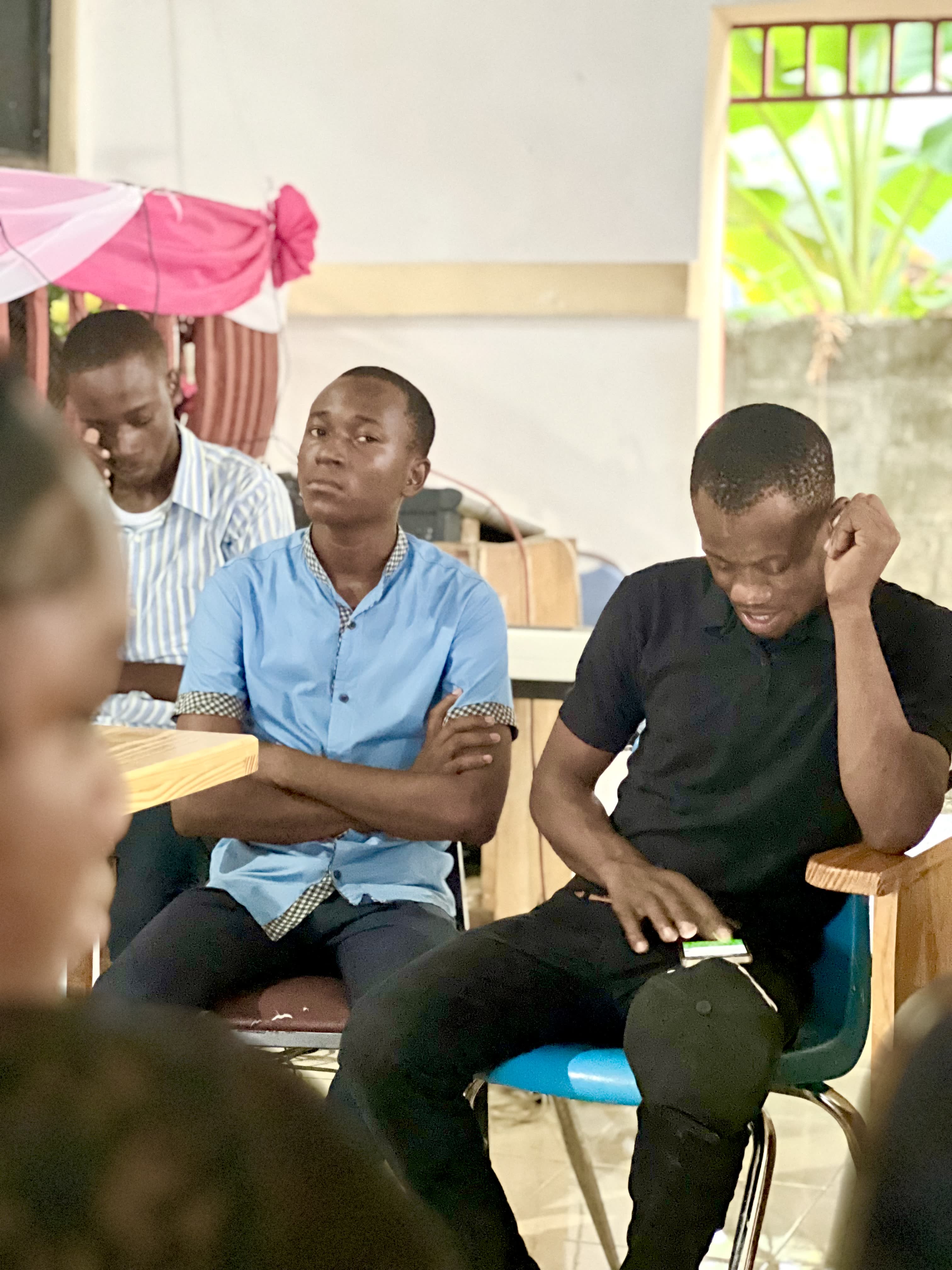
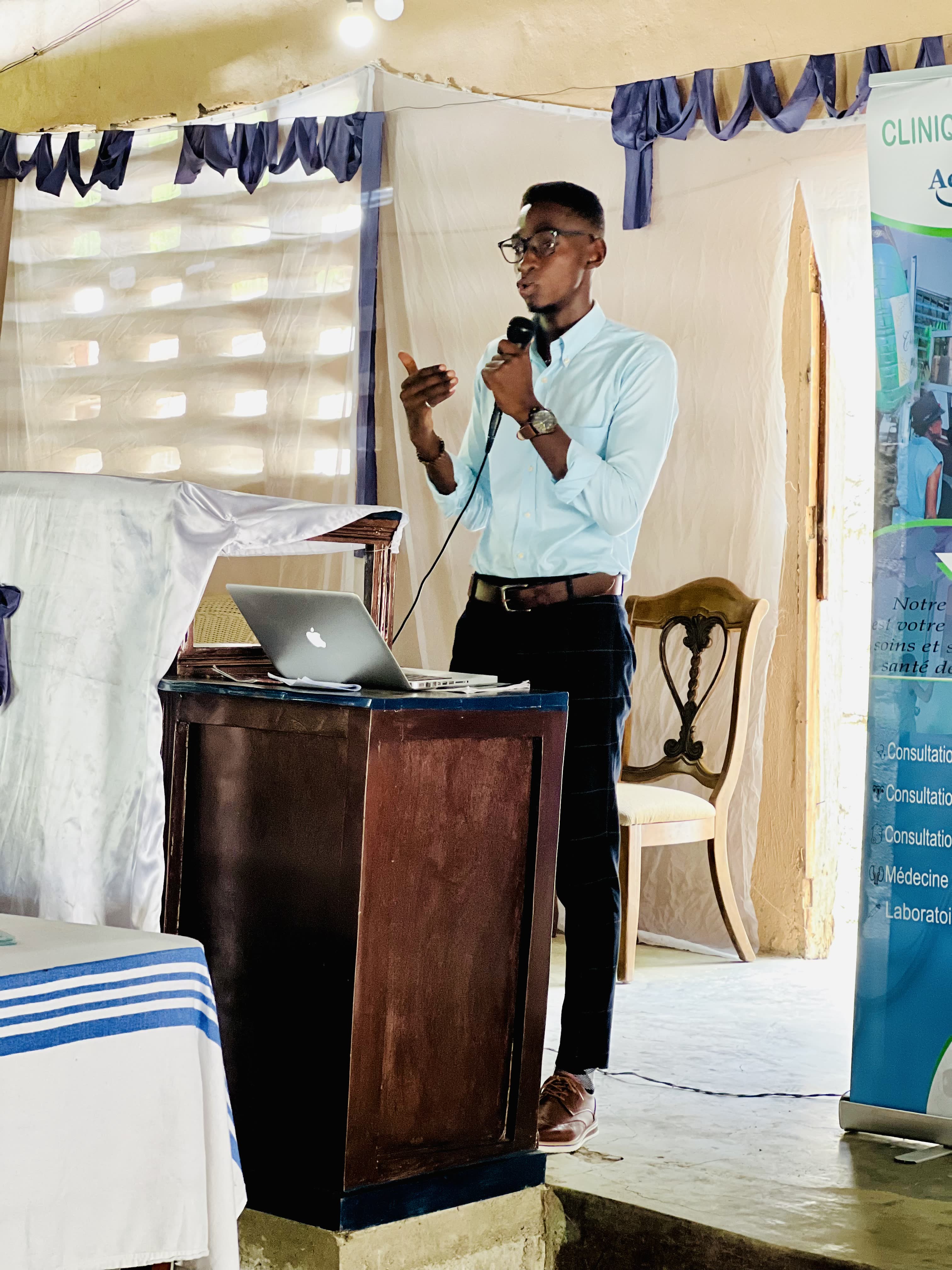
In Haiti, where social tensions and security instability disrupt daily family life, restorative rest remains beyond reach for thousands of citizens. Confronted with constant environmental stressors and destabilizing insecurity, populations in Limbé and beyond seek to better understand how to protect their mental and physical health. In response to this troubling reality, the Accès-Santé Emergency Clinic decided to place sleep at the heart of its public health agenda, recognizing that this fundamental need plays a major protective role too often invisible in Haitian institutional discourse.
Sleep as a Key to Resilience: Accès-Santé Raises Awareness in Limbé

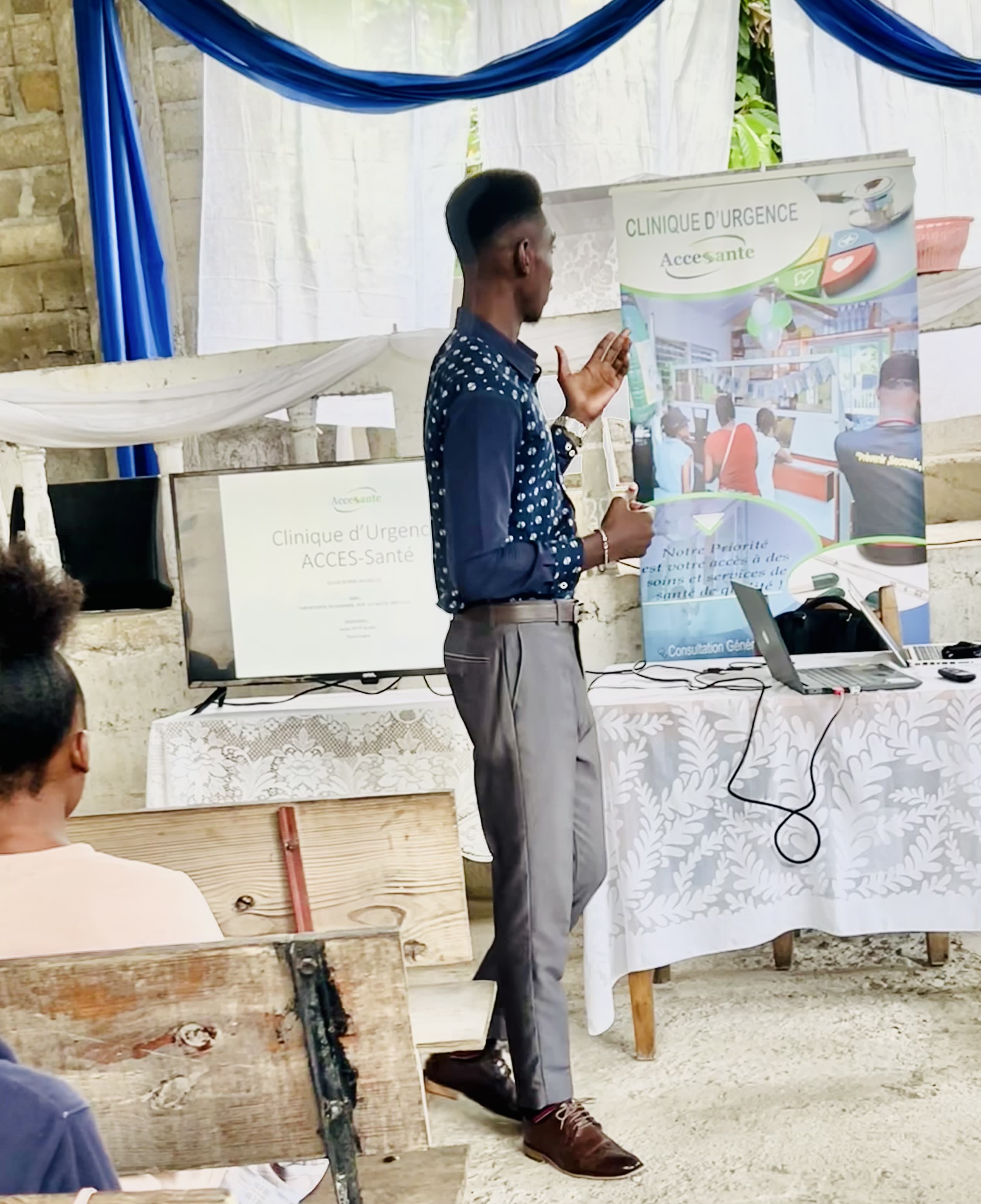
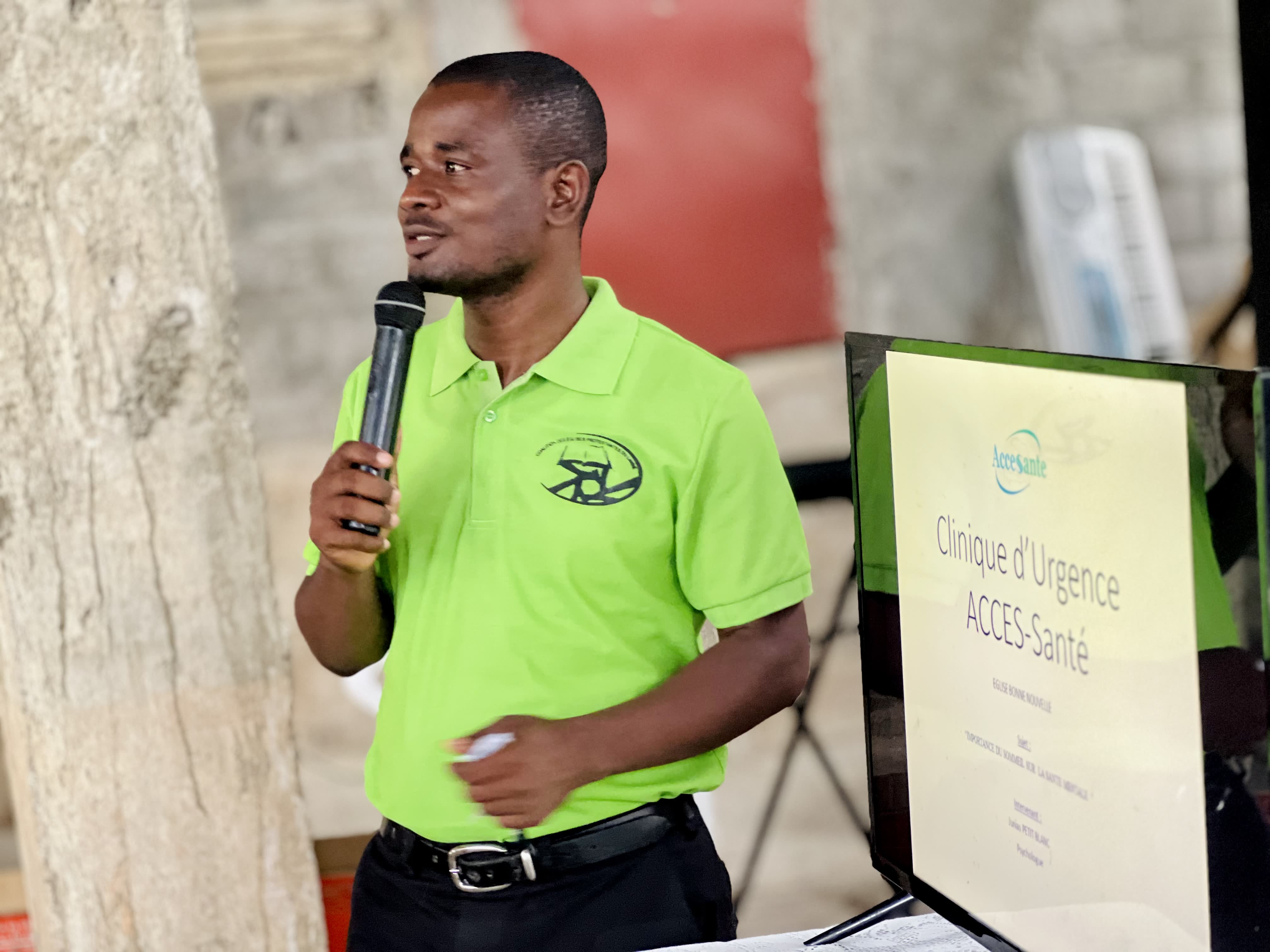
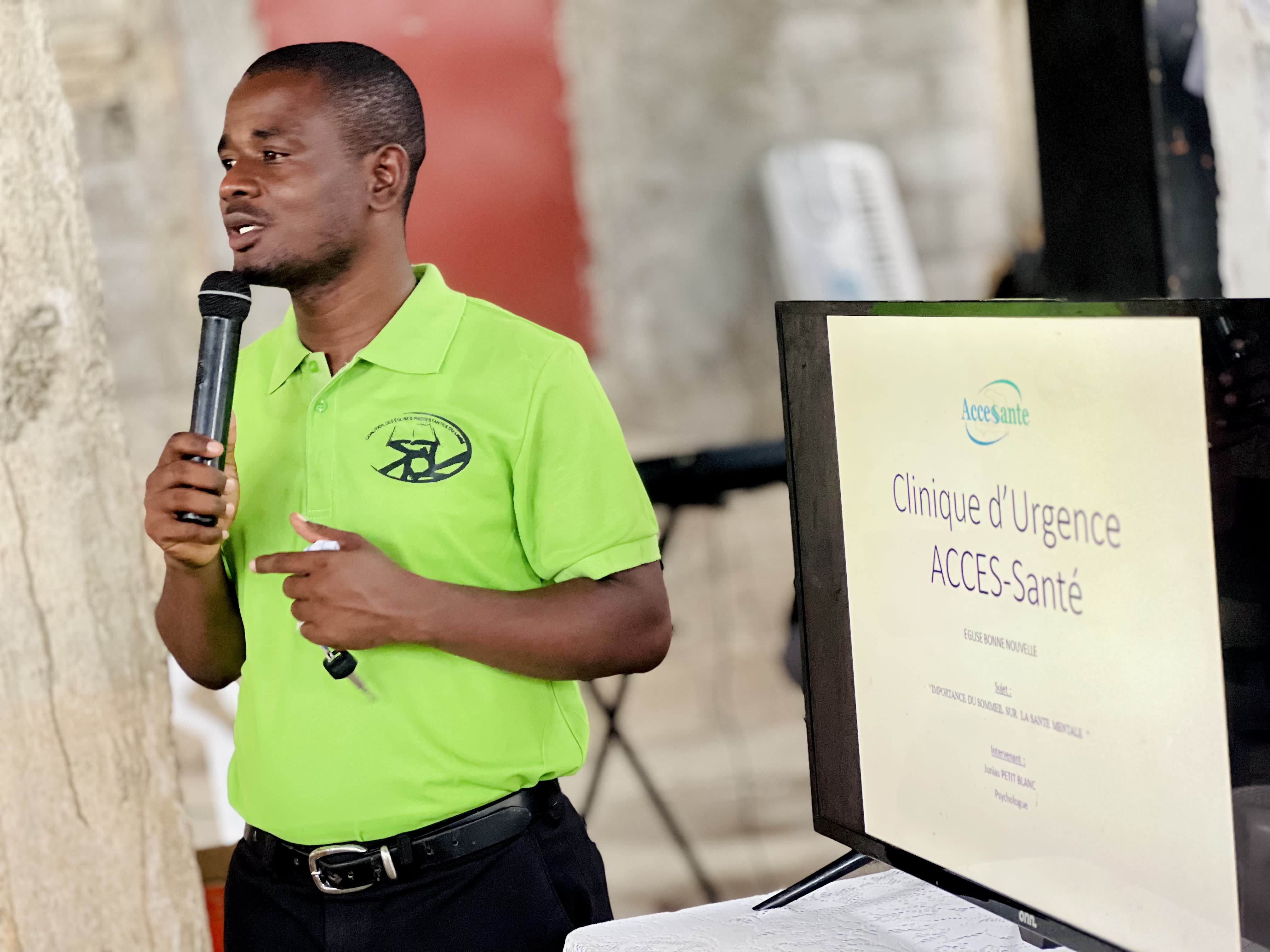
Facing constant security and environmental challenges in Haiti, the Accès-Santé Emergency Clinic organized on August 18, 2024 a pioneering training session dedicated to sleep and mental health in Limbé.
This initiative brought together members of the Limbé community eager to understand the biological mechanisms of rest and acquire concrete strategies adapted to their daily realities.
The objective: to transform sleep from an inaccessible luxury into a recognized fundamental need managed by each individual, thereby strengthening collective resilience in the face of shocks.
On Sunday, August 18, 2024, this institutional mobilization was realized through a major training session held at the Église de la Bonne Nouvelle in Limbé. This choice of venue symbolized the deep anchoring of the preventive approach at the heart of the community fabric, associating the health initiative with a space of trust and collective gathering. For several hours, Accès-Santé trainers guided participants through a rigorous exploration of essential themes: the fundamental biological mechanisms of restorative sleep, the disruptive factors specific to the Haitian context (insecurity, urban noise, economic concerns), and especially the concrete and progressive strategies for improving sleep directly applicable to the daily realities of Limbé families.
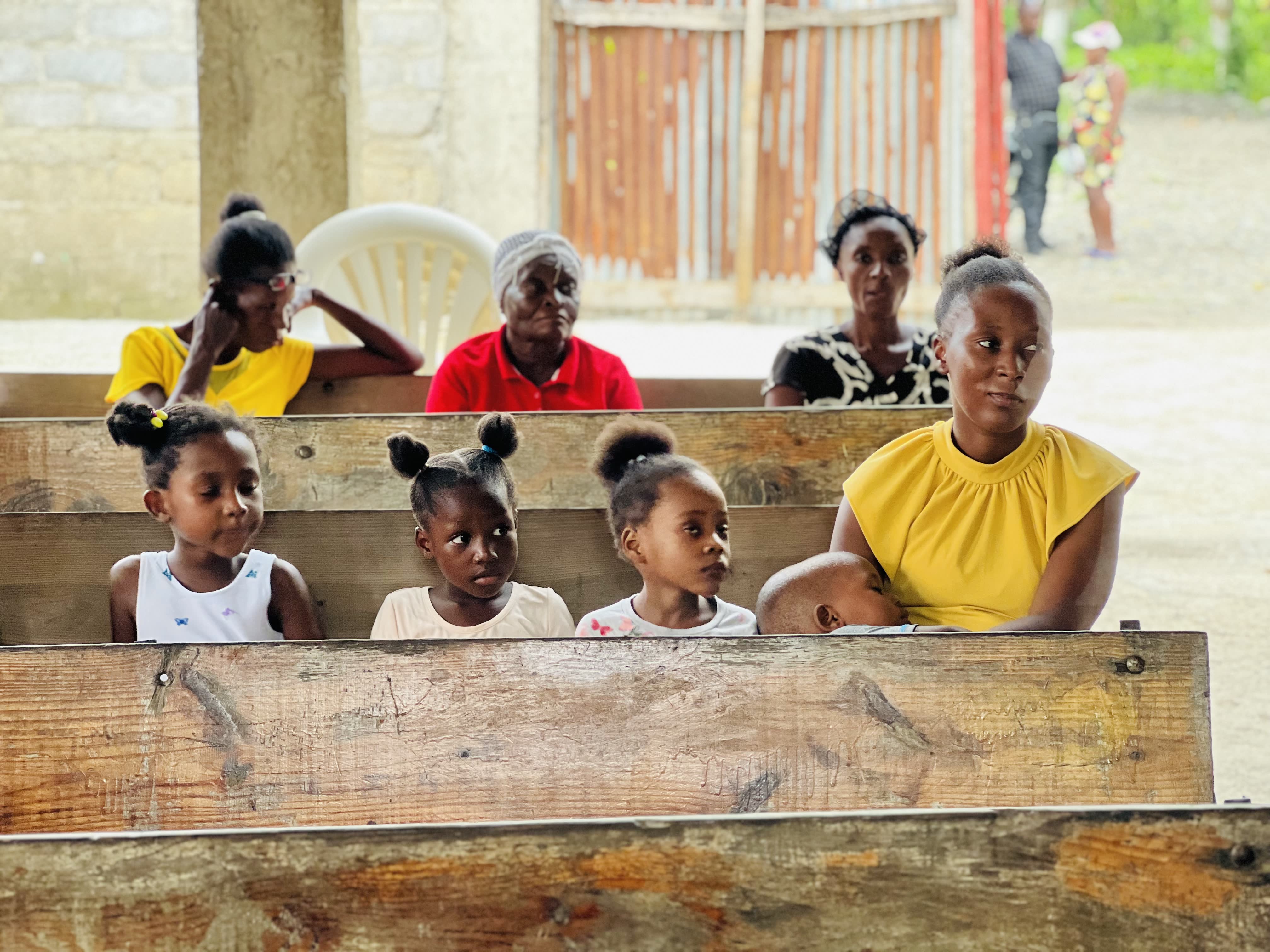
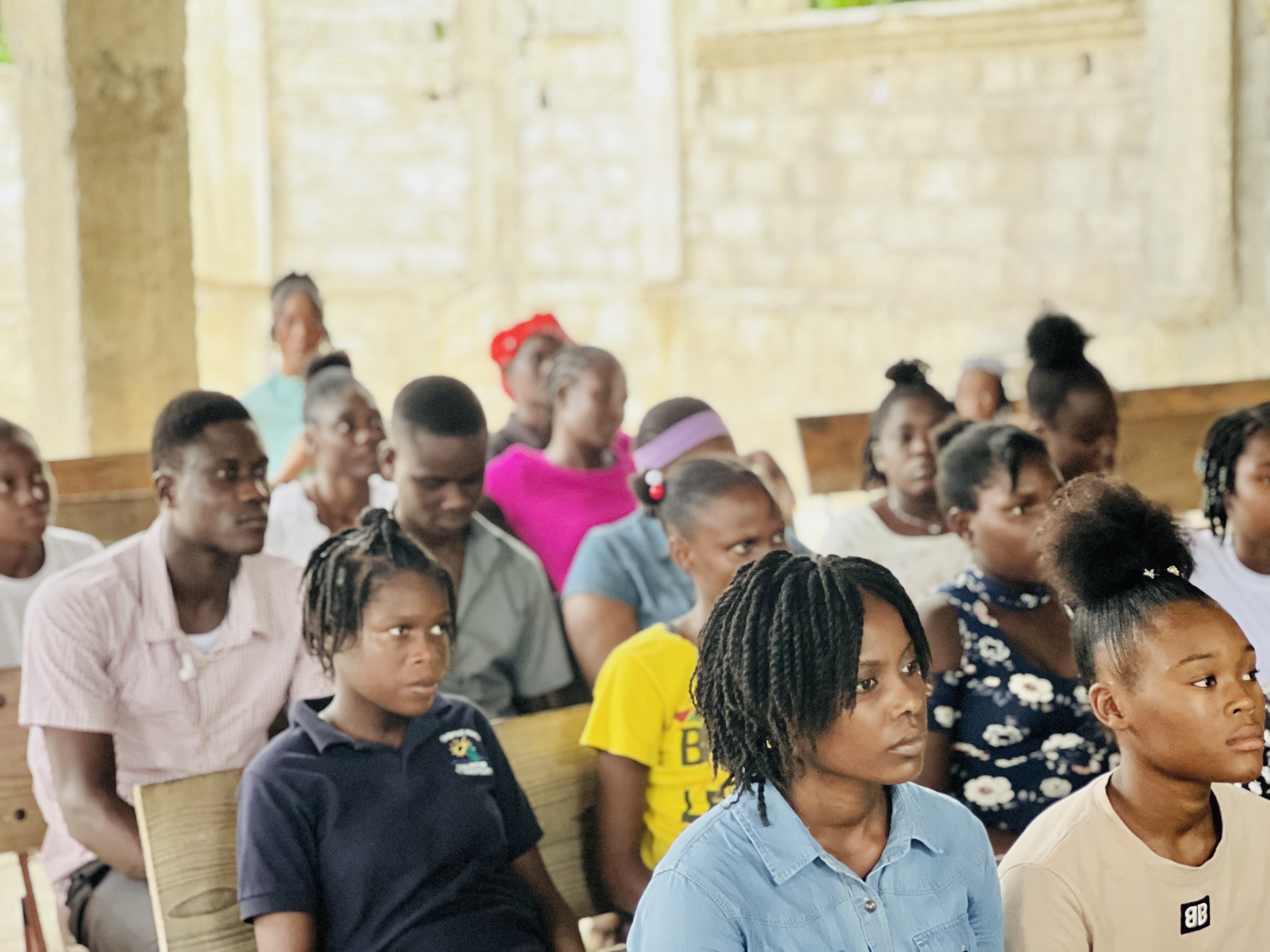
The atmosphere that dominated this session was one of active and authentic participation, reflecting the legitimate thirst for knowledge within the Limbé community. The exchanges took place in a dialogical and participatory mode, creating a safe space where each participant could express specific sleep concerns, share lived experiences, and confront daily realities with scientific knowledge shared by trainers. This horizontal and respectful approach made it possible to value the experiential knowledge of residents while enriching their understanding with biomedical reference points. Participants left equipped not only with theory but with concrete practical tools to identify and progressively transform their sleep behaviors.
Sleep is not a luxury – it is a fundamental need upon which depend our emotional stability, our ability to concentrate, and our resilience in the face of shocks.
The crucial importance of this training initiative lies in its ability to fill a critical information gap within Haitian communities. Indeed, young people and adults in Limbé too often lack structured knowledge about behaviors and practices that promote restorative sleep, not out of innate ignorance, but because these subjects are not traditionally addressed in formal educational structures and because chaotic living contexts render this dimension of health invisible or marginalized. Yet sleep represents far more than passive rest: it is a key factor for mental protection that directly influences the quality of attention, emotional regulation, immune function, and the ability to recover from trauma and crises. This session therefore enabled participants to acquire concrete and scientifically validated reference points: identify sleep disorders affecting them personally, recognize their direct and indirect impact on mental and physical health, and especially implement progressive and lasting changes to improve both the quantity and quality of their sleep based on their real resources.
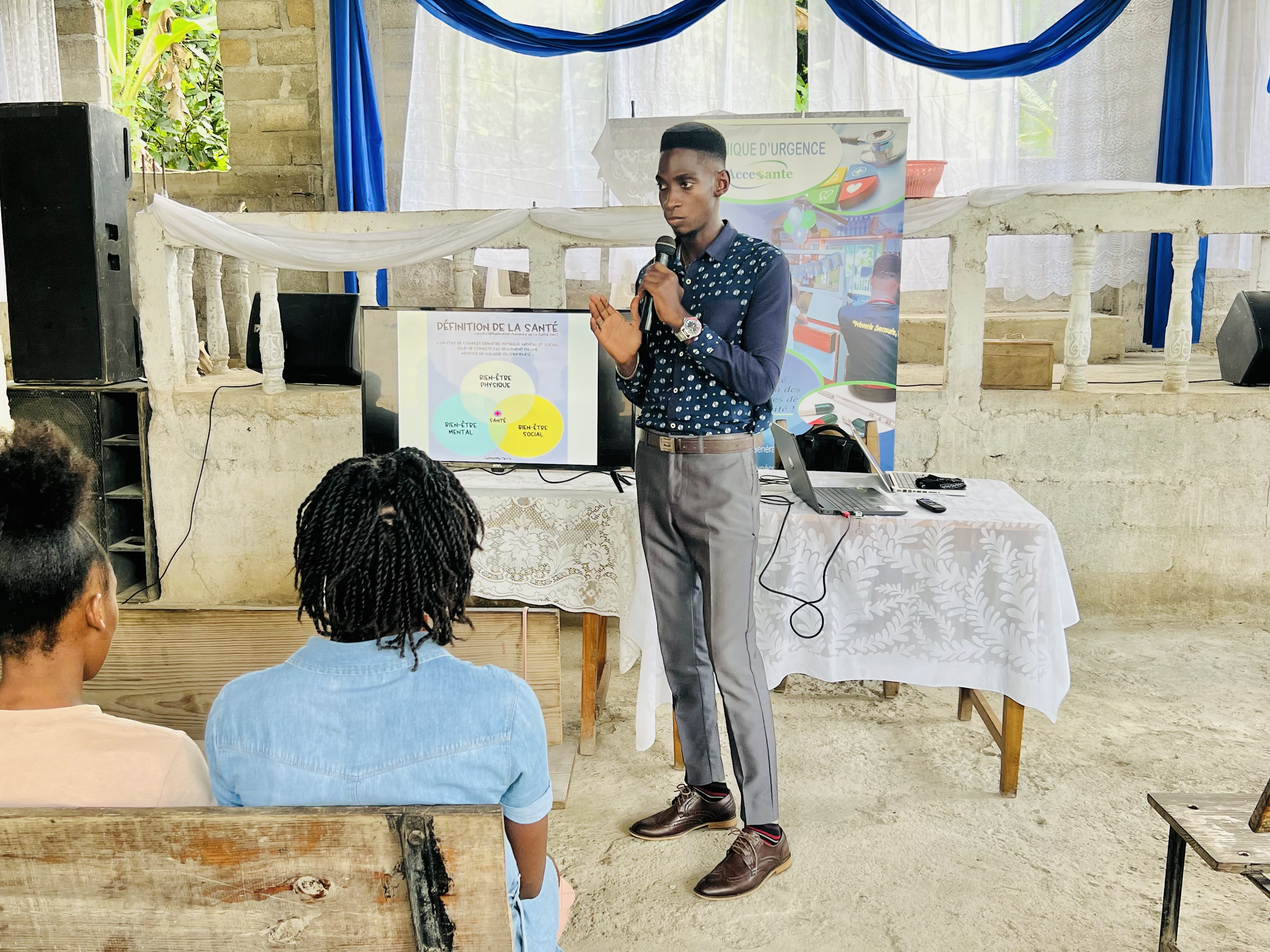
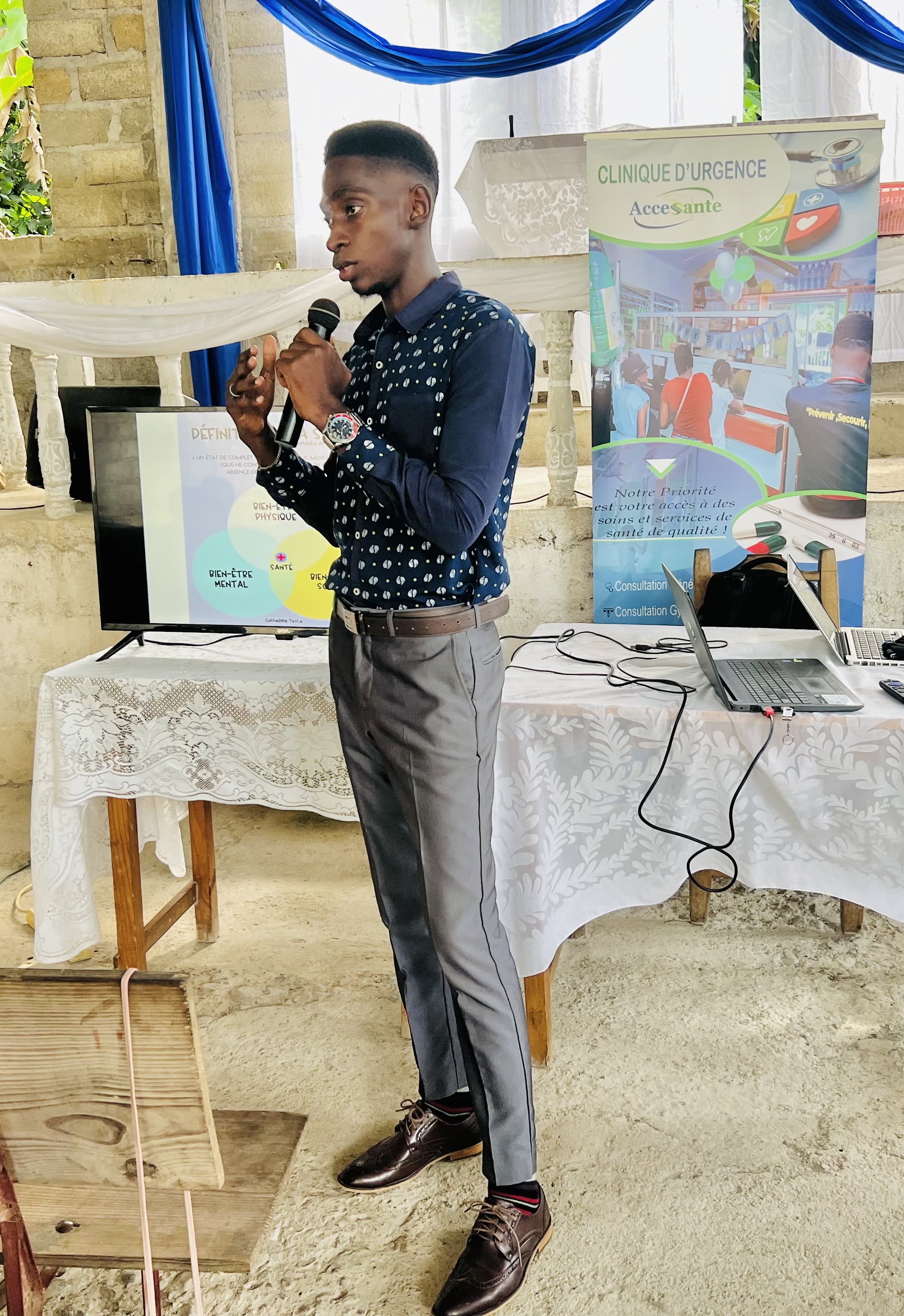
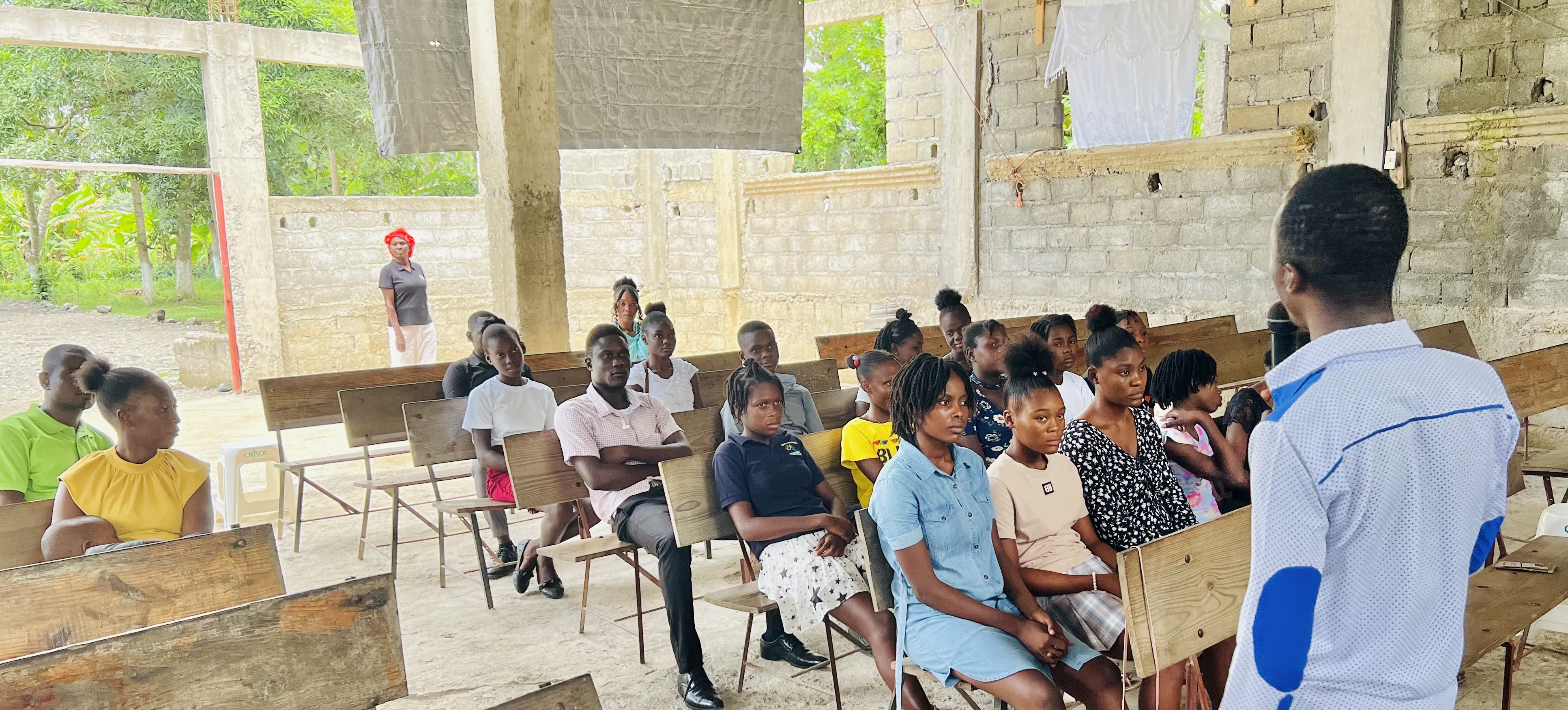
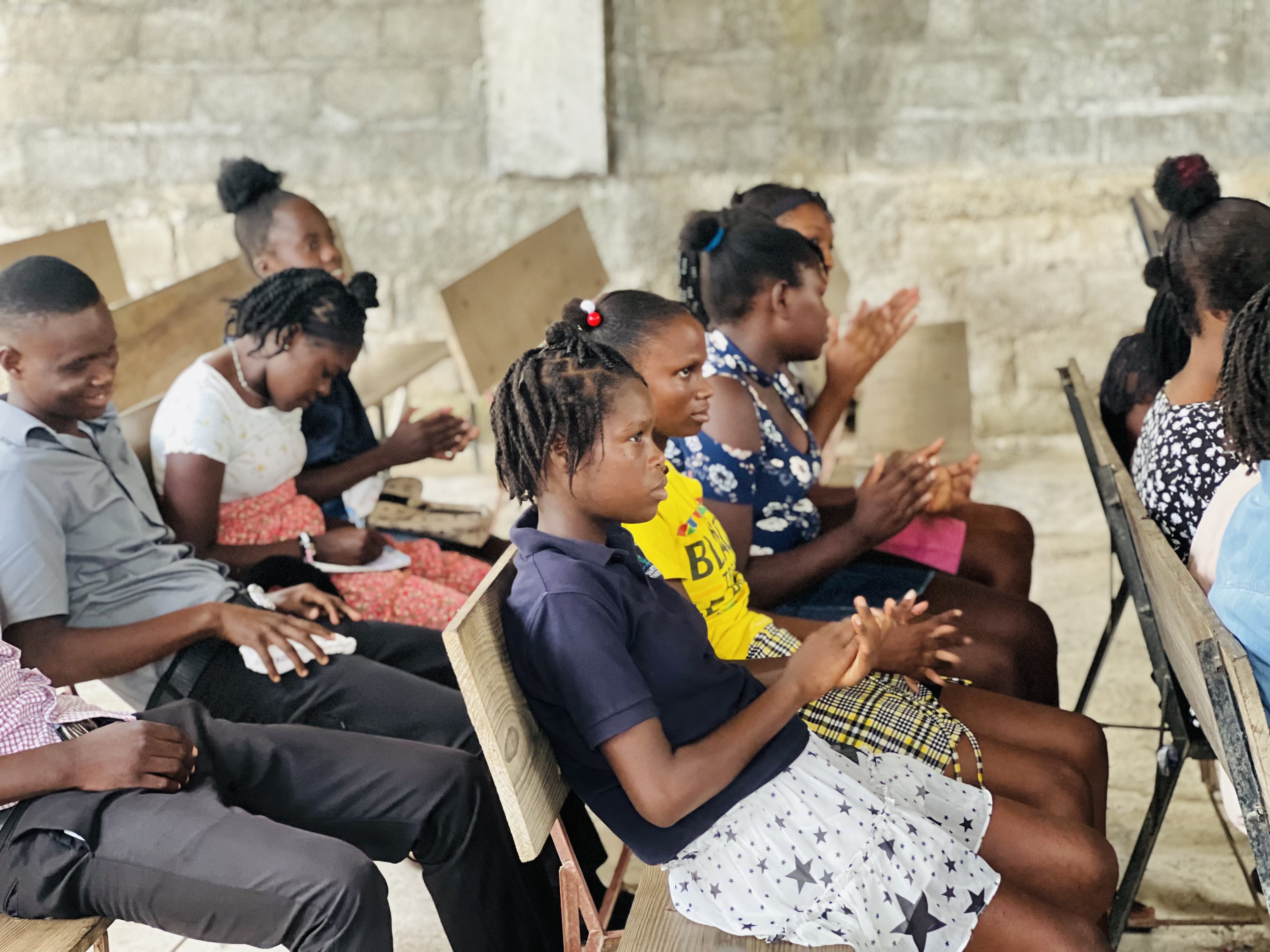
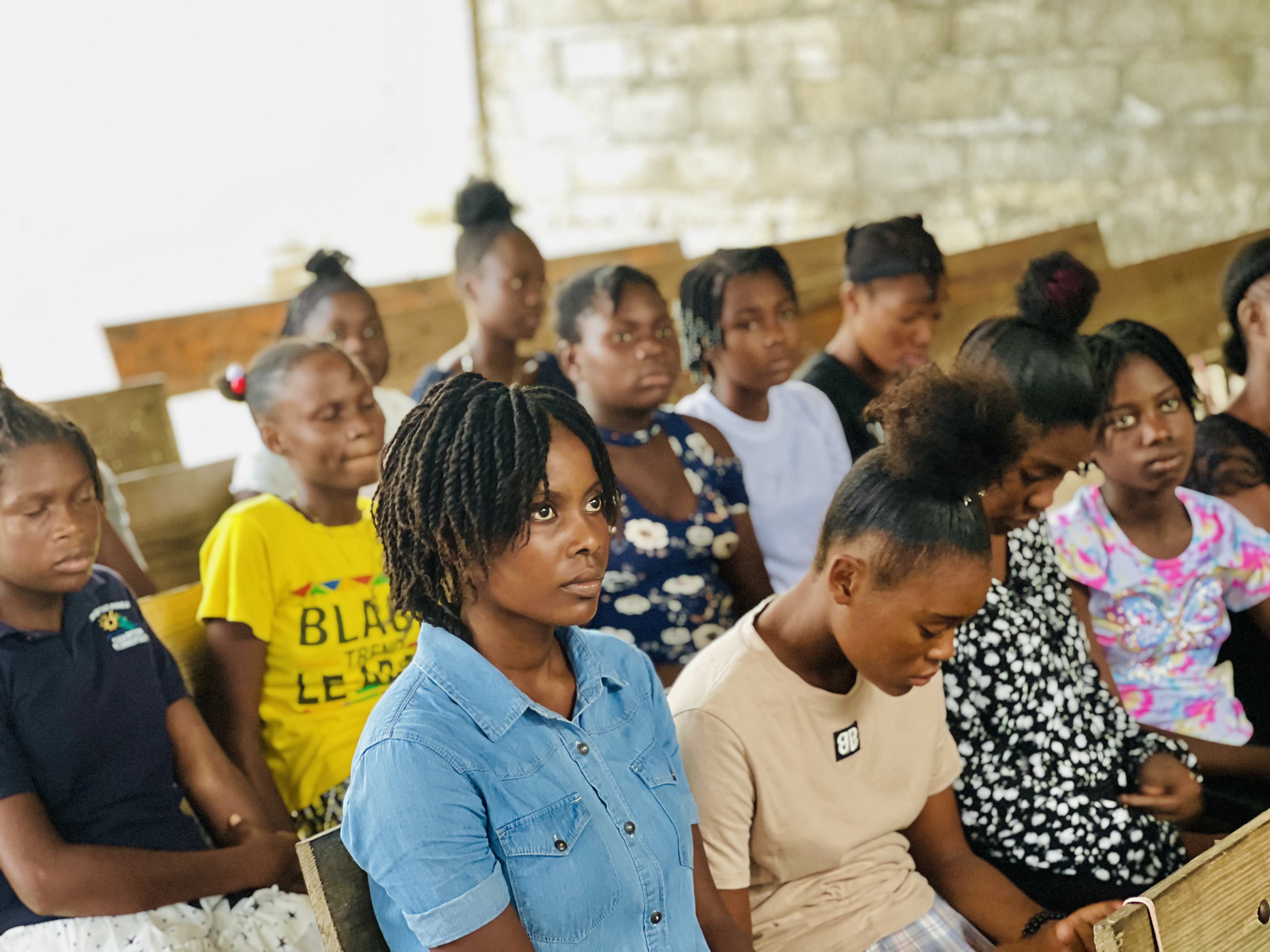
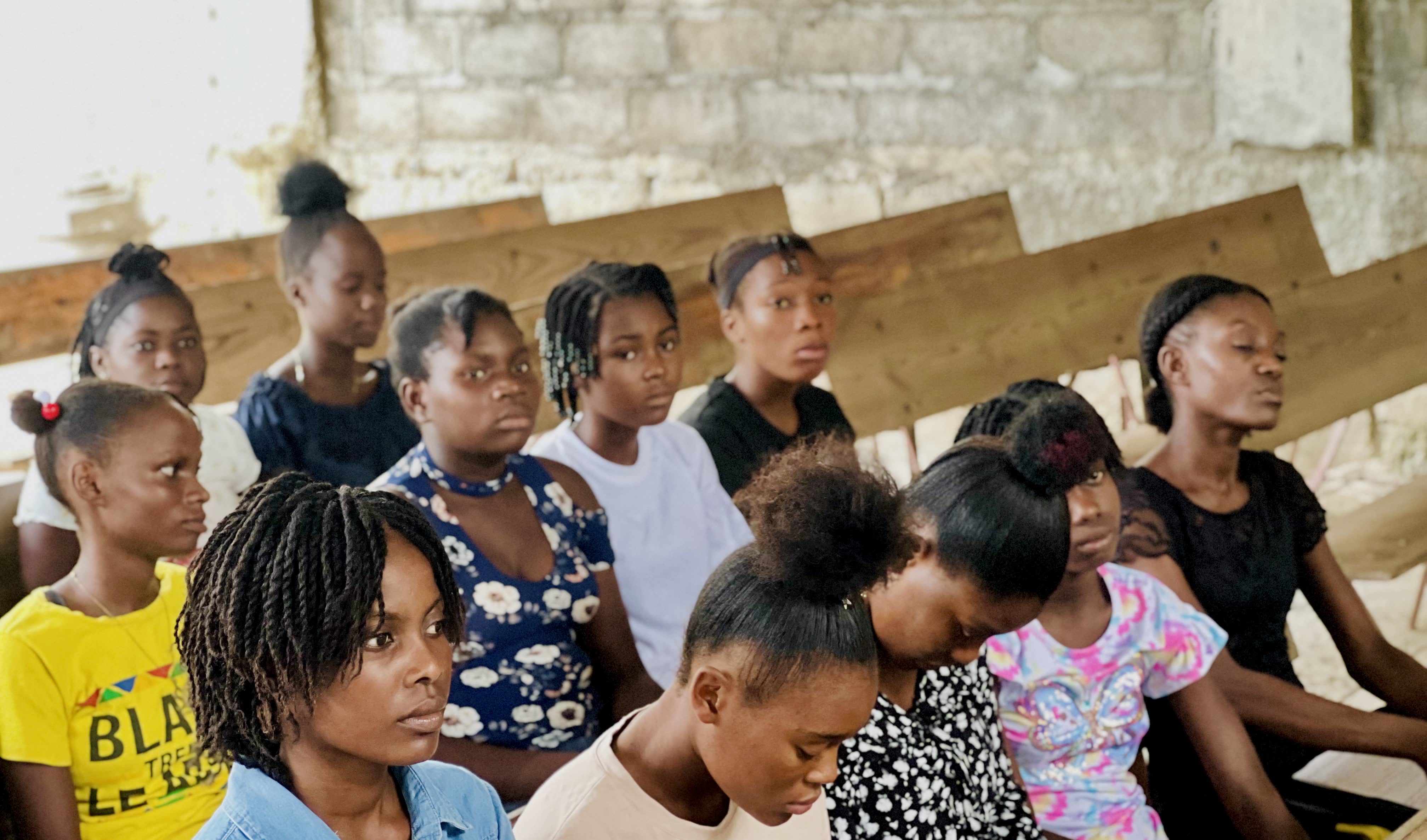
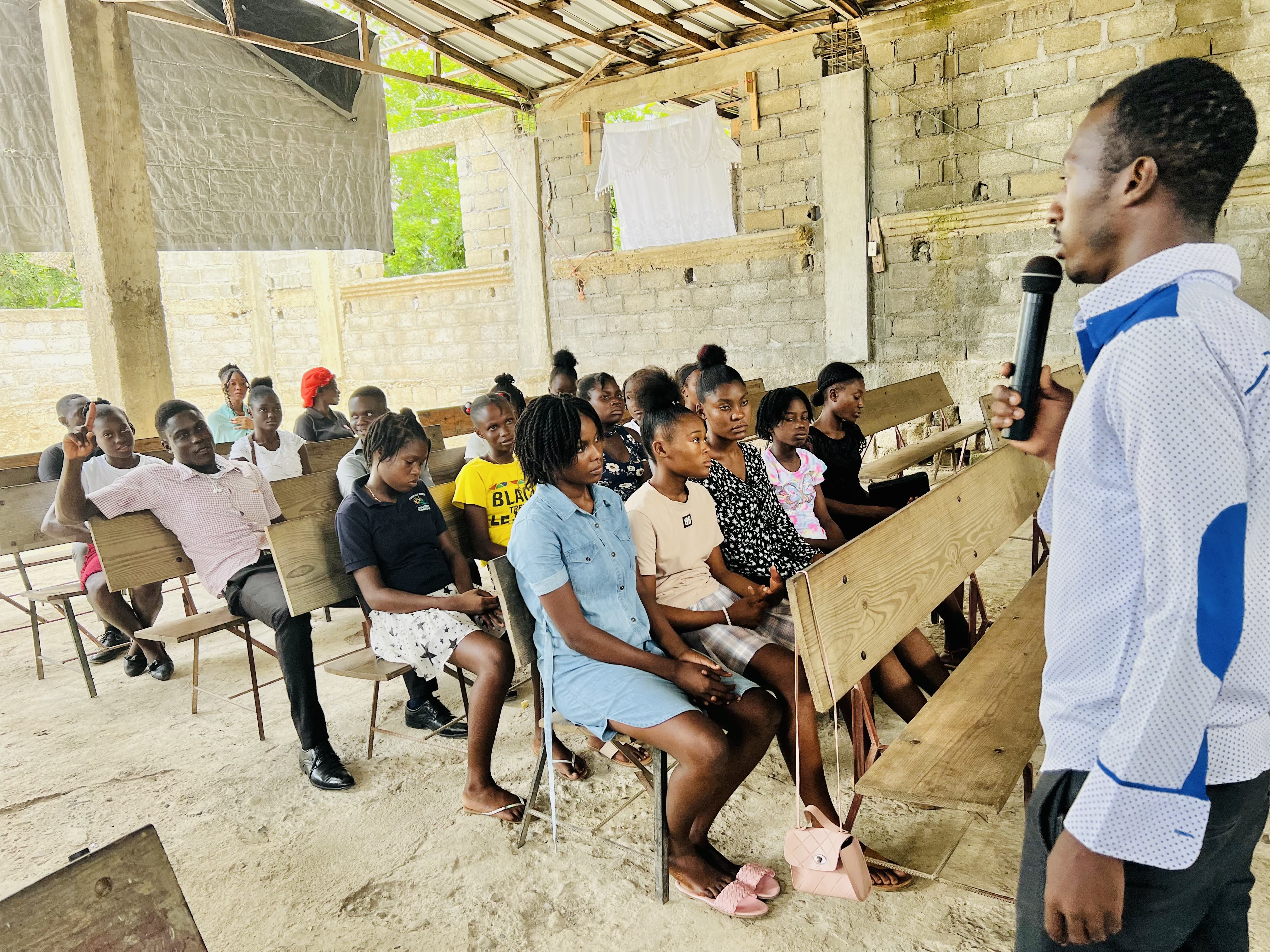
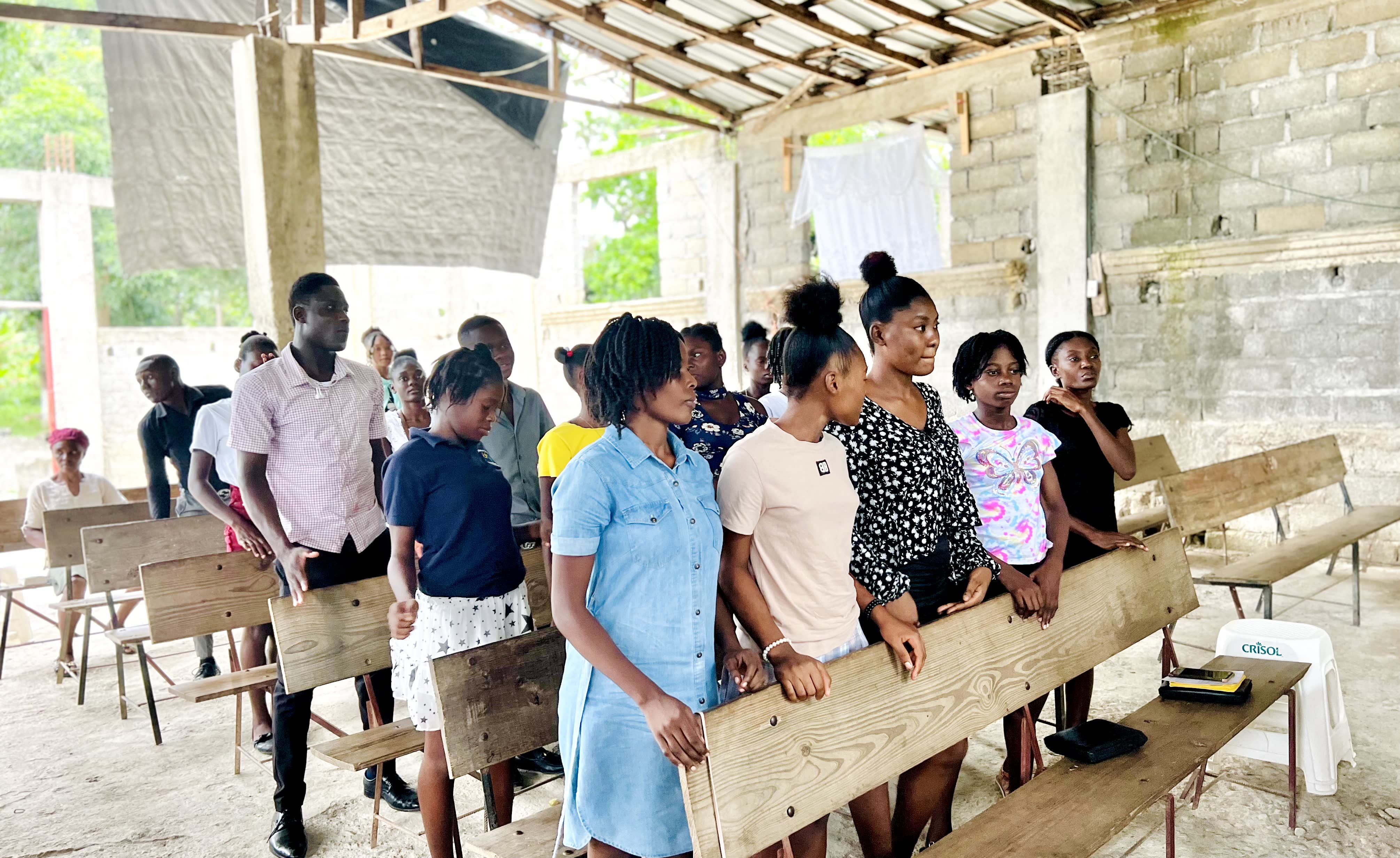
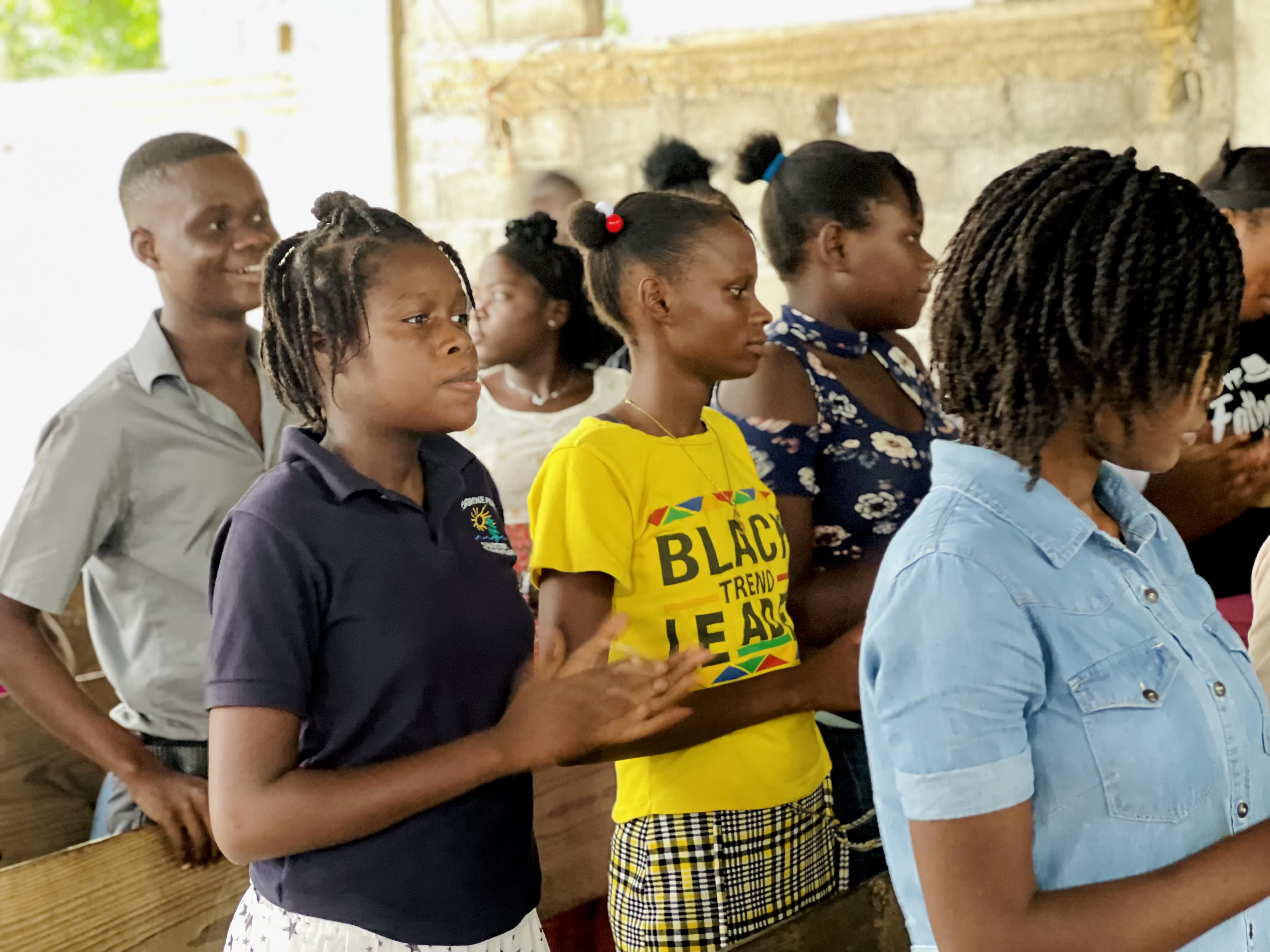
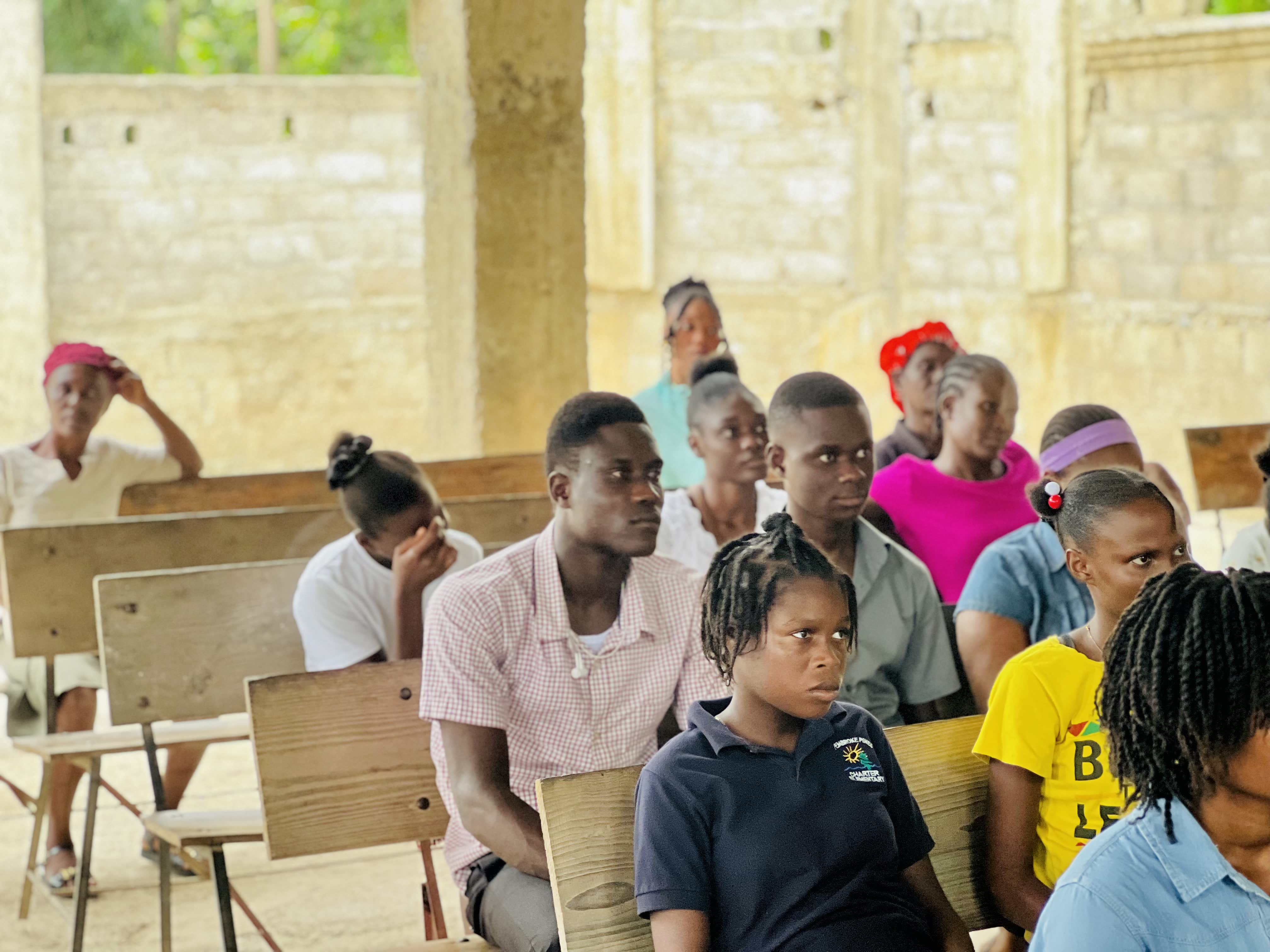
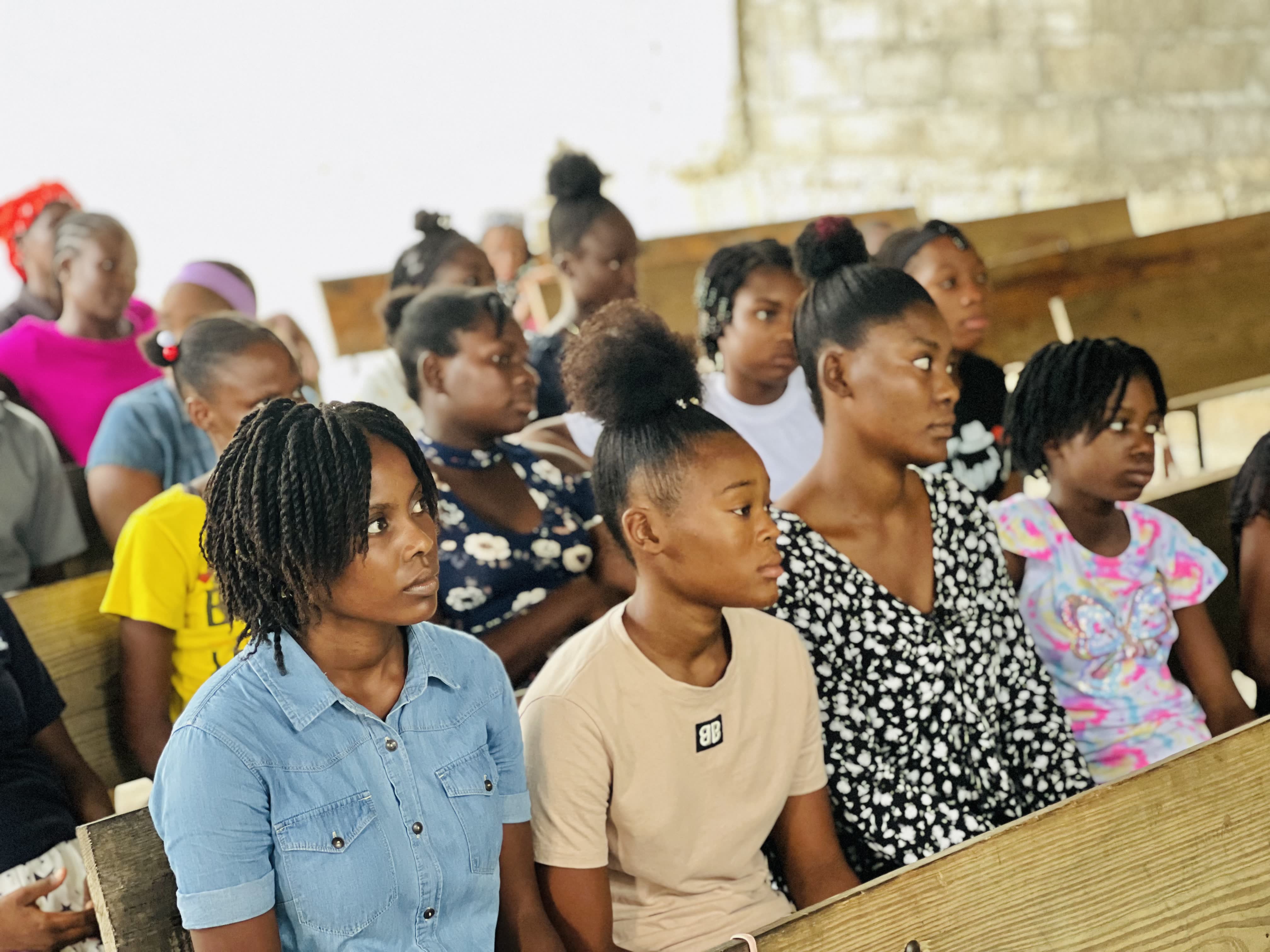
This mobilization fits naturally and deeply within the fundamental mission of the Accès-Santé Emergency Clinic, a mission that goes far beyond the sole framework of curative care and emergency interventions. Indeed, since its creation, Accès-Santé does not intervene only during acute health crises or medical emergencies requiring immediate life-saving actions; the organization is resolutely committed to three complementary dimensions: disease and health disorder prevention, structured health education of populations, and strengthening the bond of trust and solidarity between the institution and the communities it serves. The August 18, 2024 session represents a living and exemplary manifestation of this triple institutional commitment. It prevents mental health disorders by strengthening a fundamental protective factor (restorative sleep), it educates the Limbé community by sharing essential and accessible knowledge, and it strengthens the bond of trust by concretely demonstrating that every aspect of human well-being – even those seemingly simple or ordinary – deserves attention, respect, and institutional support.
The concrete and lasting results of this initiative go far beyond the training hours provided on August 18. Participants who actively contributed to this session now depart equipped with durable scientific knowledge and practical tools that will gradually shape their daily behaviors and health choices in the weeks and months to come. More importantly, each of these participants becomes potentially a multiplier of knowledge and healthy practices within their immediate family, neighborhood, and broader social network. This dynamic of learning multiplication creates a beneficial cascade effect at the heart of the Limbé community, where principles of sleep hygiene and mental protection gradually spread by word of mouth, house to house. For the Accès-Santé Emergency Clinic, this mobilization on August 18, 2024 constitutes a major institutional milestone in its trajectory of community service, but it is only the promising beginning. The unwavering commitment to community health education will continue with the deep conviction that every person, regardless of their socioeconomic or security context, deserves access to rigorous information and concrete tools necessary to improve their overall well-being and that of their immediate environment.