Mental health in Haiti remains a subject surrounded by misunderstandings, fears, and deep stigmas. While psychological challenges affect thousands of people daily, many prefer to suffer in silence rather than seek help, fearing judgment or lacking information. It is in this context that Accès-Santé Emergency Clinic decided to act. In partnership with EEHL Fraternity, it designed an innovative intervention: step outside its walls, reach people where they live, and open dialogue on these often-taboo psychological realities.
Accès-Santé Steps Beyond Clinical Walls to Destigmatize Mental Health

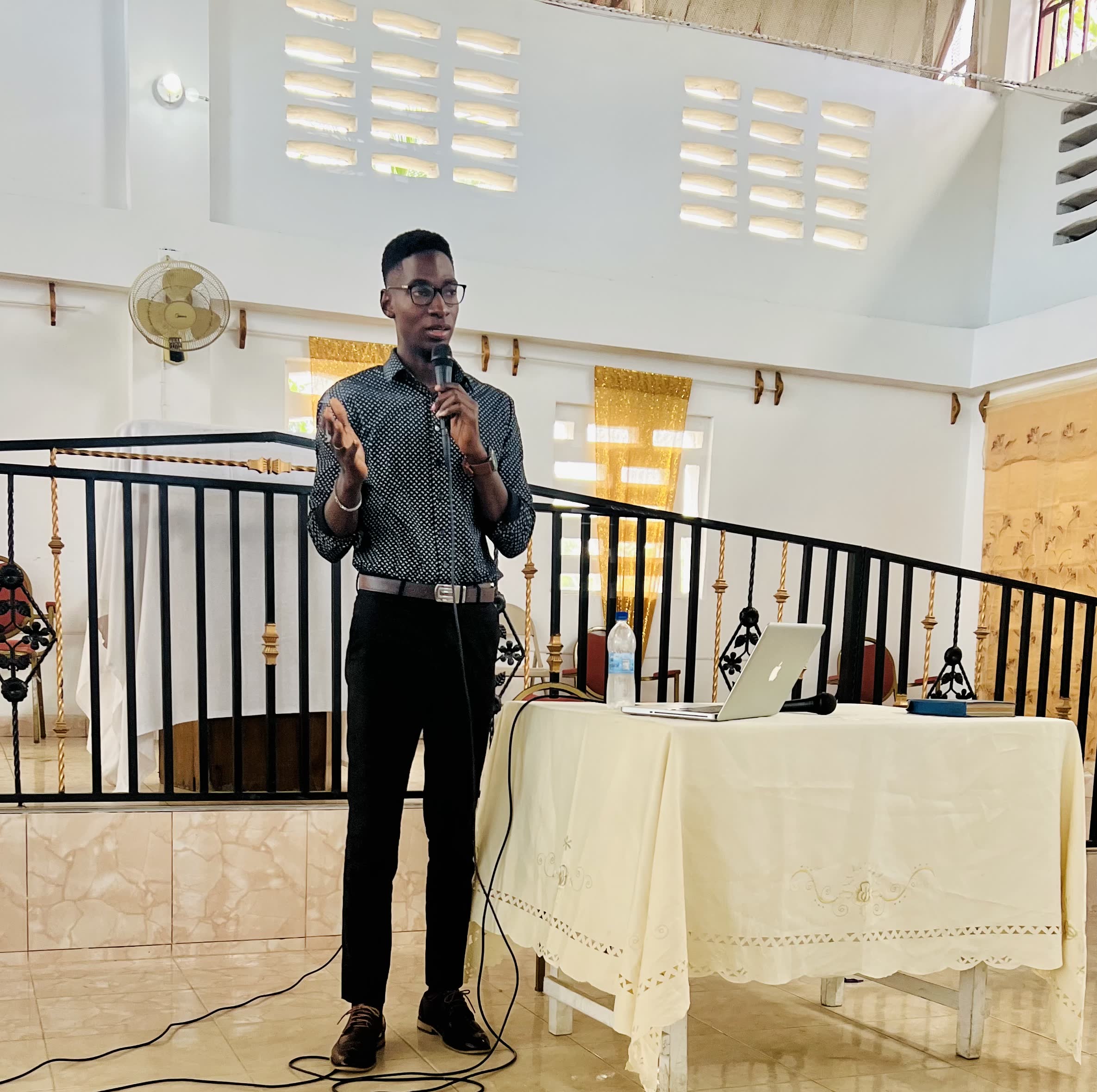
On February 9, 2025, Accès-Santé Emergency Clinic organized an innovative training program in partnership with EEHL Fraternity, marking a turning point in its public health approach in Limbé. At the heart of this initiative lies a strong conviction: integral health must be accessible everywhere, not just in medical facilities, but in the spaces where people actually gather.
This action directly reaches Limbé residents, particularly those without easy access to formal health services. By conducting this training in the field, the clinic creates favorable conditions for everyone to recognize, understand, and address psychological problems without shame or fear.
The overall objective remains consistent: to transform collective perception of mental health in Haiti, demonstrating that psychological challenges are natural human realities, worthy of compassion and support, and above all, susceptible to being addressed.
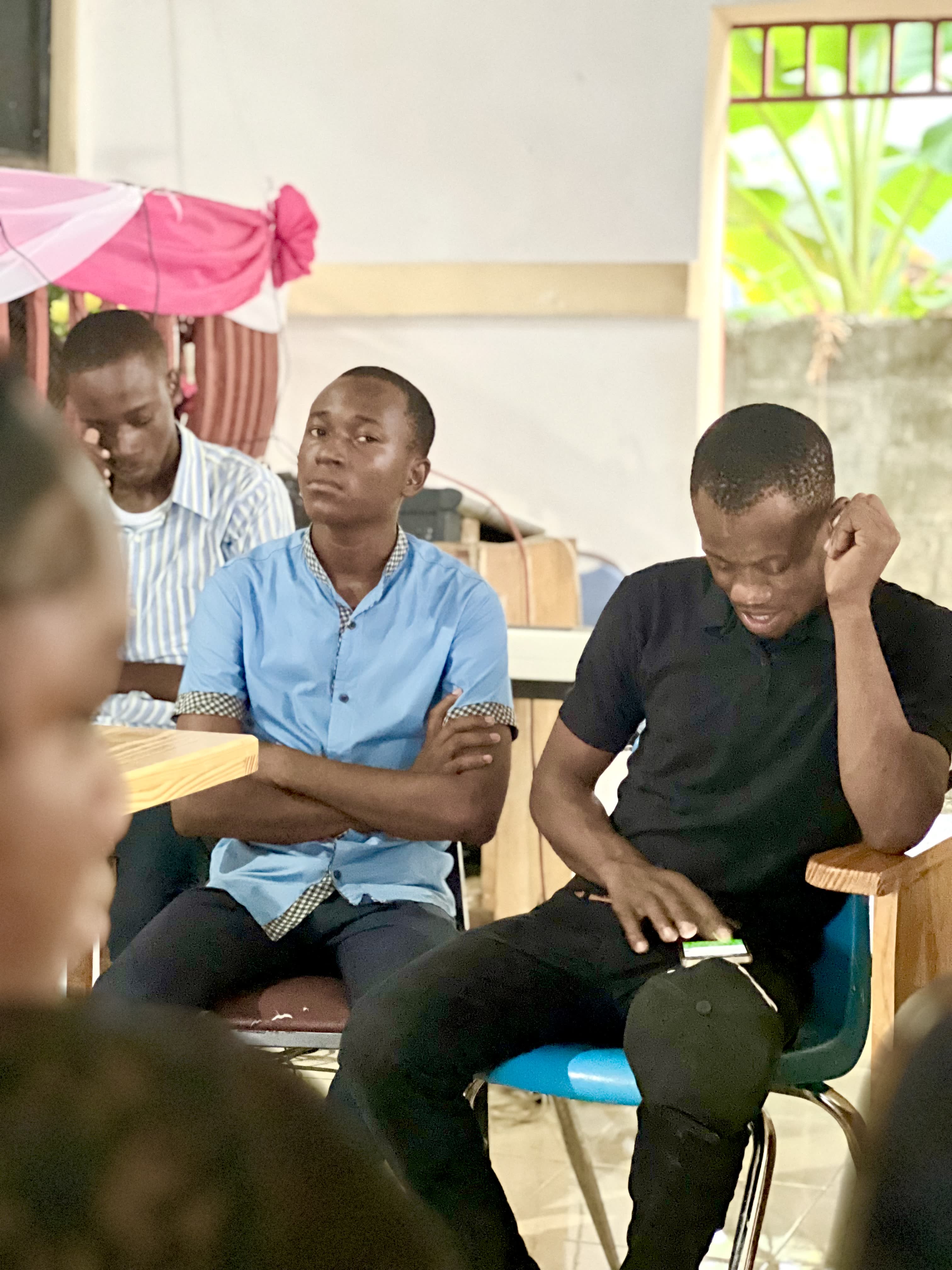
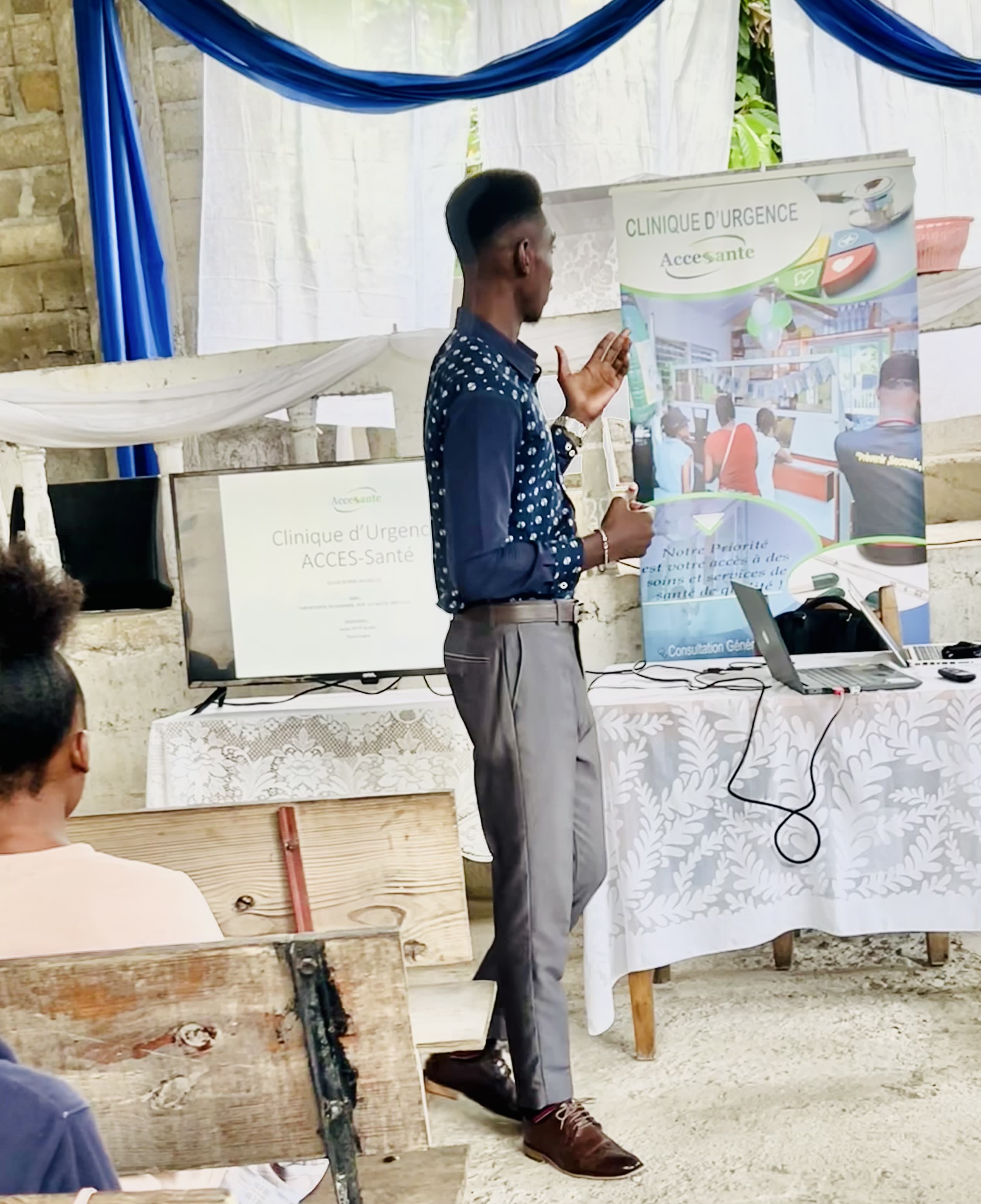
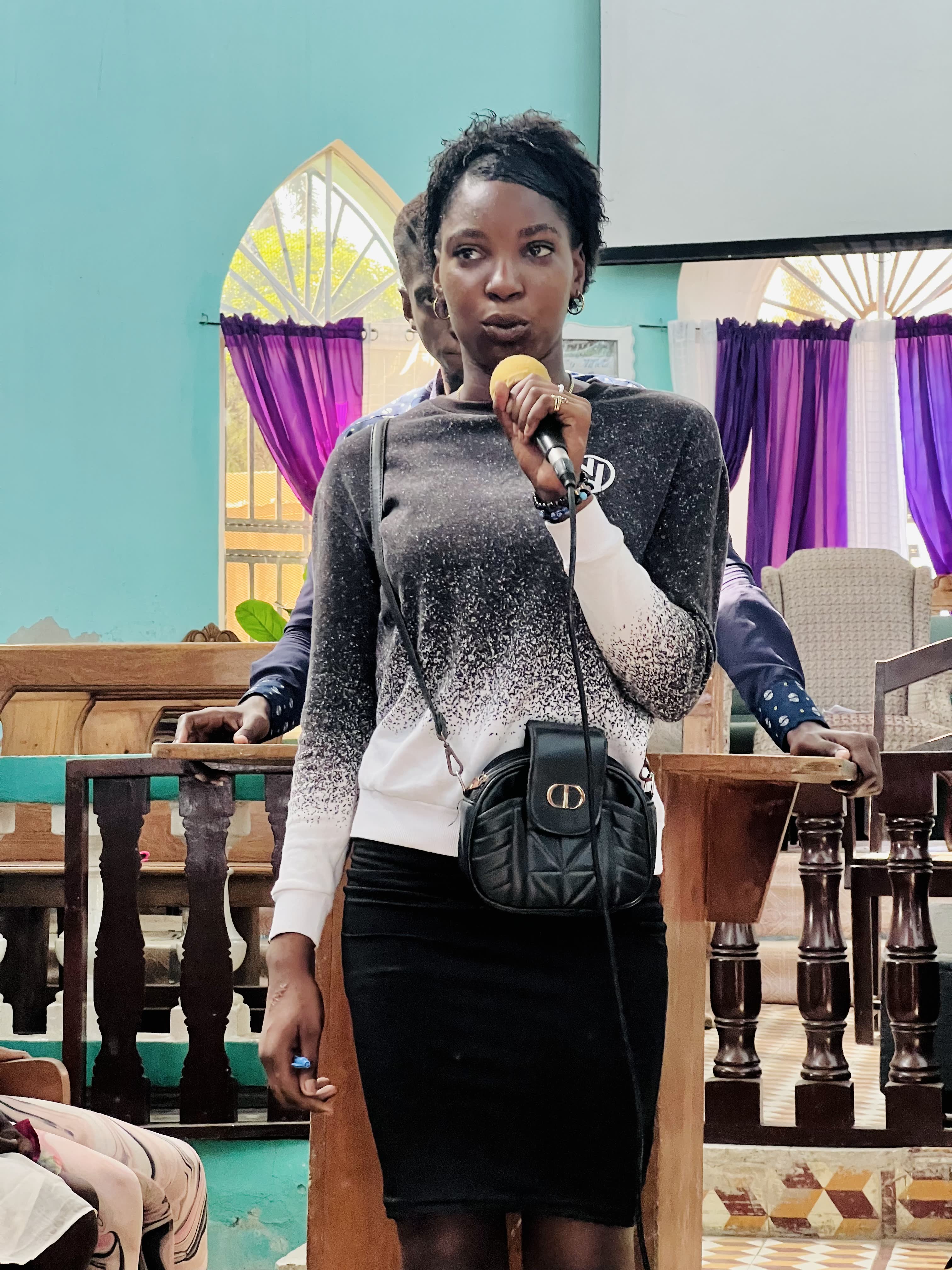
On February 9, 2025, this vision became reality in Limbé, in community spaces regularly frequented by the local population. The training brought together participants from all walks of life, eager to better understand mental health and acquire practical tools to support those around them. Topics covered included recognizing psychological warning signs, demystifying mental disorders, and most importantly, building a posture of compassionate and non-judgmental listening. The exchanges were rich, allowing participants to ask questions, share personal experiences and concerns, creating an authentic space for collective sharing and learning.
The atmosphere that emerged from this gathering was both professional and deeply human. Participants showed particular engagement, asking pertinent questions and demonstrating sincere interest in the presented content. Far from remaining passive, many shared personal anecdotes, revealing concerns that weigh silently on the community. This active participation testifies to a genuine thirst for knowledge and a collective willingness to break the silence surrounding mental health. Smiles, nods of assent, and prolonged discussions after the formal session ended confirmed the direct impact of this initiative on the minds and hearts present.
Psychological problems are not signs of weakness or curse, but natural human realities that can be recognized, understood, and treated.
The importance of this initiative goes far beyond simple information exchange. In Limbé and throughout Haiti, mental health remains an area weakened by false beliefs, superstitions, and widespread misunderstanding of psychological realities. Many people attribute mental disorders to supernatural causes, curses, or moral weaknesses, thus blocking access to appropriate treatment. By organizing this training in community spaces, Accès-Santé directly addresses this problem. It provides residents with tools to identify warning signs, understand that these challenges are legitimate medical conditions, and most importantly, recognize the importance of seeking professional help without shame. The expected benefits are multiple: improved early detection of disorders, reduced stigmatization, strengthened peer support, and creation of a more welcoming environment for those suffering in silence.
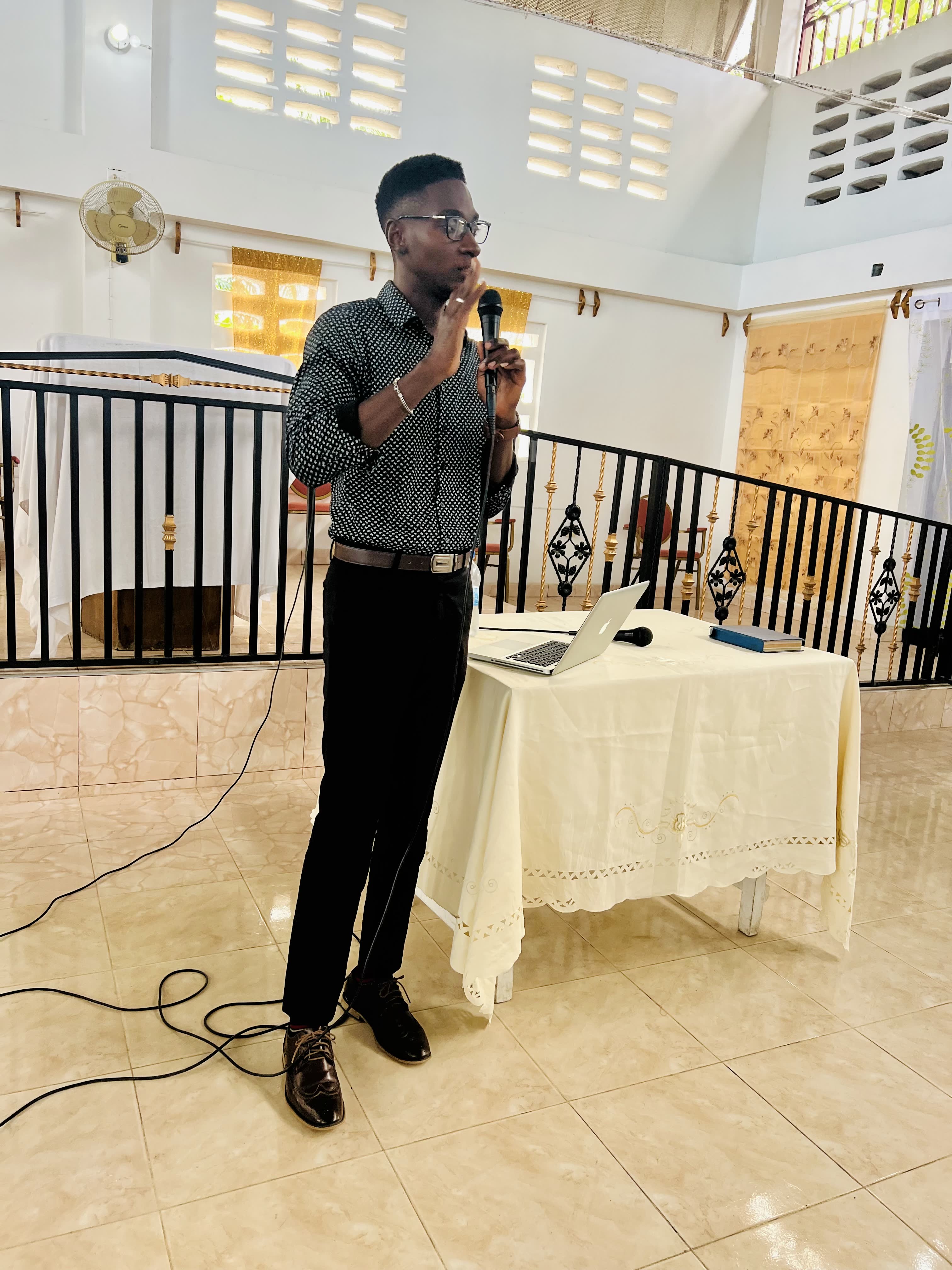
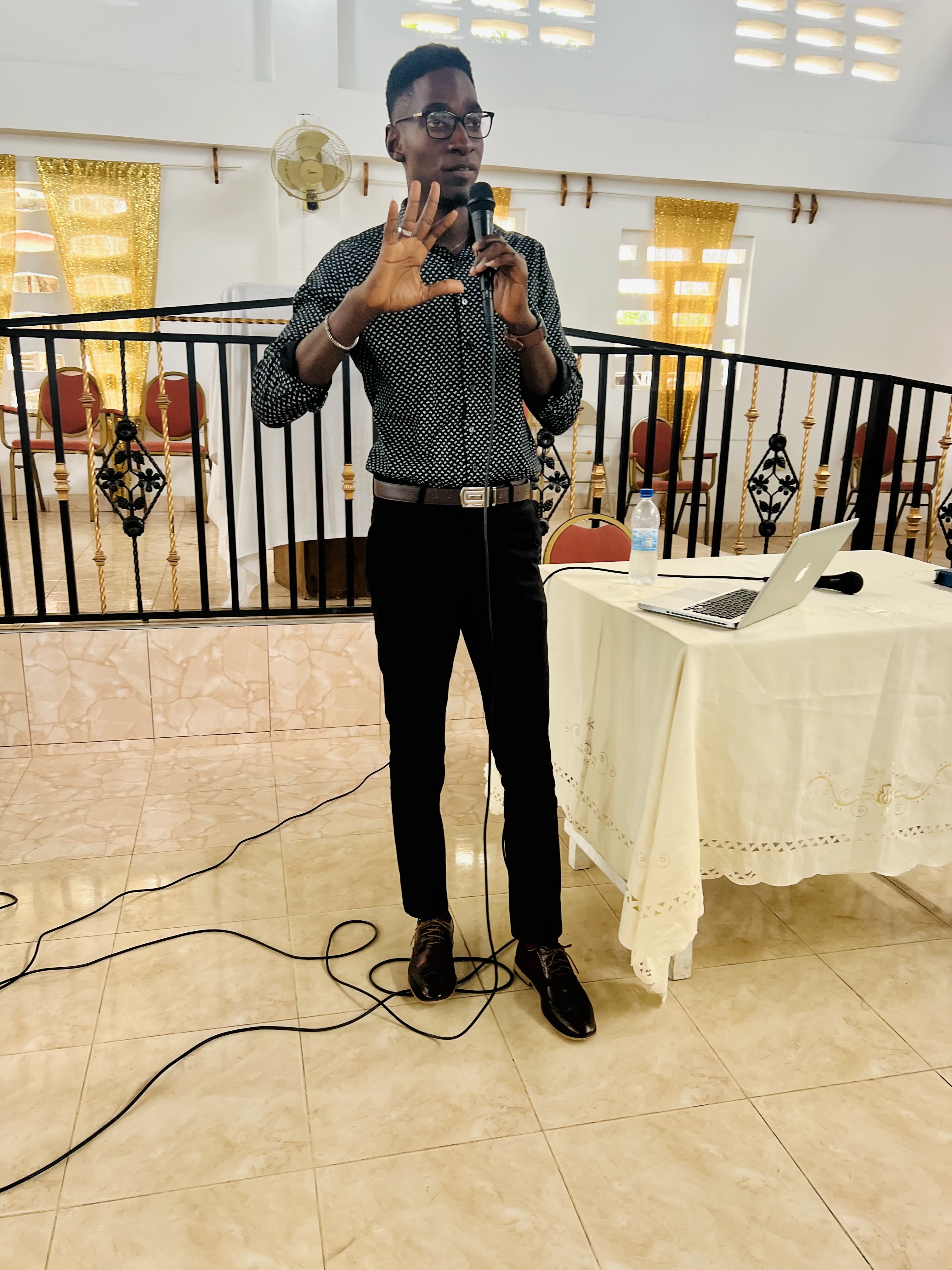
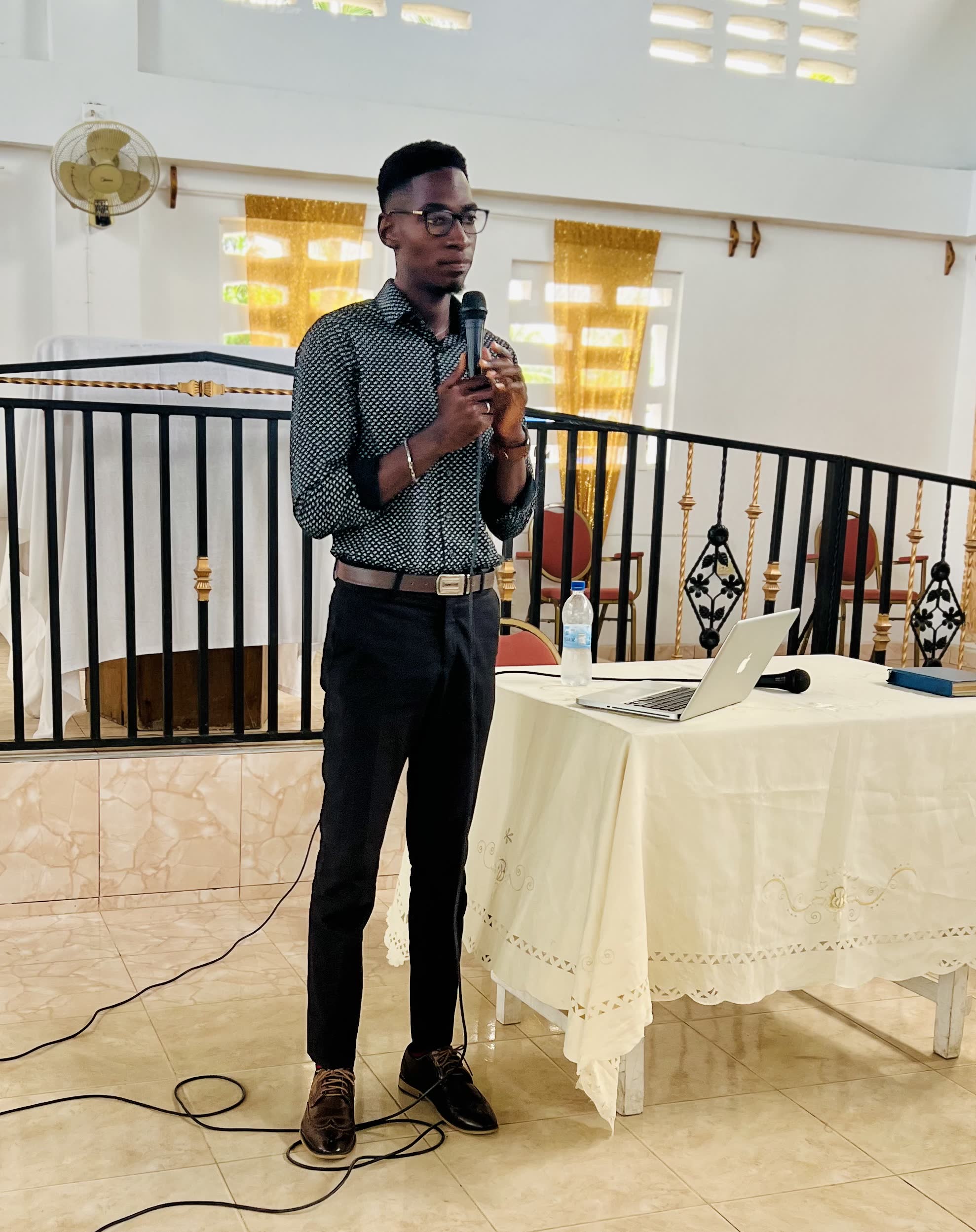
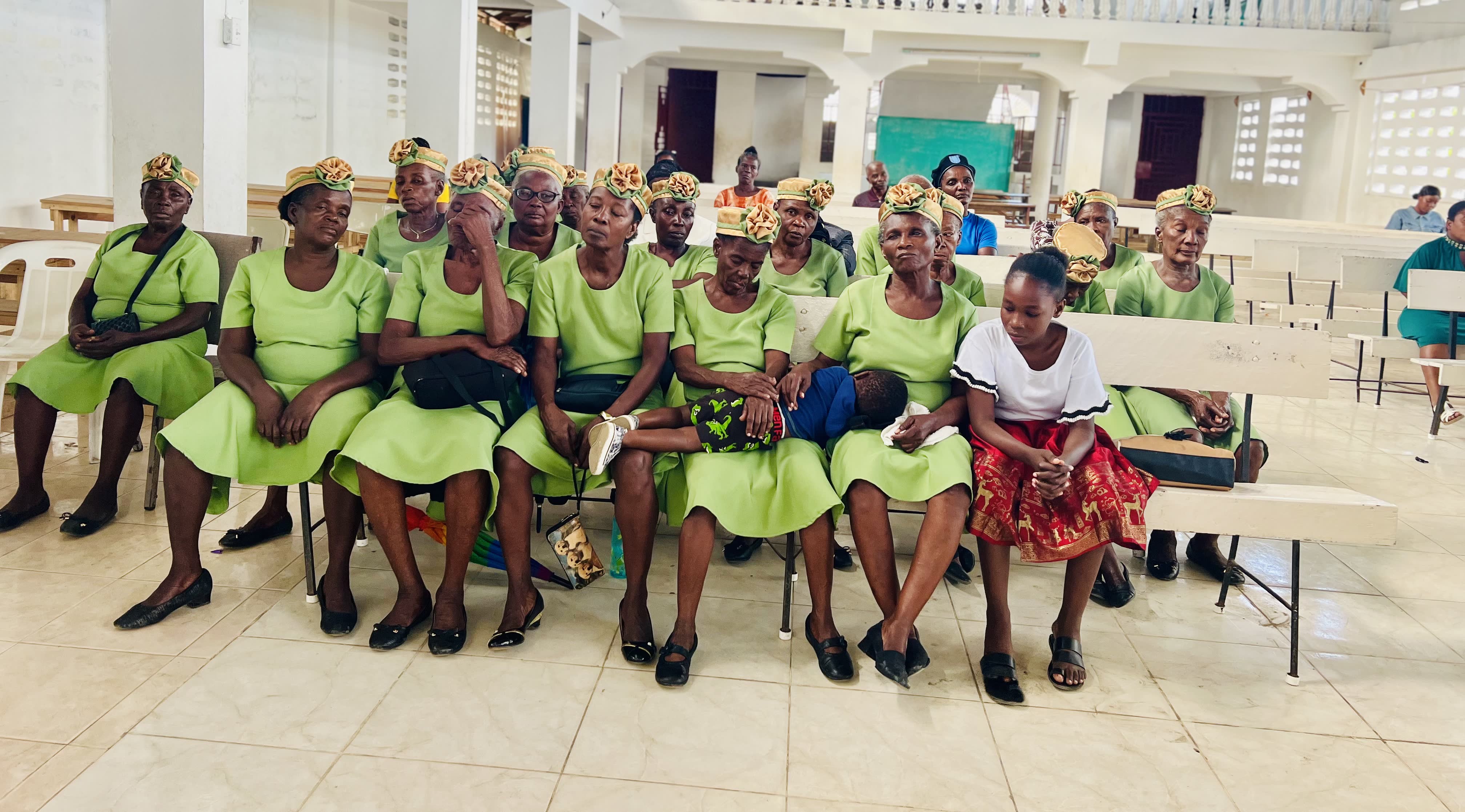
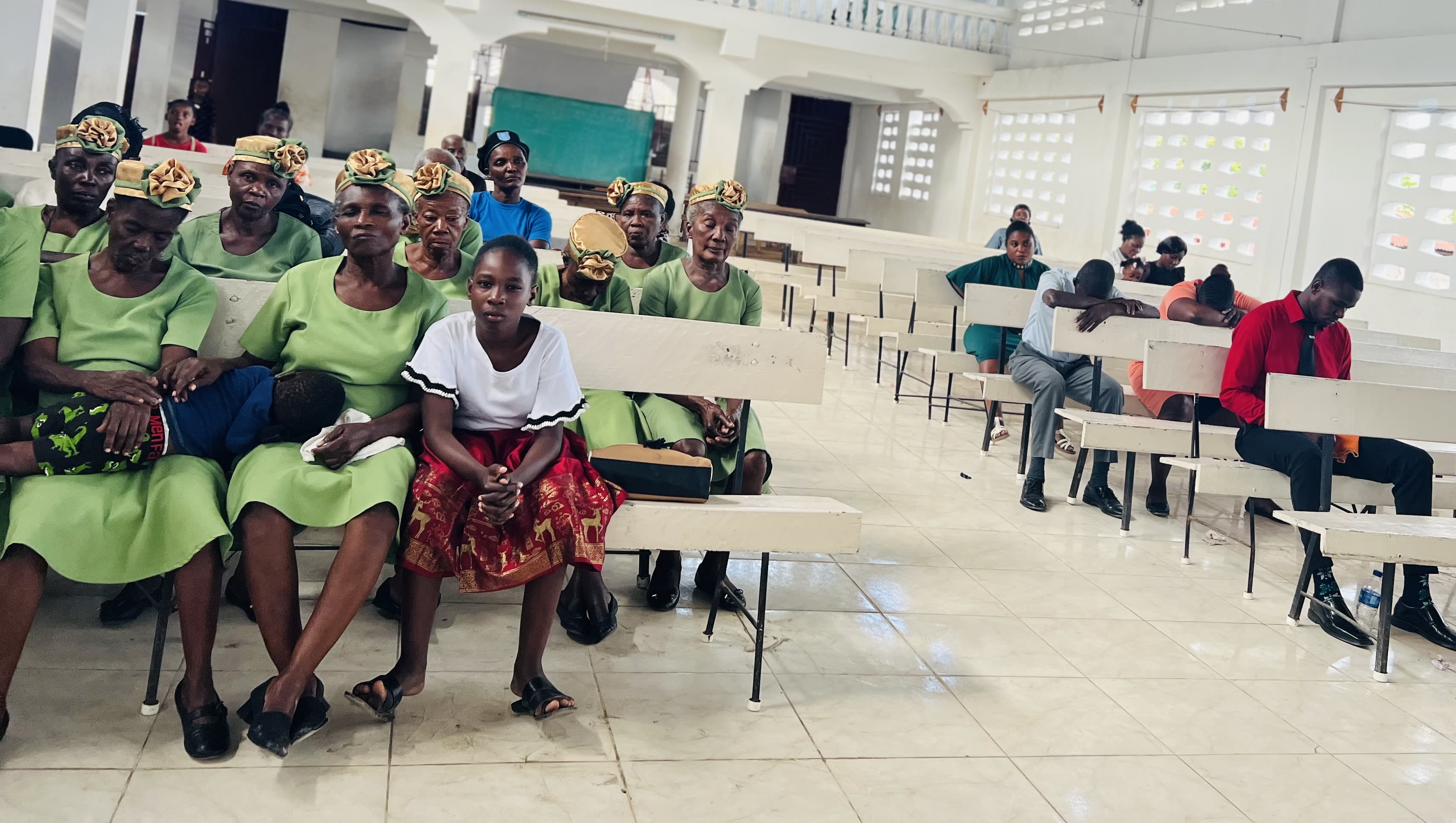
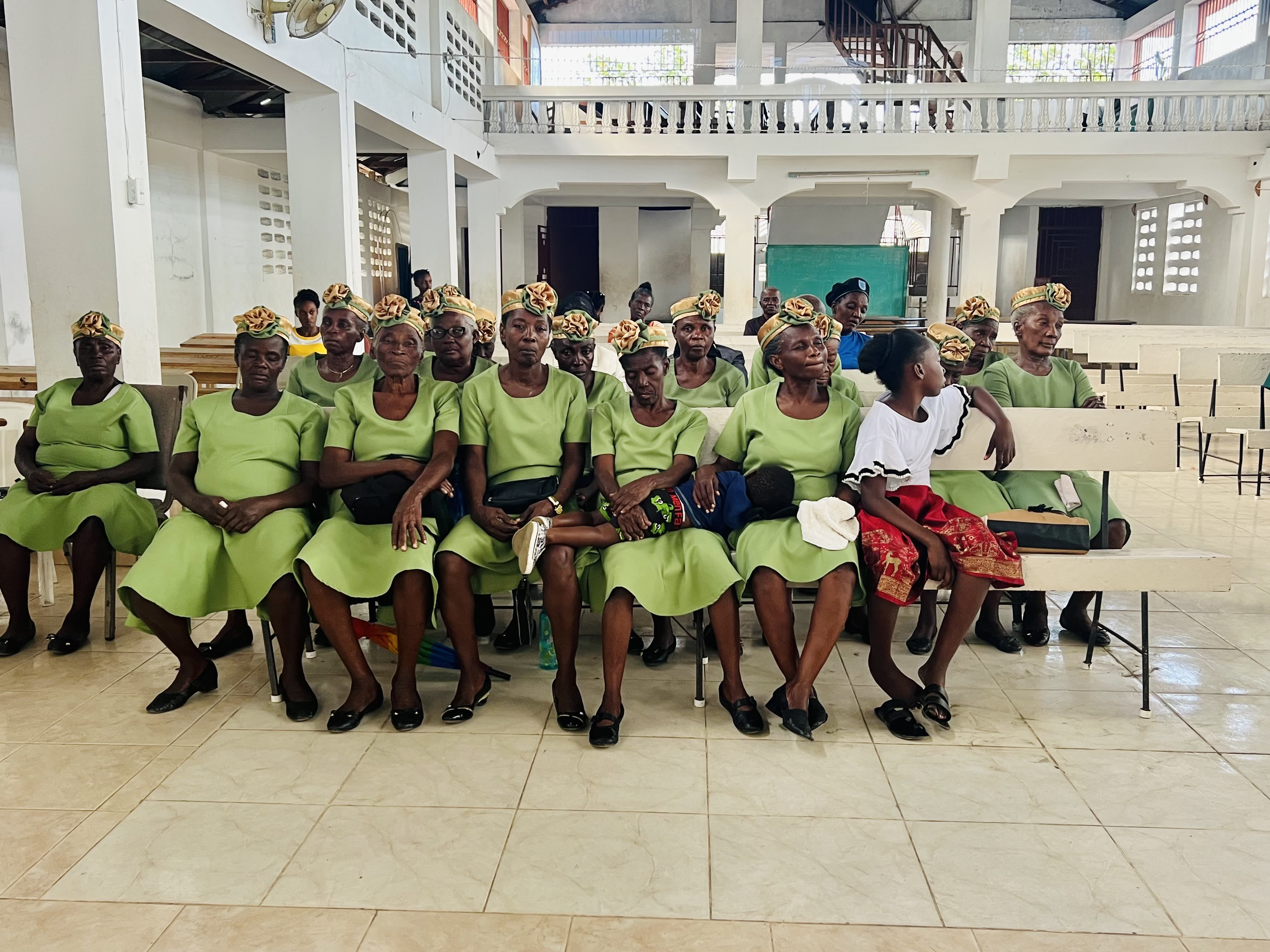
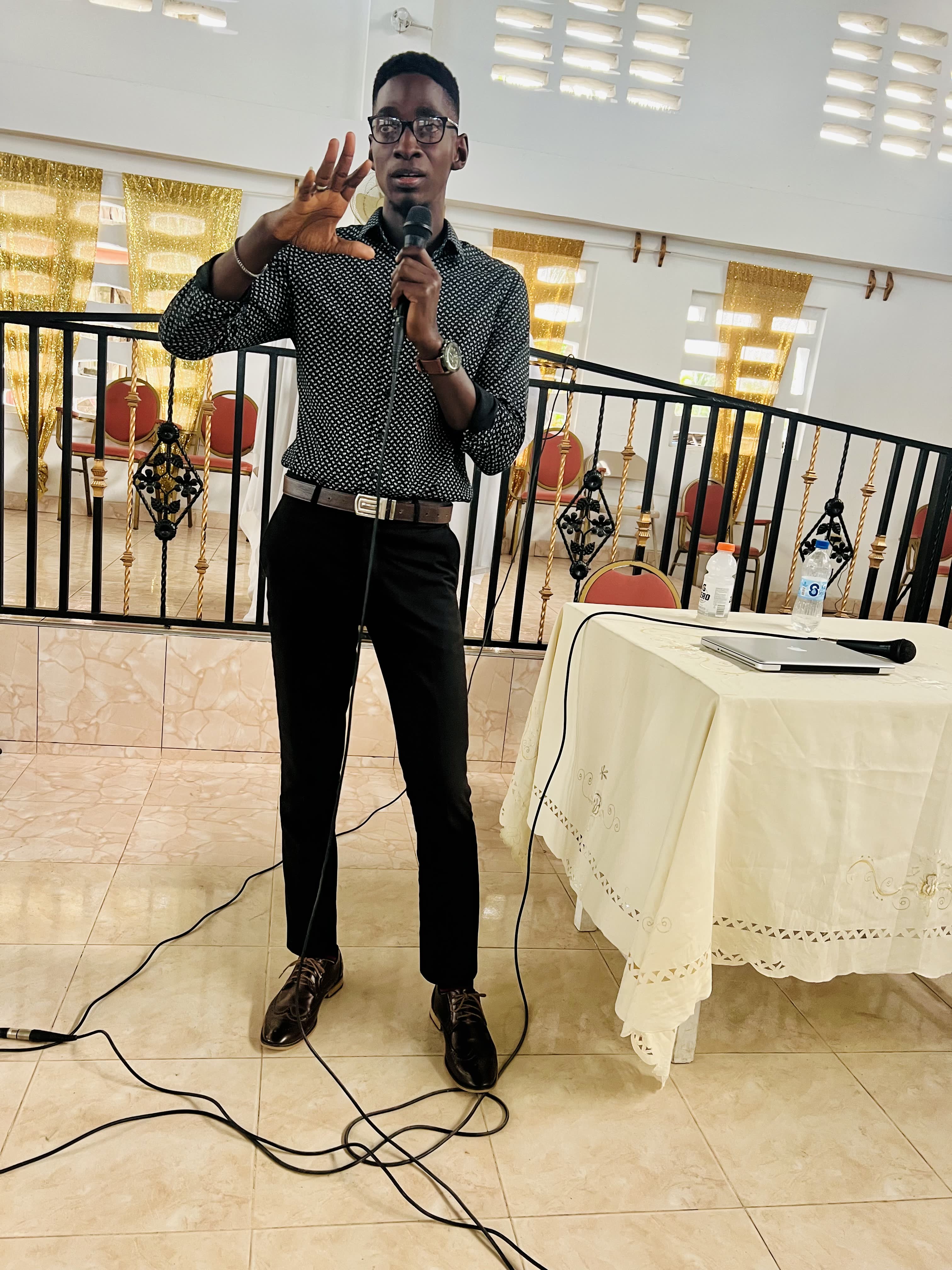
This action is fully in line with Accès-Santé's fundamental mission: promoting integral and accessible health for all, based on prevention, education, and strengthening community bonds. By stepping beyond the clinic's doors to meet populations directly, Accès-Santé demonstrates a public health philosophy rooted in the territory and respectful of local realities. This approach recognizes that health is not just a medical matter, but also a social, cultural, and community matter. By speaking the language that people understand, using spaces they naturally frequent, and adopting a non-condescending tone, the clinic creates conditions for the message of kindness and normality around mental health to be truly heard and integrated. This sustainable social transformation necessarily passes through foundations anchored in trust and mutual respect.
The results of this day on February 9, 2025 already exceed initial expectations. Participants leave not only enriched with new knowledge, but also internally transformed, equipped with a heightened awareness of the importance of mental health and a personal responsibility to contribute to collective well-being. In the coming weeks and months, this training will bear fruit: conversations will be engaged in families, young people will be helped by sensitized peers, adults will feel less alone facing their challenges, and progressively, the collective perception of mental health in Limbé will be transformed. Accès-Santé has no intention of stopping there. The ambition is to reproduce and amplify these initiatives, create networks of peer educators, and make each community space a place of active promotion of mental health. This path toward destigmatization is long, but every step counts, and the one on February 9, 2025 will remain engraved as a foundational moment.