At the heart of the Limbé region, the Accès-Santé Emergency Clinic continues its commitment to the population by taking a decisive step: integrating educational issues into its community health mission. Recognizing that children's well-being extends far beyond disease treatment alone, the organization has chosen to invest in strengthening local educators' pedagogical skills. This holistic approach reflects a deep understanding of health as a multidimensional concept, encompassing access to quality education and harmonious child development within their social and family environment.
Training for Prevention: Accès-Santé Strengthens Teaching Skills in Limbé


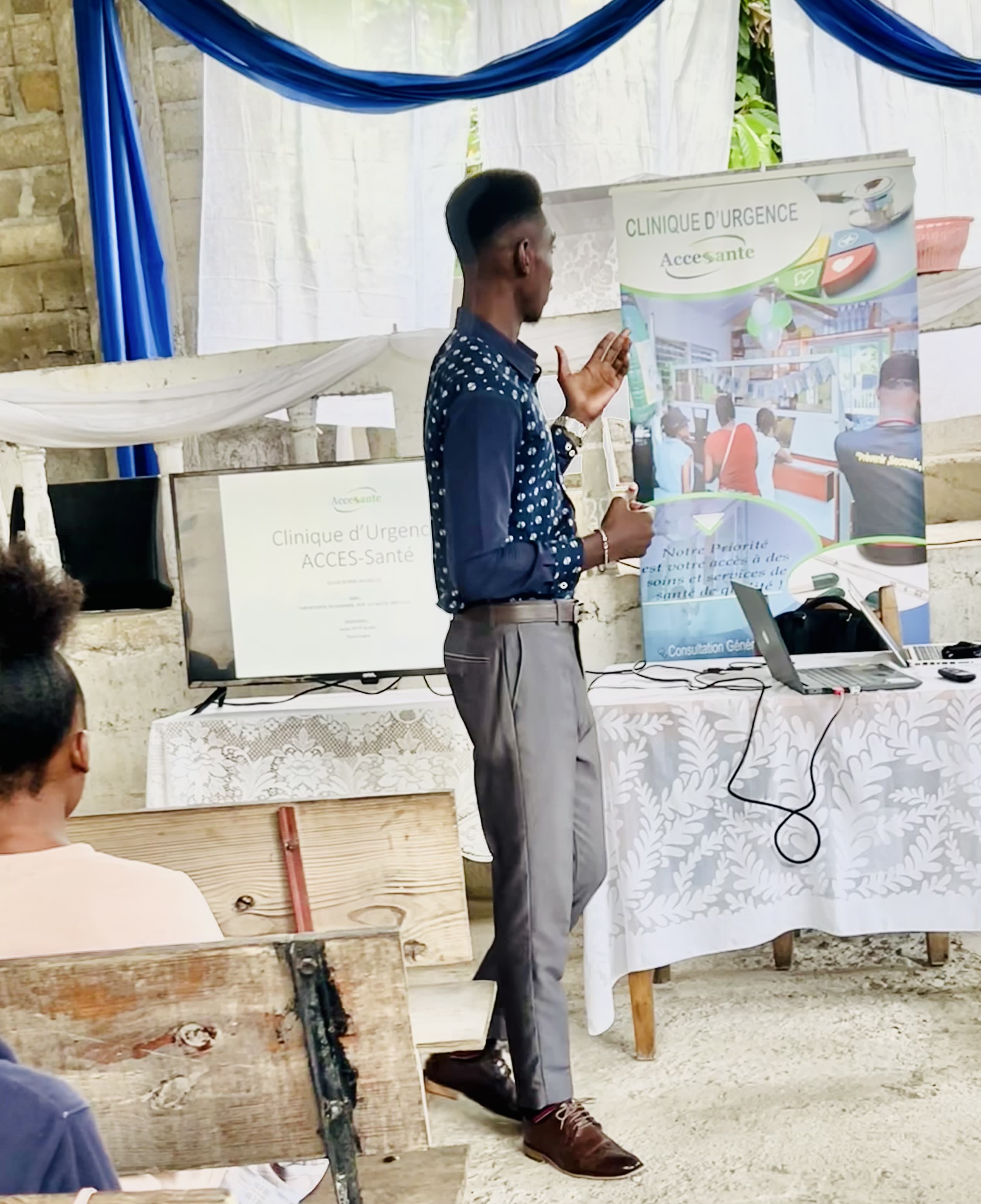
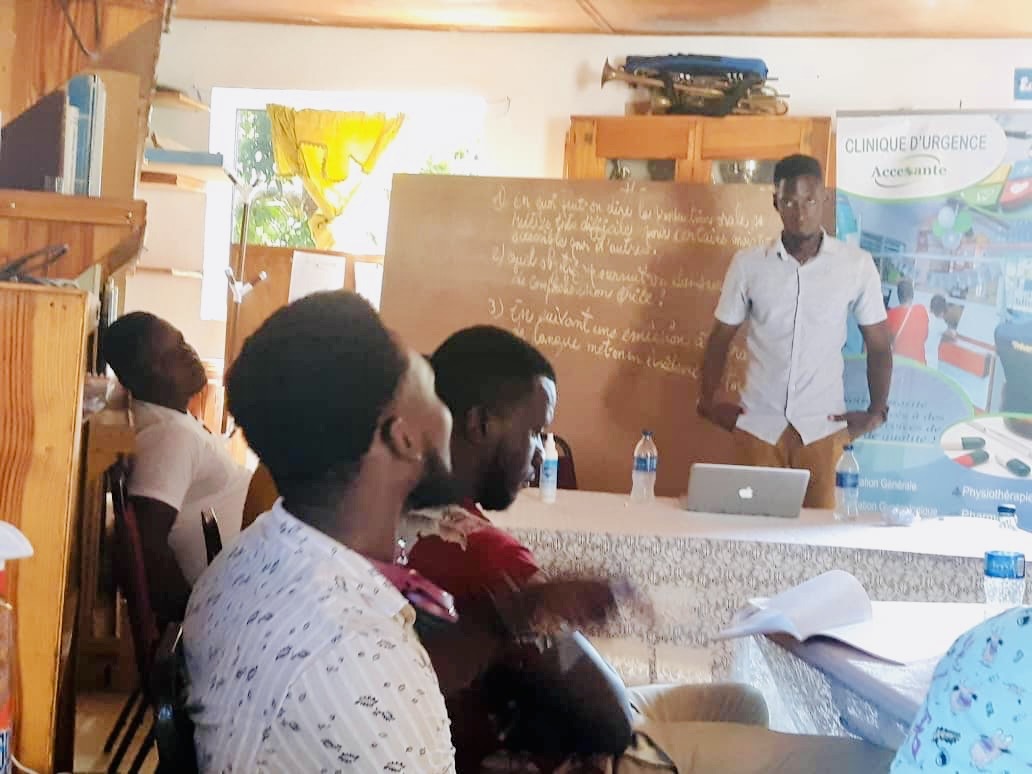
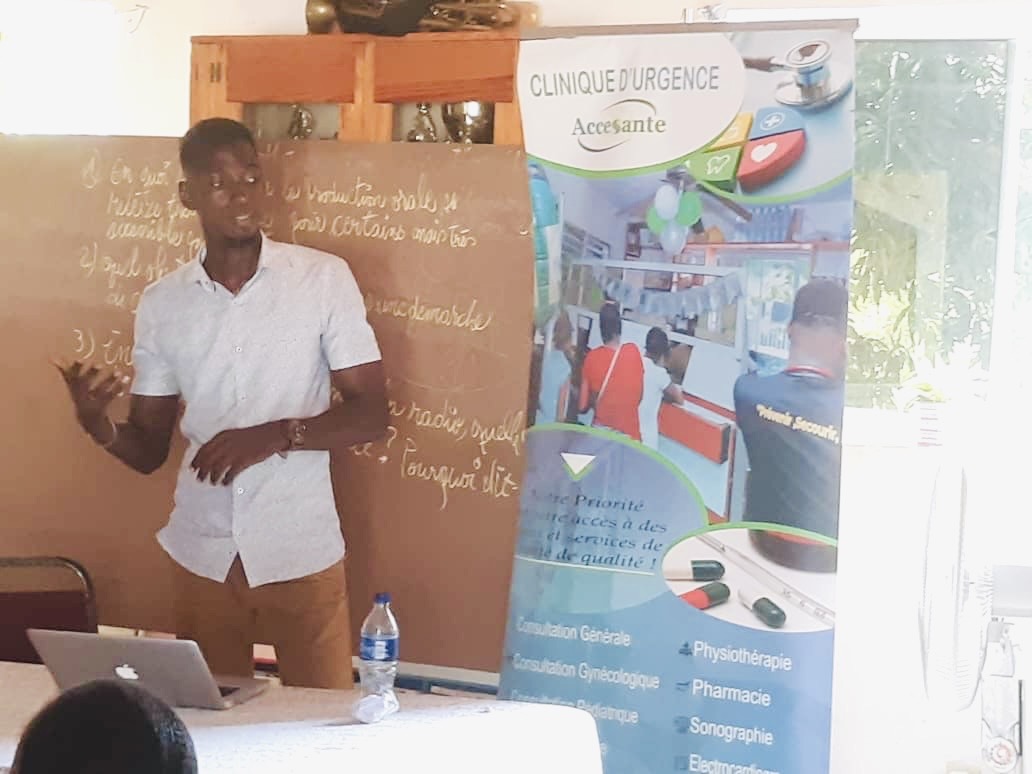
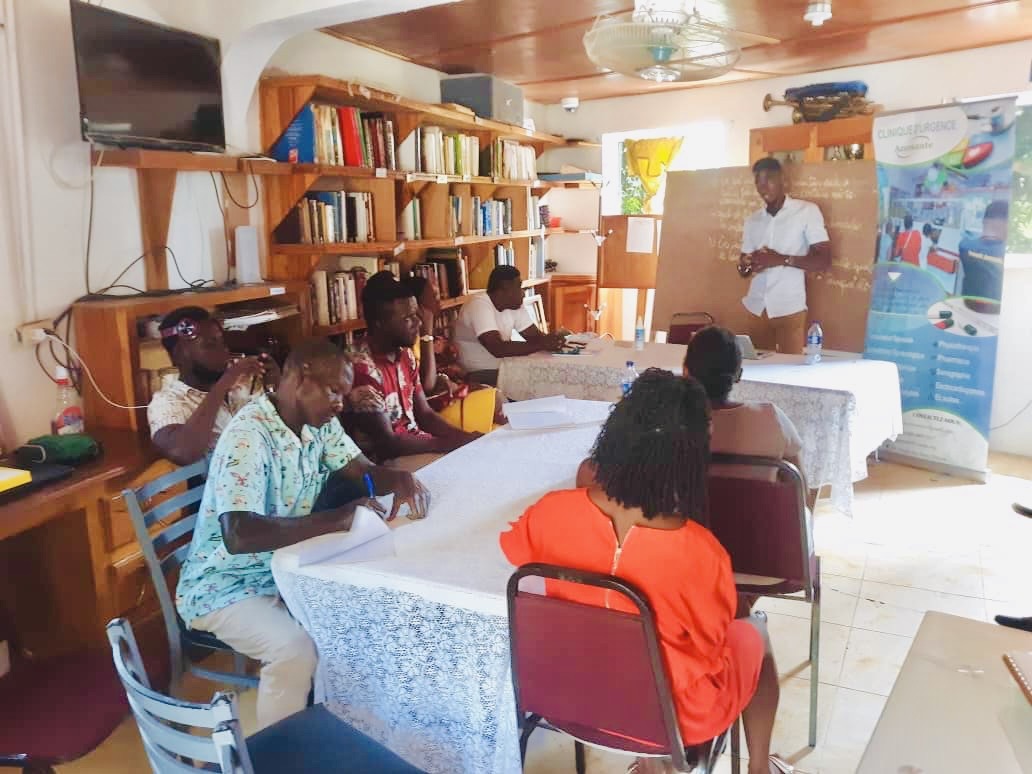
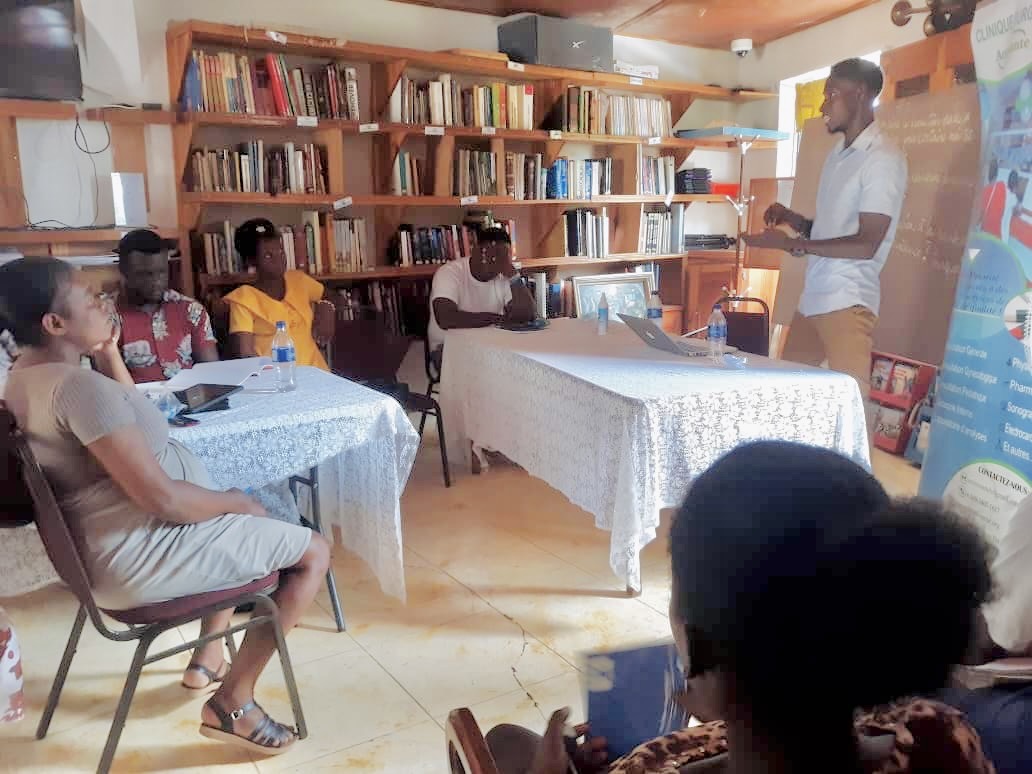
On September 28, 2024, the Accès-Santé Emergency Clinic organized a major educational training at the Child and Youth Development Center in Bory, expanding its mission beyond medical care to education and child development.
This initiative directly addresses teachers and educators who lacked structured tools to recognize and manage learning difficulties, a deeply felt need in the region.
By strengthening pedagogical skills, Accès-Santé helps create an educational environment where every child can progress and thrive harmoniously.
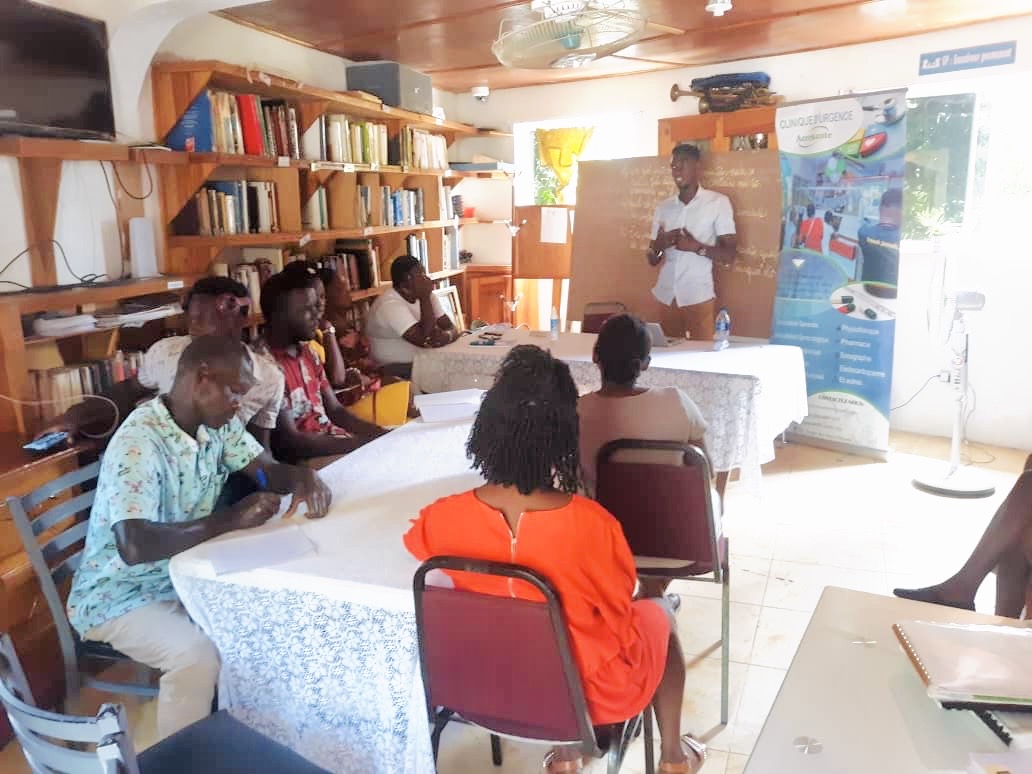
On September 28, 2024, a major pedagogical training was deployed at the Child and Youth Development Center (CEDEJ HA-0213) located in Bory, Lower Limbé. This action responds to a clear diagnosis: the lack of structured knowledge among the teaching team regarding the recognition and management of learning difficulties in children. Educators, though dedicated to their mission, lacked theoretical and practical tools to identify early warning signs and adjust their pedagogy according to each learner's specific needs. This training session provided the essential benchmarks enabling participants to transform their daily practice.
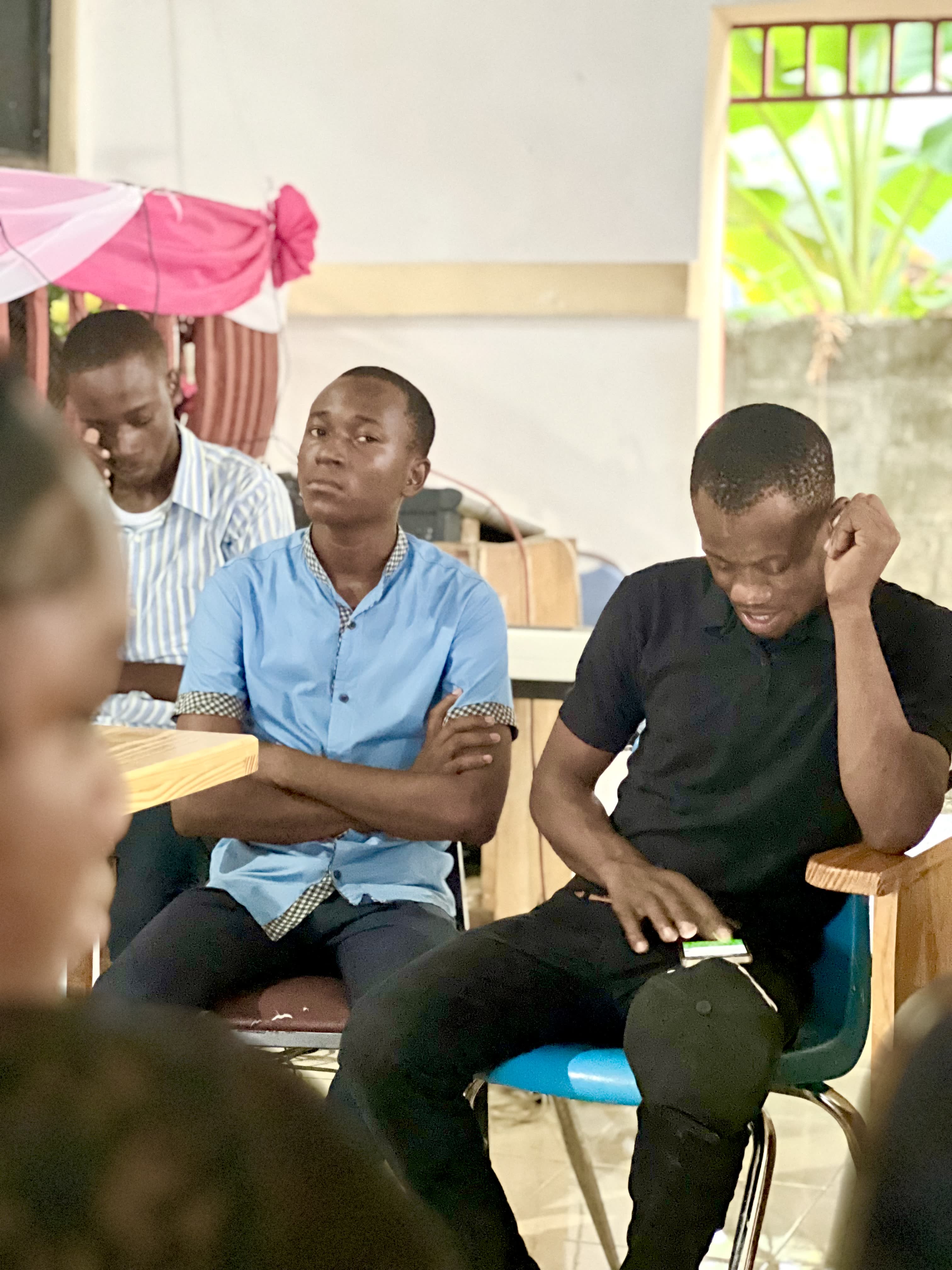
The active commitment of educators during this session created a collaborative and hopeful learning dynamic. Many participants recognized the immediate usefulness of the content transmitted, expressing their conviction that these new tools would transform their classroom approach. The atmosphere that prevailed at CEDEJ was one of an educational community aware of the importance of its role and determined to improve the outcomes of the children entrusted to its care. Exchanges between trainers and educators revealed a legitimate thirst for knowledge and a shared willingness to implement inclusive and compassionate practices.
Health is not limited to the absence of disease, but encompasses access to quality education and harmonious development of every child.
This training is of paramount importance for the children of the region and for the quality of educational life they experience daily. First, it addresses a concrete and disabling problem: the historical inability of teachers to identify children in difficulty early, which unnecessarily prolongs their school suffering and compromises their learning trajectory. By providing educators with detection and understanding tools, we create conditions for early and appropriate intervention, thus reducing risks of exclusion or school dropout. Furthermore, the training recognizes that learning difficulties stem not only from cognitive abilities but are influenced by complex individual, family, socio-economic and environmental factors. It therefore encourages a multidimensional approach that takes into account the whole child and respects their uniqueness.

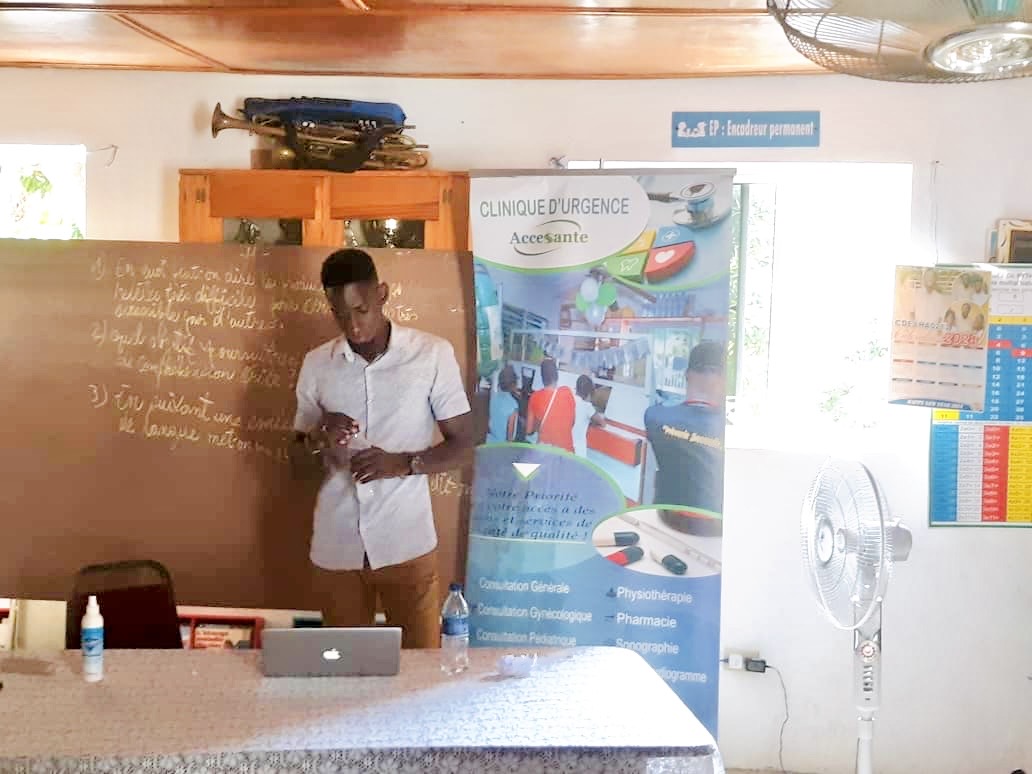



This initiative is fully in line with the DNA of the Accès-Santé Emergency Clinic, which conceives community health as an interconnected ecosystem where prevention, education and access to care mutually reinforce each other. By intervening with educators in Limbé, Accès-Santé recognizes that tomorrow's children will be those who benefit from appropriate and compassionate pedagogical guidance. The organization thus strengthens the bond of trust that unites it with the community, demonstrating its commitment to supporting not only sick patients but also to investing in building an environment conducive to the development of all. This preventive and proactive approach aligns with the principles of health promotion, where one recognizes that health determinants extend far beyond curative medicine.
The results of this training will be measurable in the coming months and years, through observation of changes in pedagogical practices and improvement in children's school well-being. But beyond quantifiable indicators, real success lies in transforming mindsets: that of an educational team aware that every child in difficulty deserves an adapted and compassionate response. Accès-Santé remains mobilized to support this momentum and continue its commitment to the communities of Limbé. With this training, a decisive first step has been taken, paving the way for better management of learning difficulties and, ultimately, a more promising future for all children in the region.