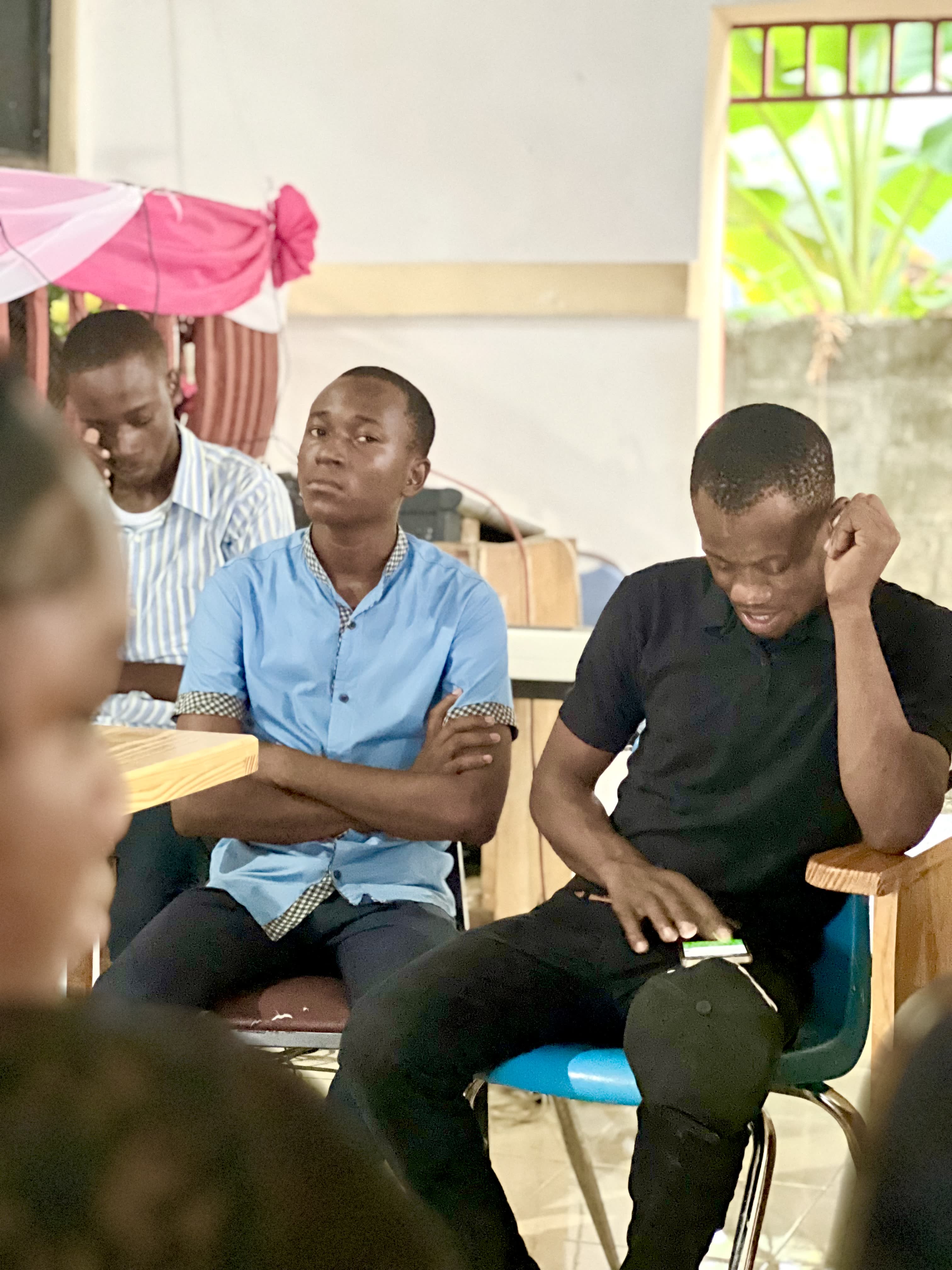
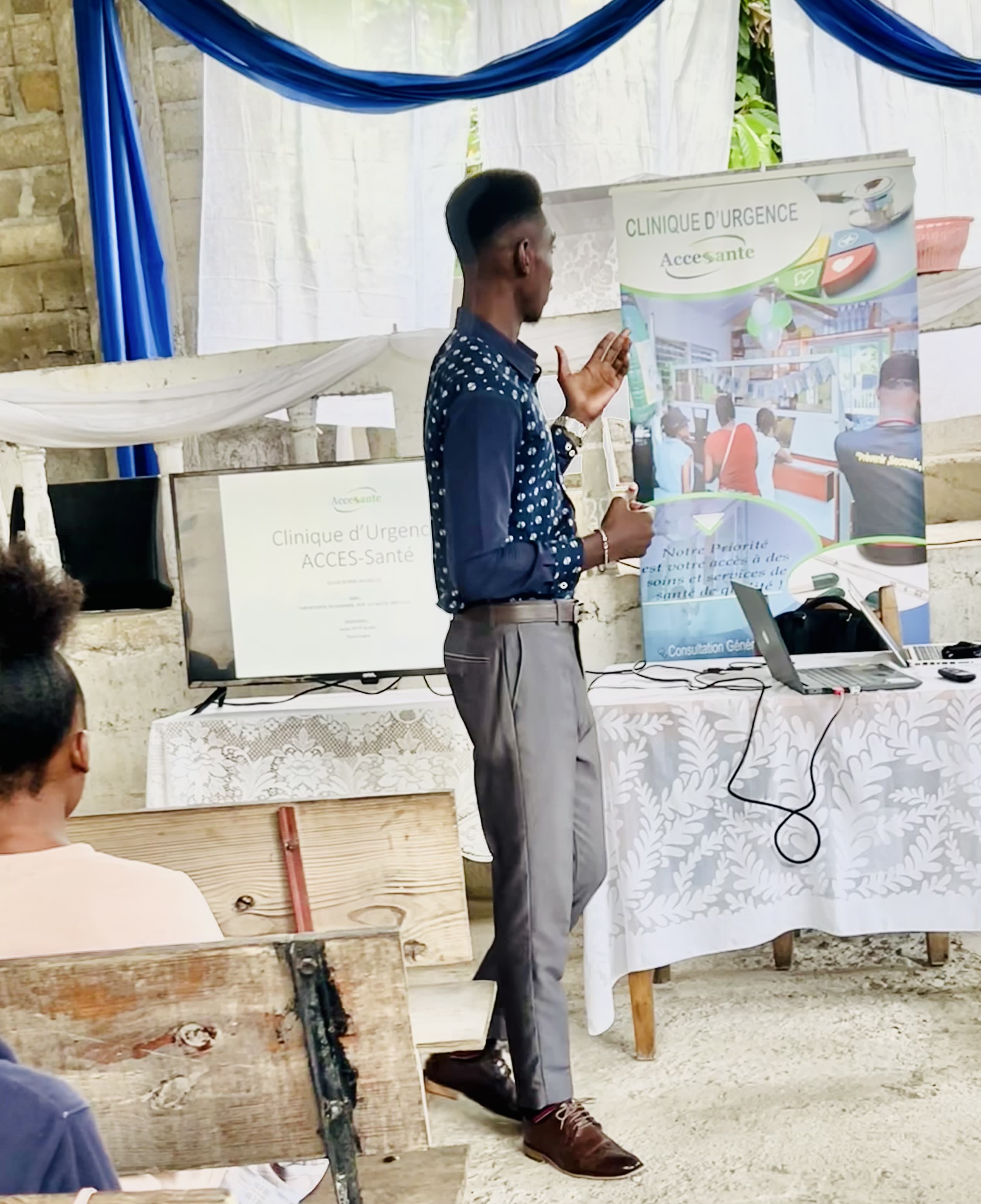
In Haiti, where insecurity and precarity create an environment conducive to psychological disorders, mental health remains largely taboo and misunderstood. The Limbé population, like many other communities in the country, suffers from a glaring absence of reliable and accessible information on this crucial dimension of wellbeing. It was in this context that the Accès-Santé Emergency Clinic decided to take a decisive step by organizing, on August 10, 2024, a major community training dedicated to mental health. Held at the heart of the community in collaboration with the Morija Adventist Church, this intervention represents far more than a simple informational session: it marks a turning point in the preventive health approach in Limbé.
Mental Health in Haiti: Accès-Santé Mobilizes the Limbé Community

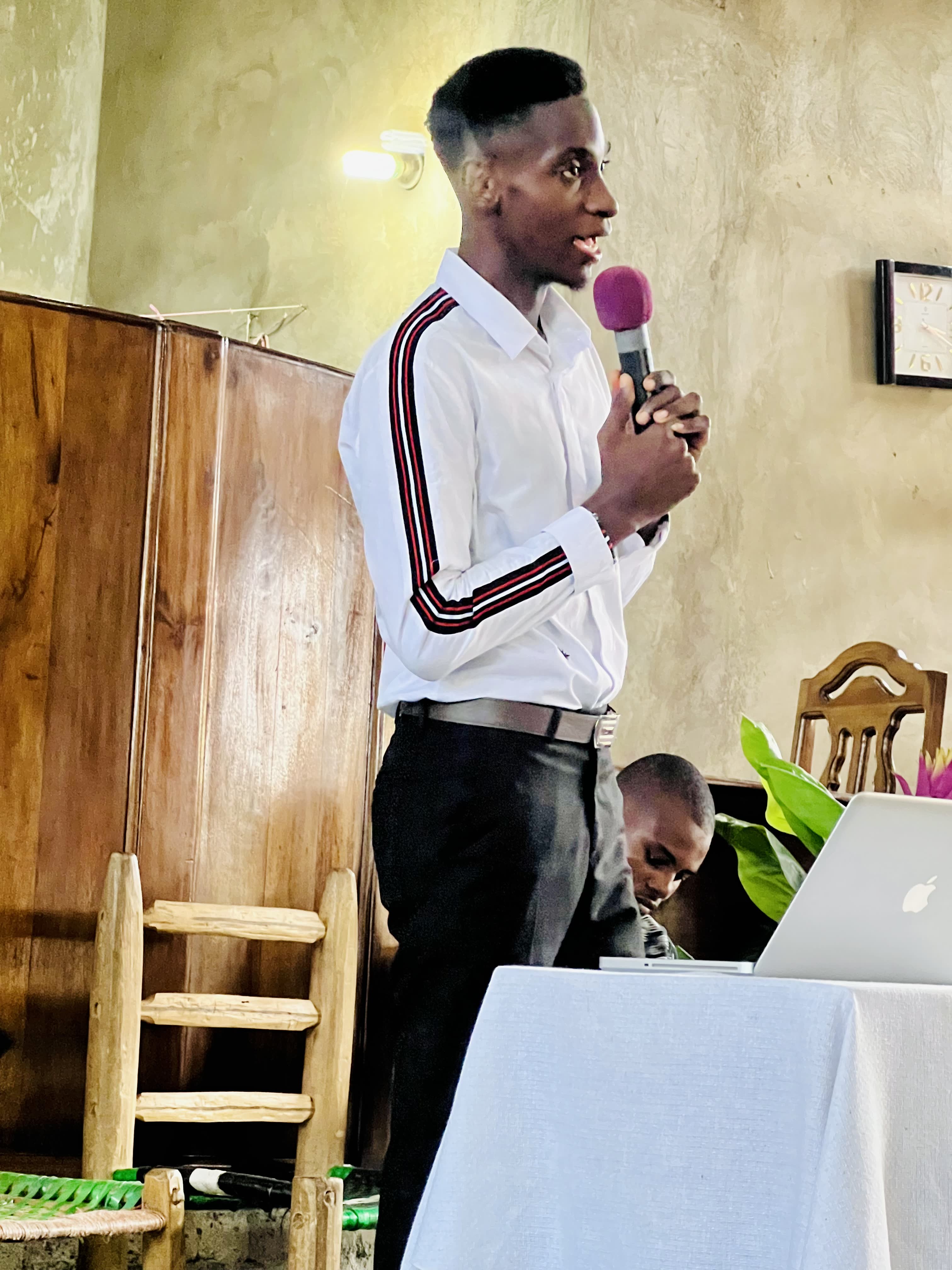
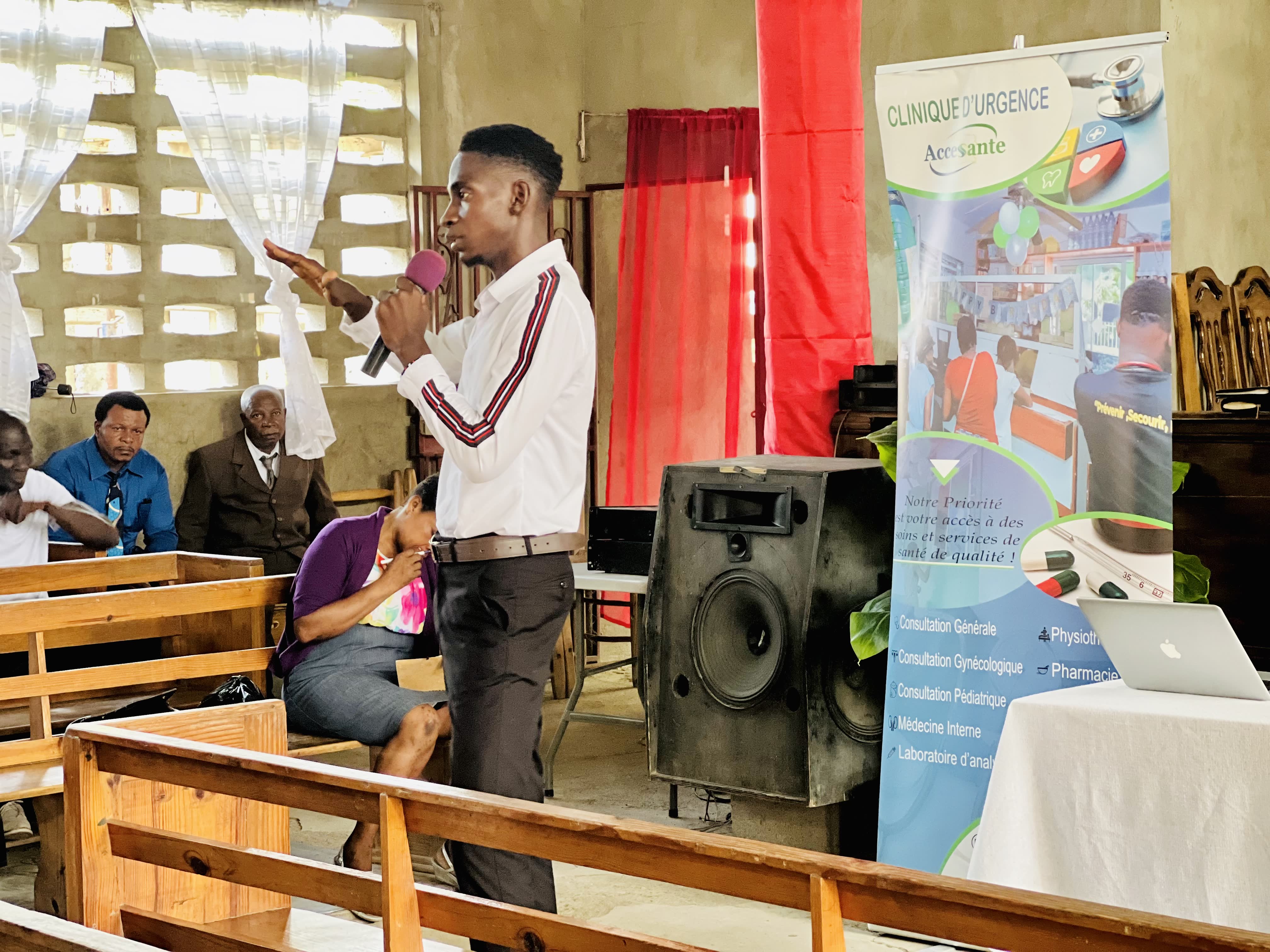
Le 10 août 2024, la Clinique d'Urgence Accès-Santé a organisé une formation décisive sur l'importance de la santé mentale dans la vie quotidienne à l'Église Adventiste Morija du Limbé. Cette initiative répond à un besoin crucial de vulgarisation en matière de santé mentale au sein d'une communauté confrontée à des défis multiples.
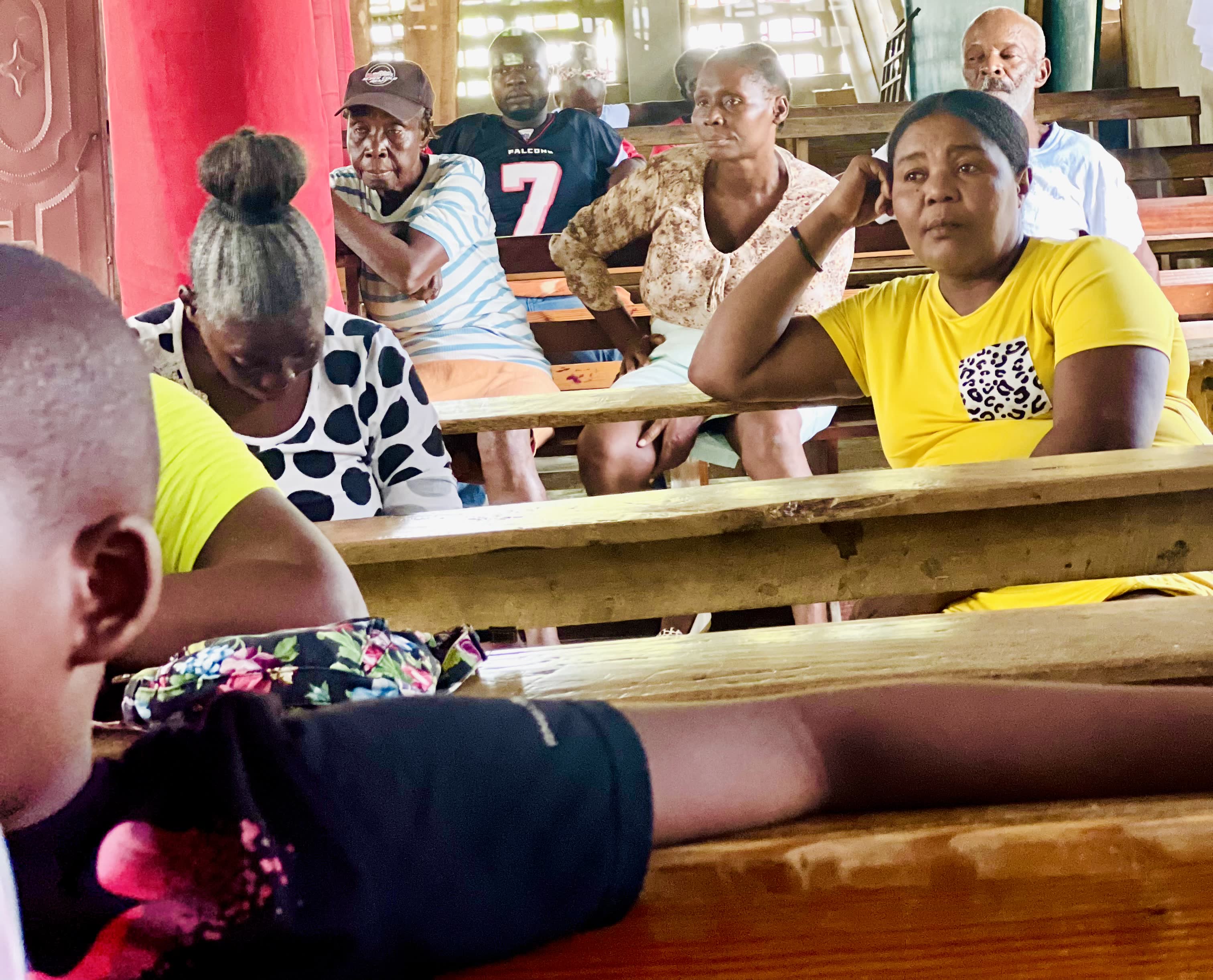
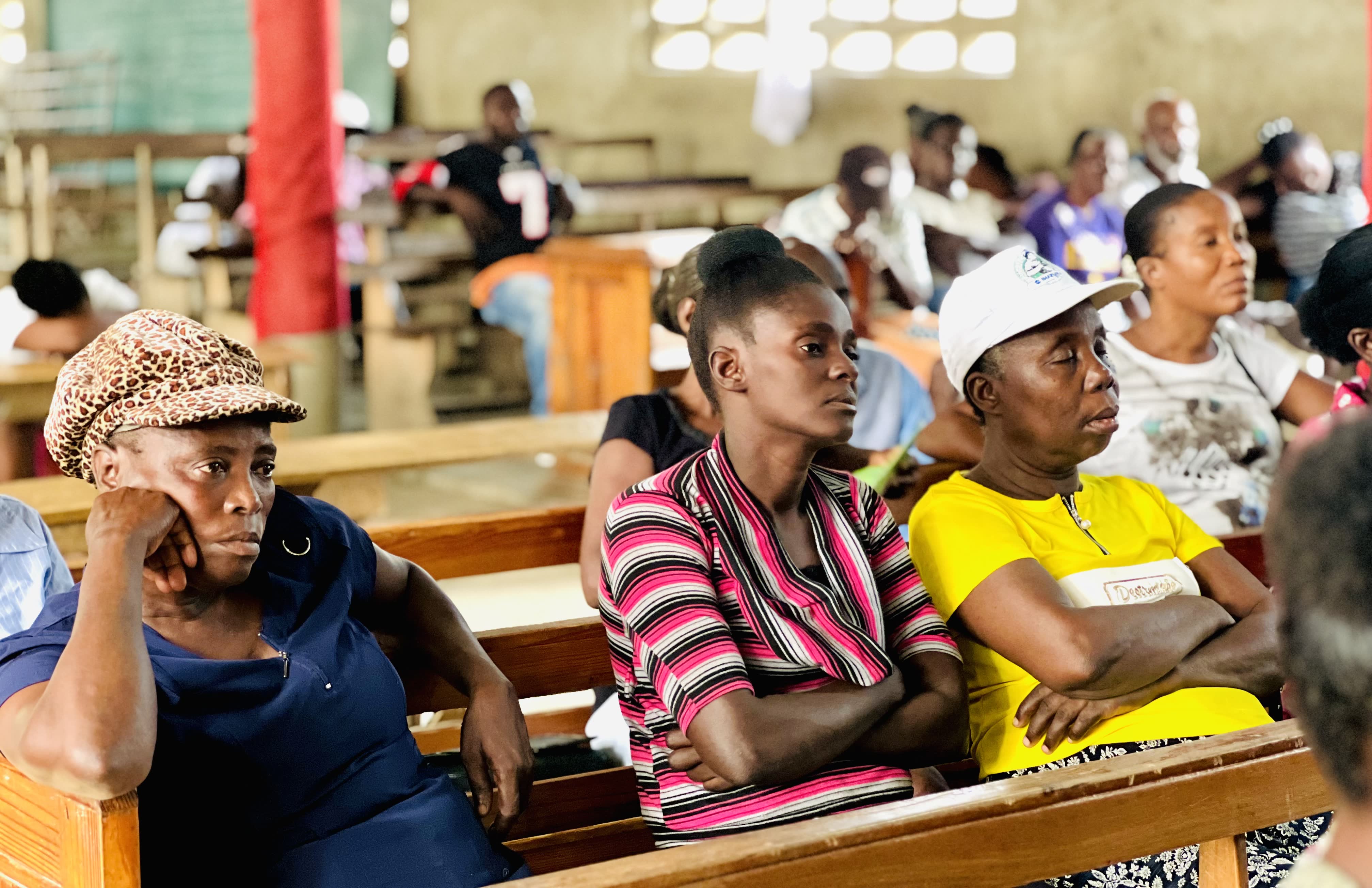
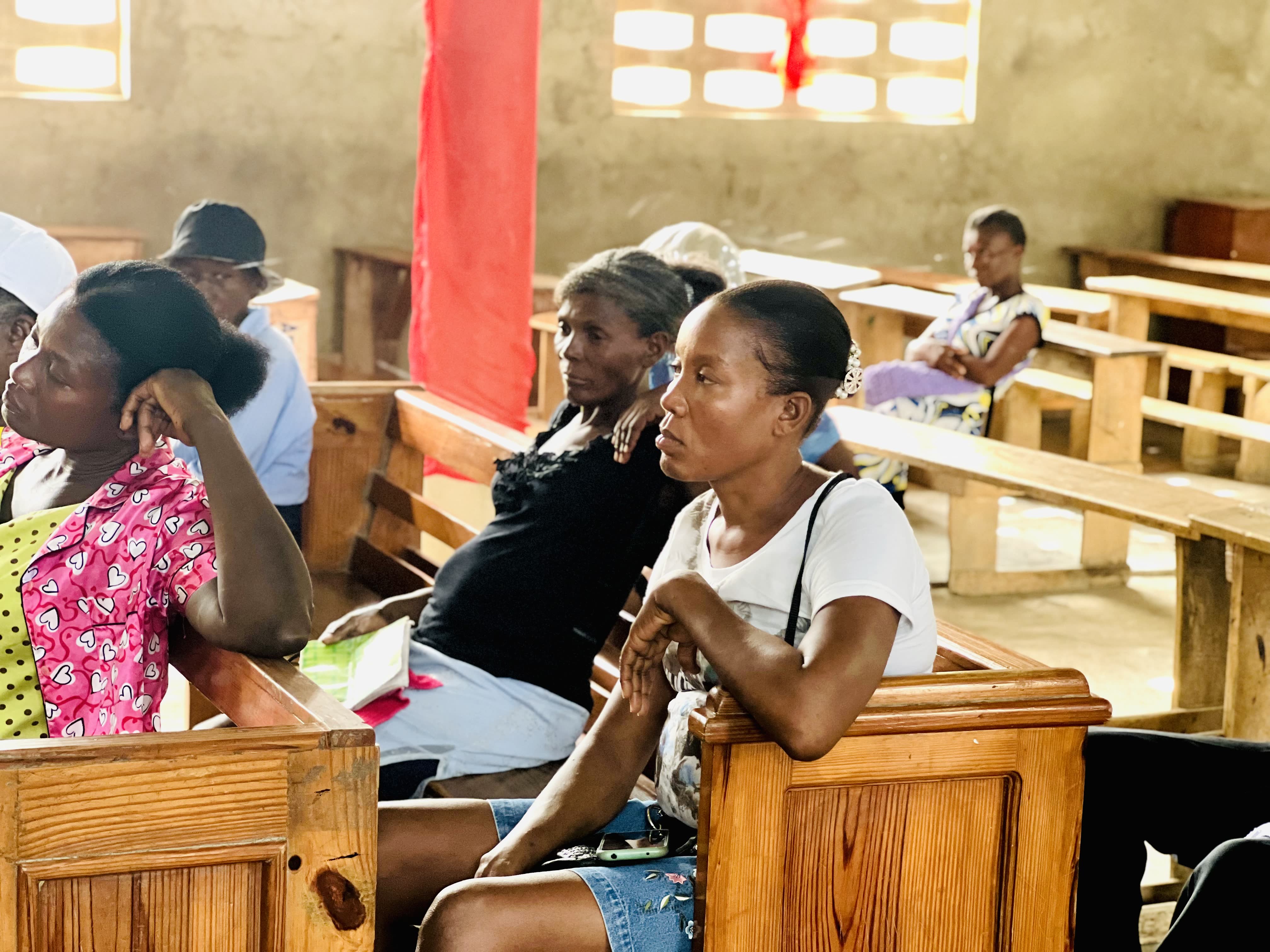
Quarante-cinq participants, âgés de 25 à 65 ans et vivant dans des conditions de vulnérabilité marquées par l'insécurité, la précarité économique et un accès limité aux soins, ont participé activement à cette séance de sensibilisation.
Accès-Santé poursuit son engagement envers la promotion d'une santé globale en outillant la communauté de connaissances essentielles pour prévenir les troubles psychologiques et développer des stratégies de bien-être durable.
The training, graciously hosted by the Morija Adventist Church, brought together a diverse and engaged audience representing different sectors of the Limbé community. During this intensive educational day, participants explored mental health fundamentals, learning to identify warning signs of psychological disorders and to understand the essential nuances between normal situational stress and pathological depression. Facilitators presented concrete and proven mechanisms for mental wellness self-management, allowing everyone to integrate accessible practices into their daily lives. Interactive exchanges fostered an environment of trust where questions could be asked freely, gradually breaking down the silences that traditionally surround mental health issues in the Haitian context.
The remarkable engagement of participants infused a positive dynamic throughout the training. Local residents, community leaders and church officials listened attentively, asked pertinent questions and shared their personal experiences with remarkable openness. This active participation created an atmosphere of co-learning where each person recognized themselves in the issues presented and could project themselves into the practical application of the proposed tools. The community engagement evident during this day confirmed a reality often overlooked: the Limbé population deeply aspires to understand and manage their mental health, and only awaits opportunities for access to reliable and contextualized information to mobilize actively.
Knowledge acquired transforms participants into active agents of their own mental health and prevention multipliers within their families and communities.
The strategic importance of this intervention lies in its ability to fill a major gap: the near-total absence of structured community knowledge about mental health and its central role in overall wellbeing. In Haiti, where a context of chronic insecurity and socio-economic precarity creates particularly conducive conditions for psychological disorders, this training constitutes a crucial preventive intervention. It enables residents to access reliable information on the clinical distinction between normal stress and clinical depression, on warning signs of psychological disorders, and on simple but effective mechanisms for self-management and strengthening mental wellness. These skills, once integrated into daily practices, progressively transform individuals into active agents of their own mental health and prevention multipliers within their family and community circles, thus creating a lasting multiplier effect.

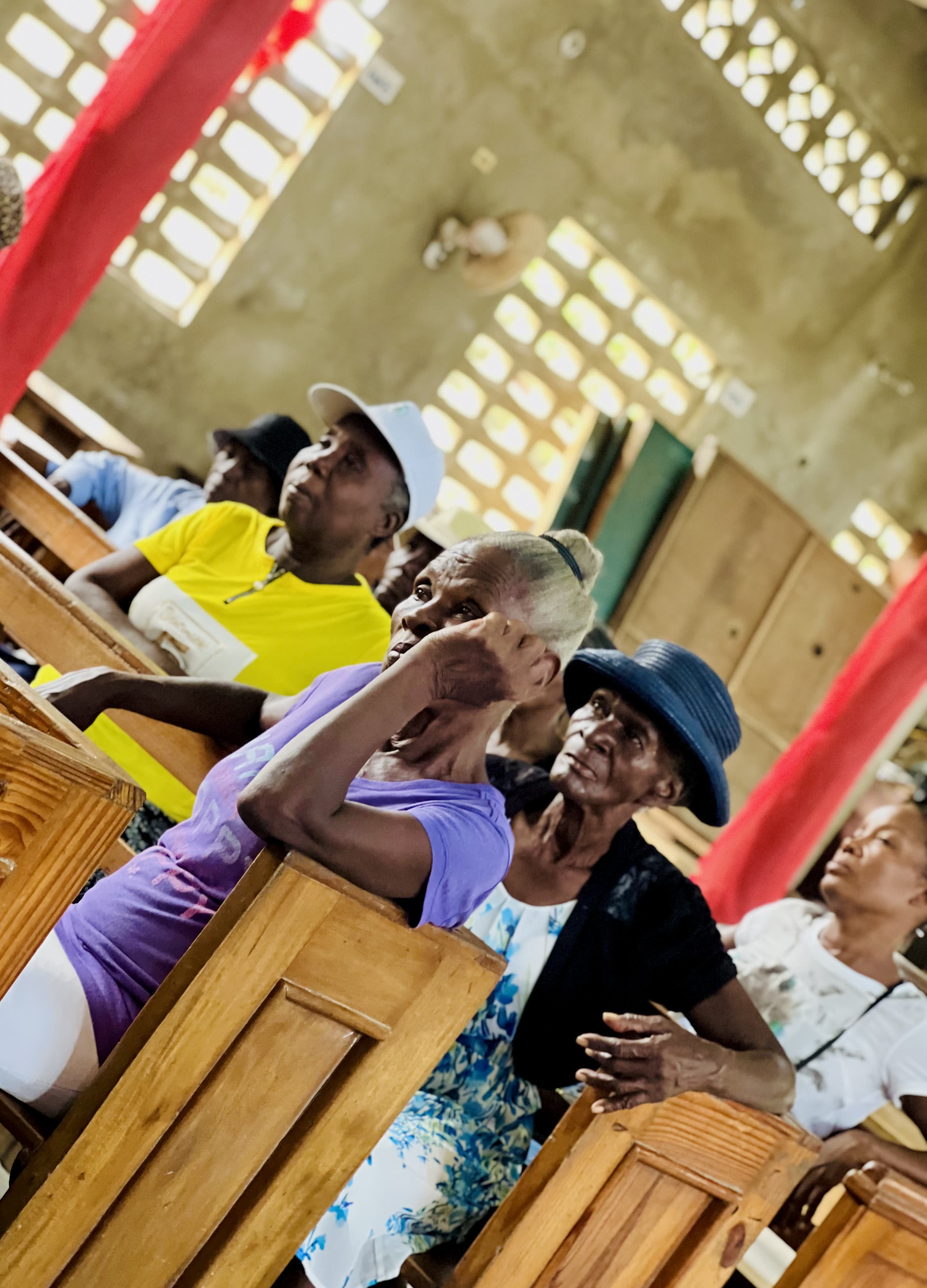






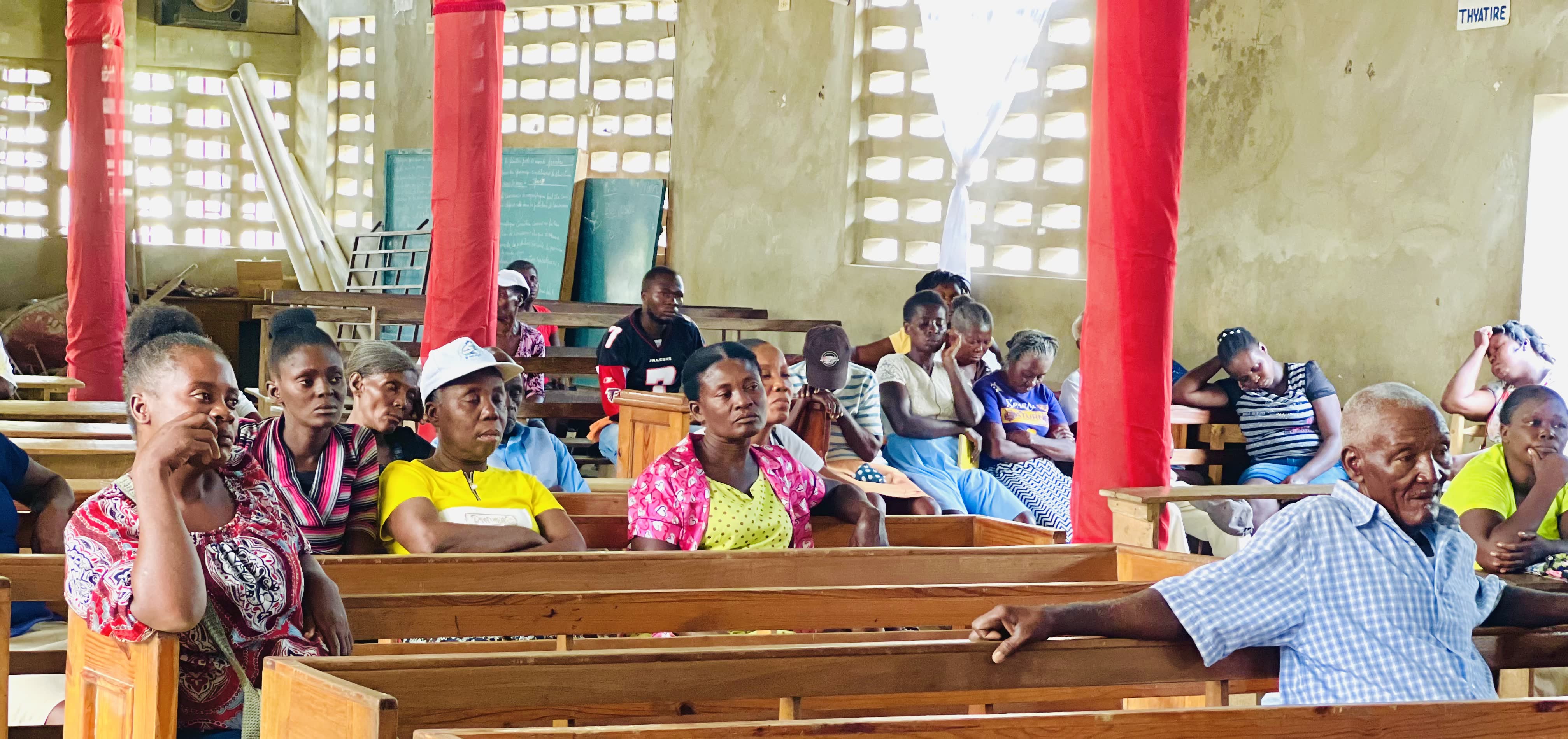

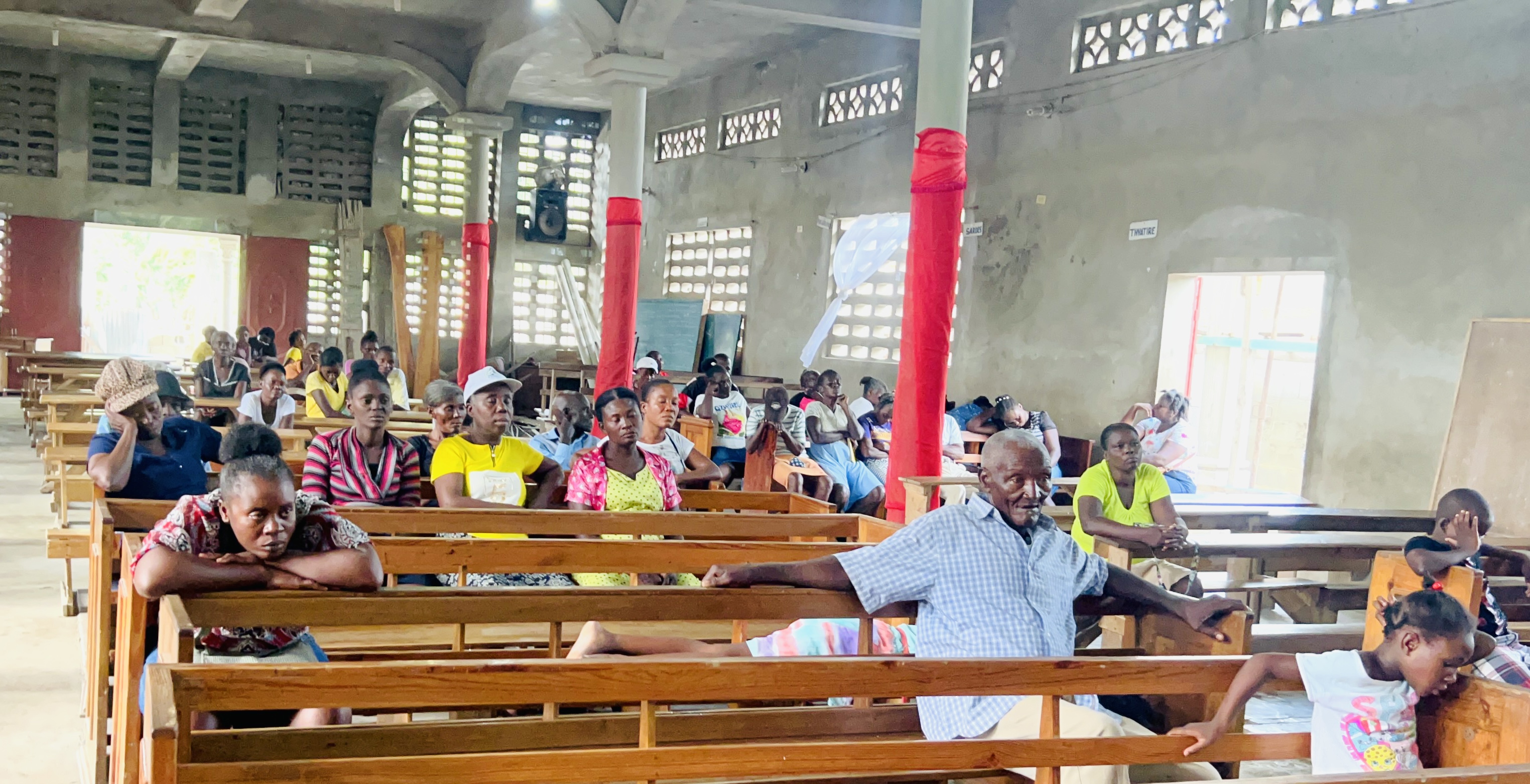
This intervention aligns directly with the core mission of Accès-Santé: to promote accessible, preventive and genuinely holistic health in service of the Limbé community. By organizing this training in close partnership with the Morija Adventist Church, the clinic strengthens a relationship of trust and proximity with a major institution deeply rooted in the region. This strategic collaboration significantly increases Accès-Santé's visibility within the community fabric, while concretely demonstrating the organization's firm commitment to an integrative and preventive approach to health, far beyond curative care alone. By investing in health education and prevention, Accès-Santé contributes to progressively transforming community perceptions, knowledge and practices regarding mental health, laying the foundations for a sustainable culture of prevention.
The tangible results of this training will be measured in the coming weeks and months, through conversations that will emerge in households, shifts in attitudes toward psychological disorders, and most importantly, the progressive creation of increased community demand for quality mental health services. The success of this August 10, 2024 event opens promising prospects for Accès-Santé: strengthening this partnership with the Adventist Church, intensifying prevention and education interventions, and progressively transforming Limbé into a genuine local champion of mental health in Haiti. This community mobilization around mental health demonstrates that change is possible, that prevention is effective, and that when local populations receive accurate information, they actively mobilize to transform themselves. This is the sustainable foundation upon which Accès-Santé continues to build its future in service to all.