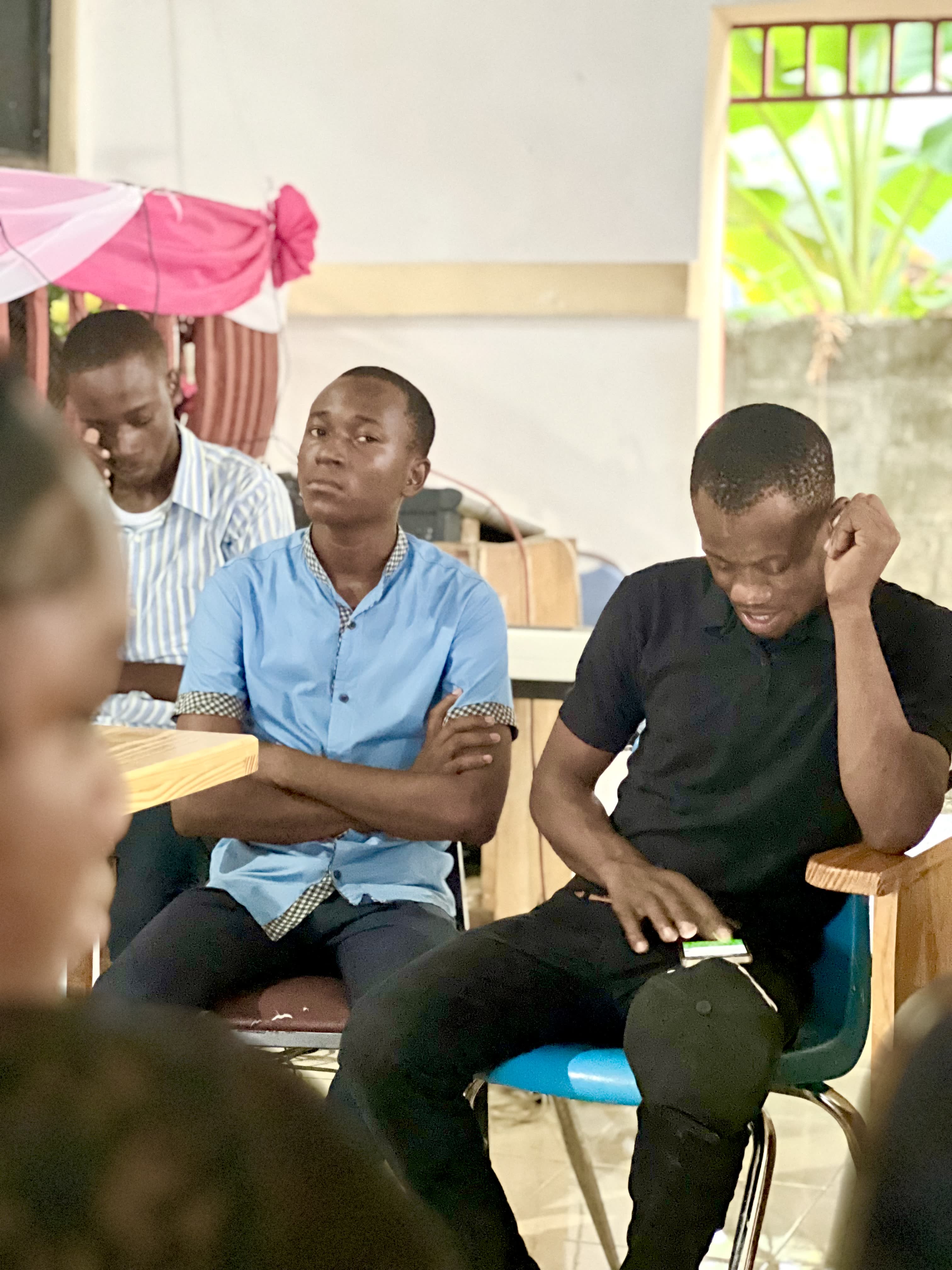
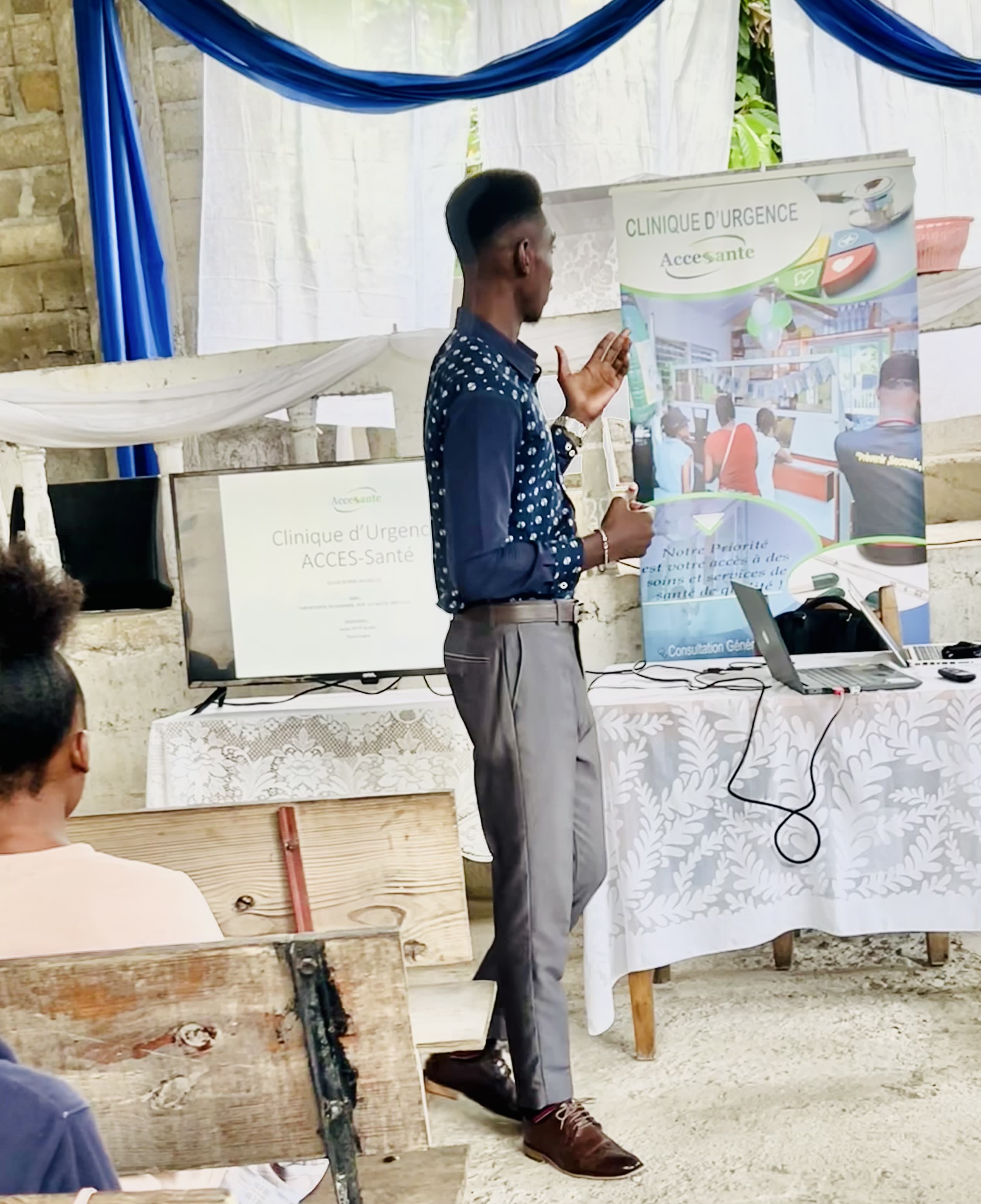
On August 25, 2024, Accès-Santé Emergency Clinic took a major step in its community commitment by organizing a comprehensive training session on mental health and resilience for young people in Limbé. Hosted by GVCM Christian Church, a strategically chosen venue for its accessibility and importance in the local social fabric, this session brought together significant youth participation eager to better understand the psychological challenges permeating their daily lives and their community. Far from being merely theoretical, this training was positioned as a proactive approach to prevention and health education—two essential levers of the public health model that Accès-Santé has championed since its inception.
Youth mental health: Accès-Santé raises awareness in Limbé on resilience

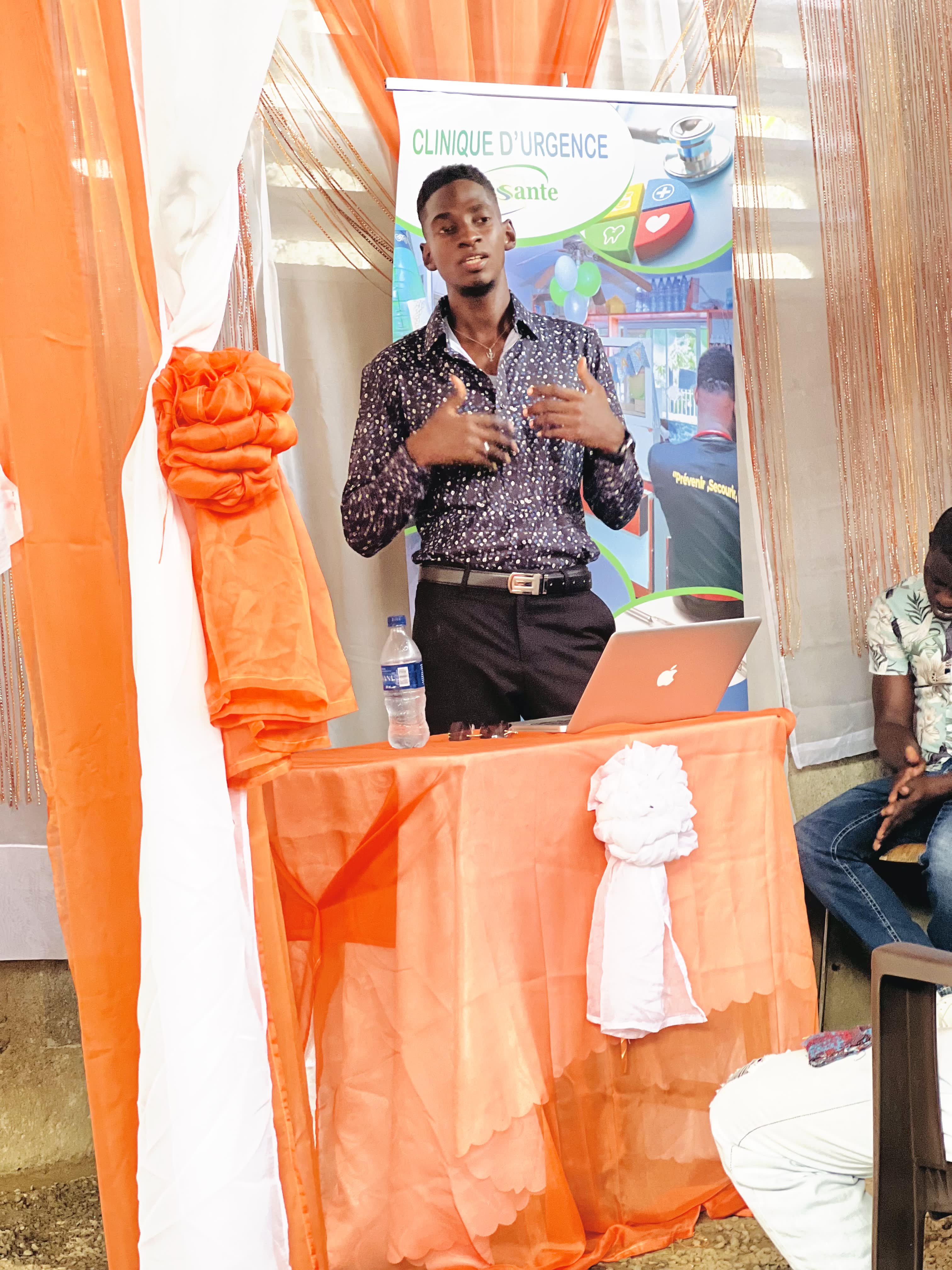
On August 25, 2024, Accès-Santé organized a major training session at GVCM Christian Church in Limbé, mobilizing young people from the community around crucial mental health and psychological well-being issues. For 90 minutes, facilitators guided participants through a progressive exploration of fundamental health concepts, critical analysis of the country's socioeconomic situation, and the mechanisms of stress and depression.
This initiative aims directly to strengthen community resilience by transforming young people into mental health ambassadors within their families and peer networks. It aligns faithfully with Accès-Santé's core mission: promoting equitable access to quality health education for vulnerable populations.
The general objective is to cultivate a collective culture of psychological well-being, going beyond crisis treatment to prevent disorders and strengthen local social capital.
Organized over 90 minutes of remarkable pedagogical intensity, the training followed a carefully designed architecture enabling participants to progress gradually from general to specific. Facilitators first introduced the fundamental concepts of health and mental health, establishing the conceptual foundations essential for subsequent understanding. The session then deepened with a critical analysis of the country's current socioeconomic and psychological situation, helping young people contextualize their personal experiences within a broader framework. The themes progressively refined toward exploring the various manifestations of the existential crisis traversing Haitian society, before examining the physiological and psychological mechanisms of stress and depression. This intelligent pedagogical progression allowed participants to link major societal challenges to their daily realities, transforming abstract concepts into concrete tools for self-understanding and world comprehension.
The mobilization of Limbé youth exceeded expectations, reflecting a genuine community appetite for open dialogue spaces on mental health. Participants actively engaged in discussions, asking pertinent questions and sharing personal concerns in an atmosphere of trust and compassion cultivated by the Accès-Santé team. This authentic participation transformed the session into a genuine community dialogue rather than mere one-directional knowledge transmission. The atmosphere at the venue reflected a thirst for understanding and a collective will to transform the relationship young people maintain with their own mental health and that of their loved ones. The discussions highlighted that many young people had carried these questions in silence, waiting precisely for an opportunity to express and explore them in a secure and professional setting.
Accès-Santé commits to continuing this type of awareness activity, knowing that prevention and education are powerful levers for social change, building with Limbé's youth a more conscious, more resilient, and more compassionate community toward mental health issues.
The importance of this training lies in its capacity to directly address a public health issue insufficiently tackled in high-precarity contexts like Limbé. Chronic stress linked to difficult socioeconomic conditions, existential crises born from uncertainty, and depression—often marginalized or misunderstood—constitute realities profoundly affecting young people's quality of life. By equipping participants with critical understanding of these phenomena, the training helps them recognize that these experiences are not signs of personal weakness, but legitimate human realities deserving attention and professional care. Benefits extend far beyond the training room: each sensitized young person becomes a potential vector of change, capable of engaging more openly with family, friends, and environment on subjects long considered taboo. This awareness contributes to destigmatizing mental health and normalizing recourse to professional help in a community where these concerns remain often hidden.

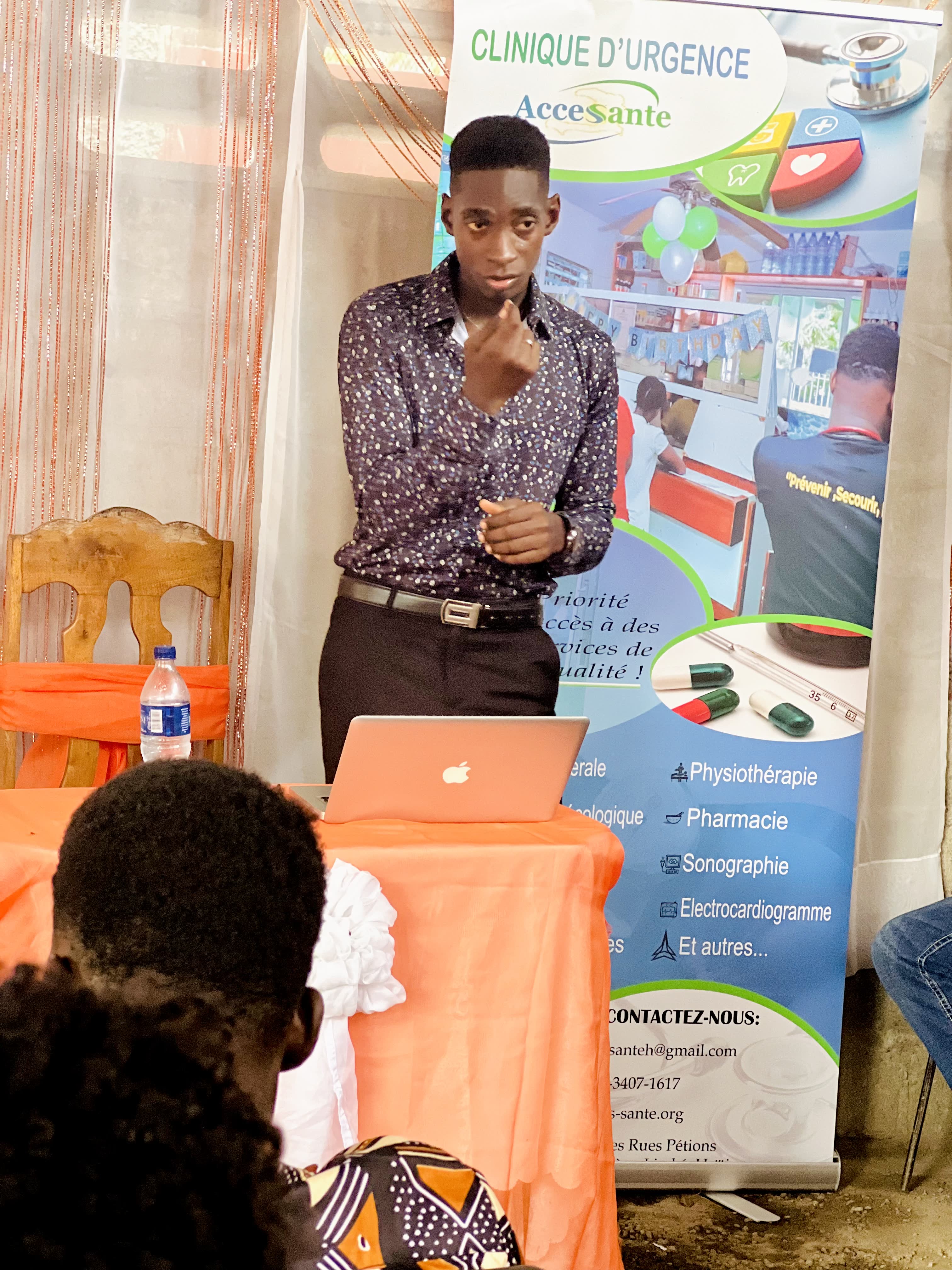

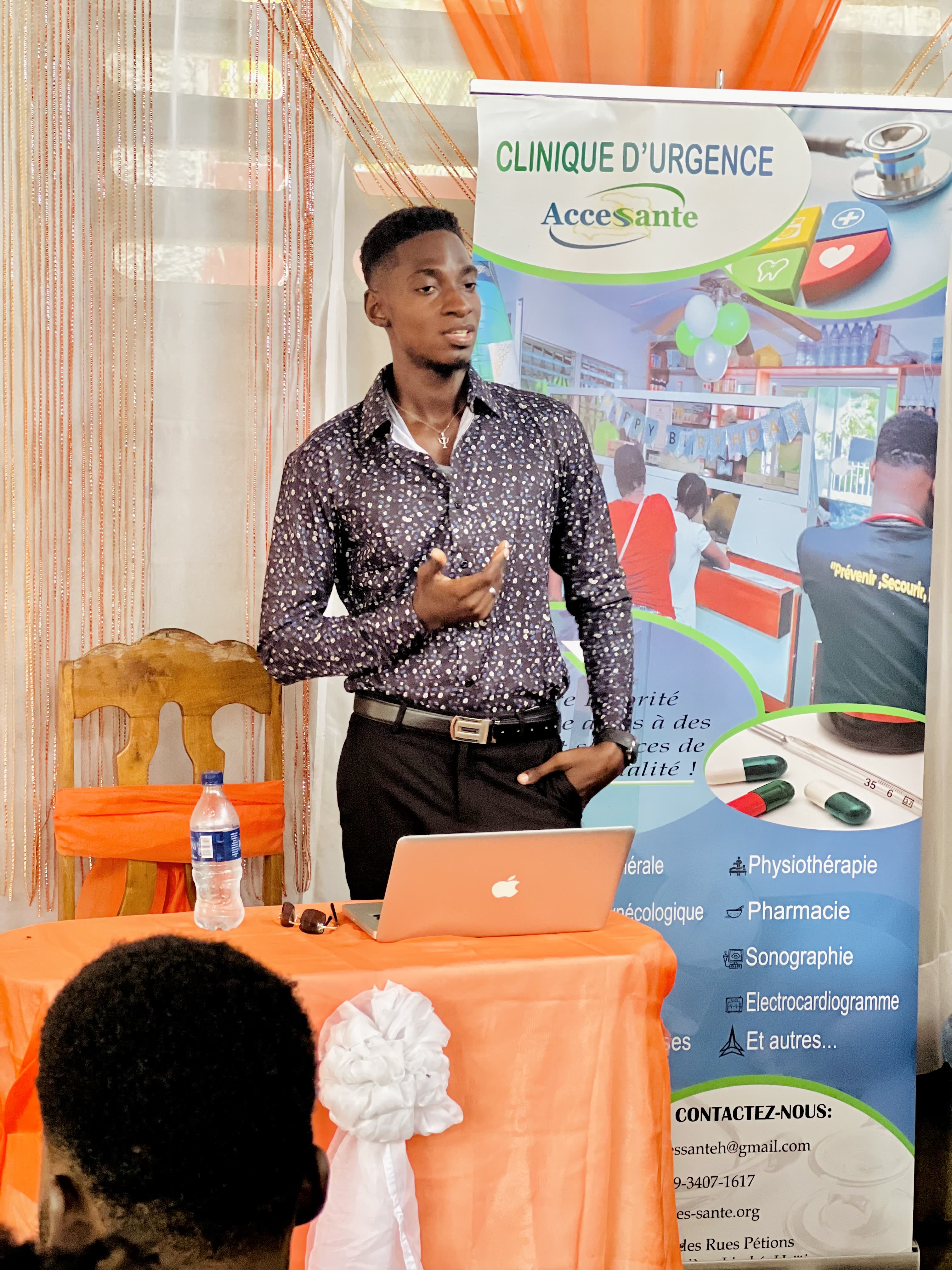
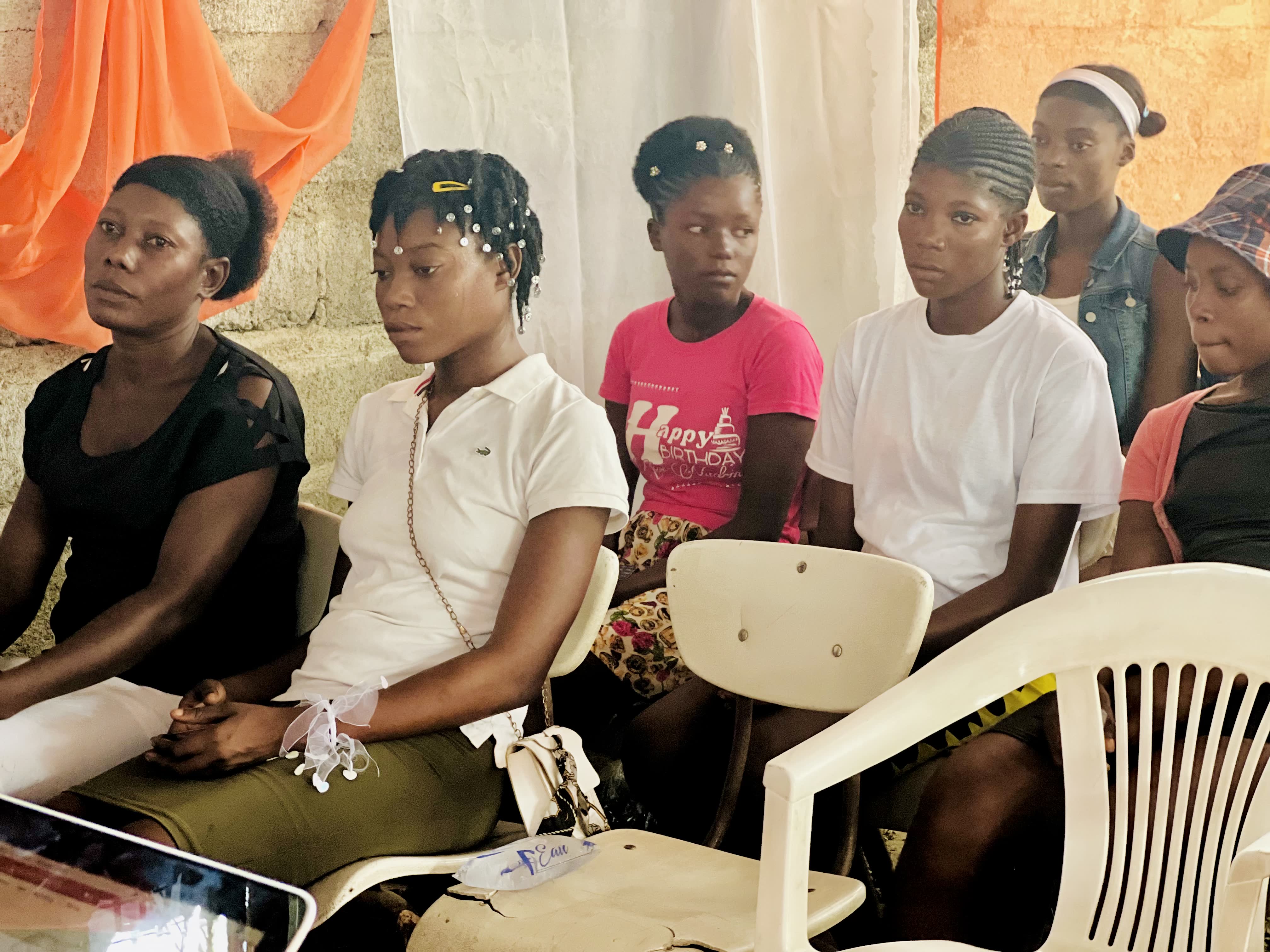
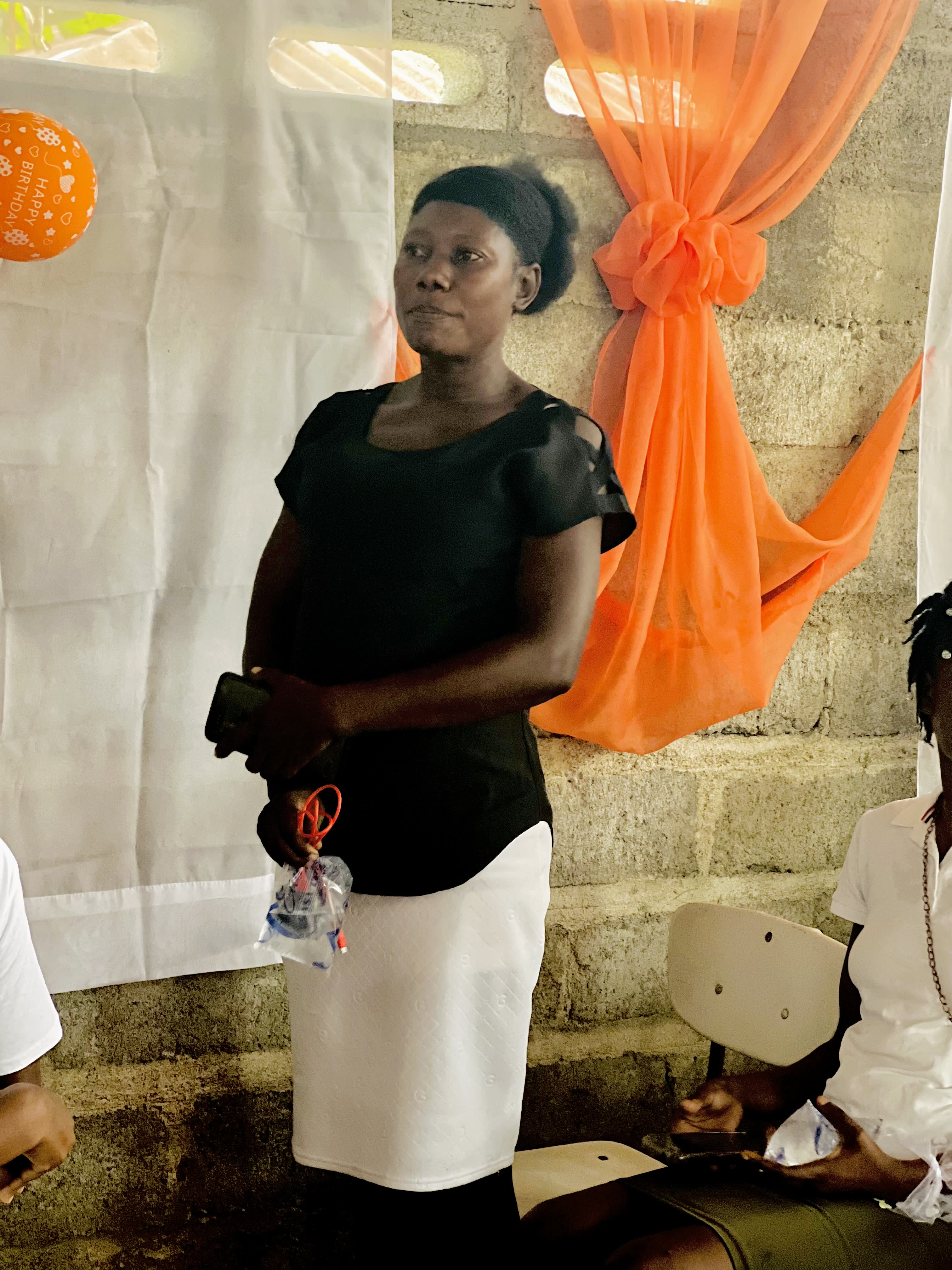

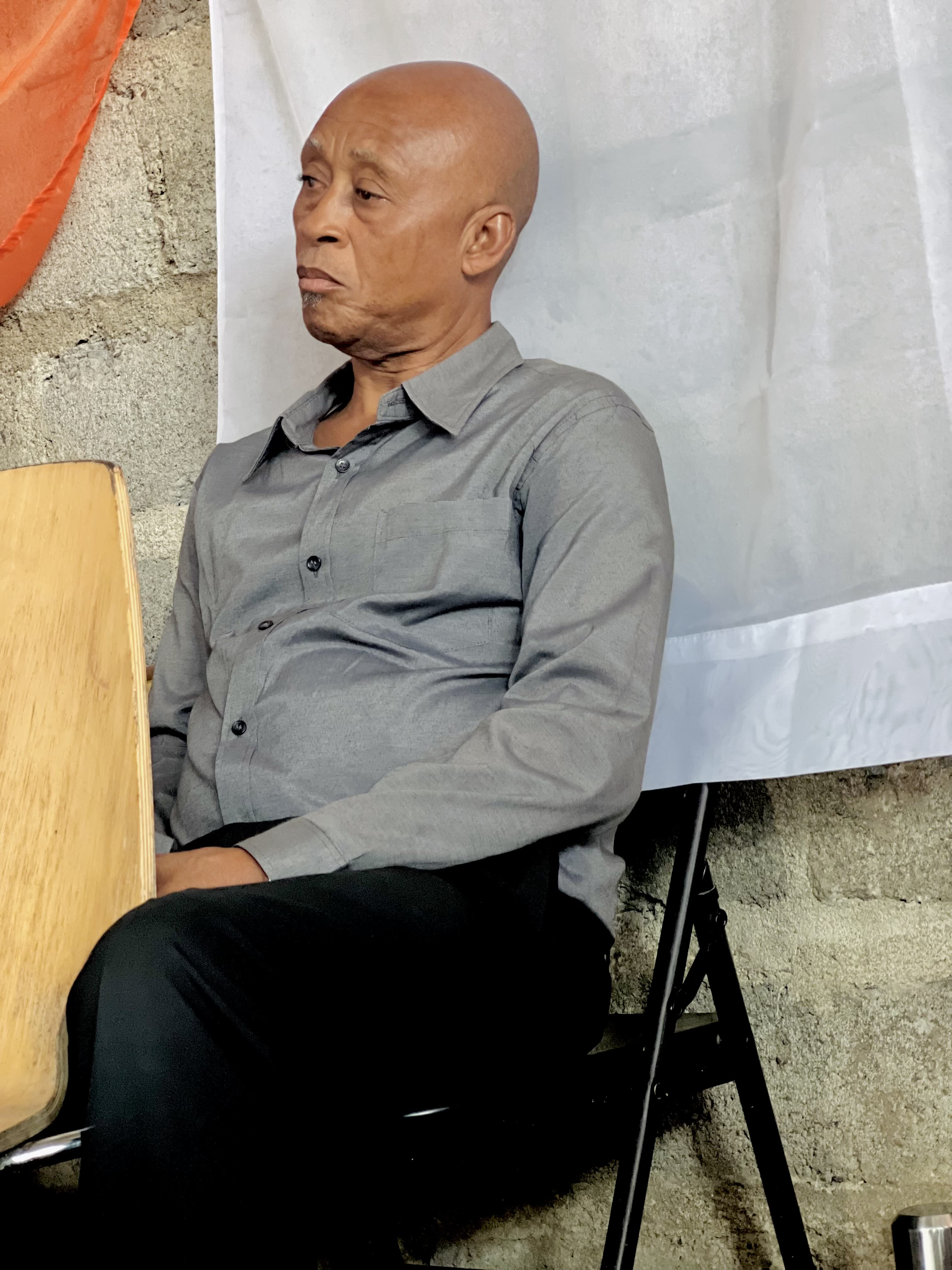


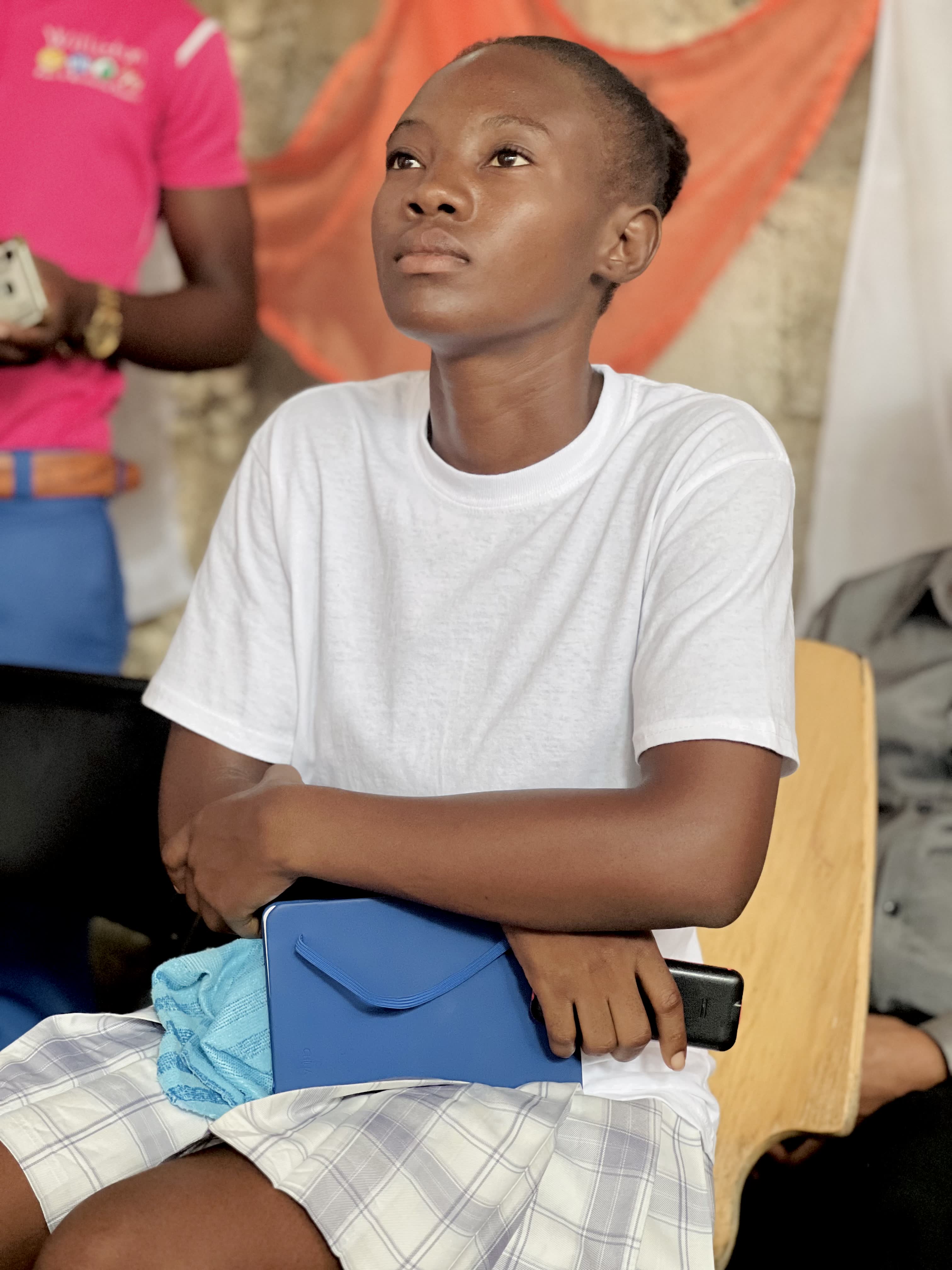


This initiative naturally fits at the heart of Accès-Santé's fundamental mission: promoting equitable access to quality health services and education for vulnerable populations in Limbé. By stepping outside clinic walls to reach young people where they gather, Accès-Santé strengthens its preventive and community presence, deliberately going beyond crisis management to cultivate a culture of sustainable psychological well-being. This training represents a strategic investment in strengthening local social capital: by equipping young people with critical understanding of psychological and societal challenges, they become potential mental health ambassadors to their families, peers, and networks. This multiplication of awareness vectors creates a collective improvement dynamic far exceeding the immediate impact of a single session. Accès-Santé recognizes that genuine social transformation is born in these dialogic spaces.
The results of this training far surpass simple participation numbers to translate into a conscious movement of transformation in the relationship young Limbé people maintain with their own mental health and that of their community. Each participant leaves this session enriched with concrete tools, appropriate vocabulary, and new perspectives enabling them to recognize stress, depression, and existential crises not as signs of personal weakness, but as legitimate human realities deserving attention, compassion, and professional care. This inner transformation, though difficult to measure immediately, constitutes the seed of change that will gradually germinate within each family, friend group, and living space. Accès-Santé firmly commits to continuing and amplifying this type of awareness activity, convinced that prevention and health education are powerful and lasting levers of social change. Together, with Limbé's resilient youth, we are building a community more conscious of its challenges, more capable of responding to crises, and more compassionate toward the human fragilities characterizing existential experience.