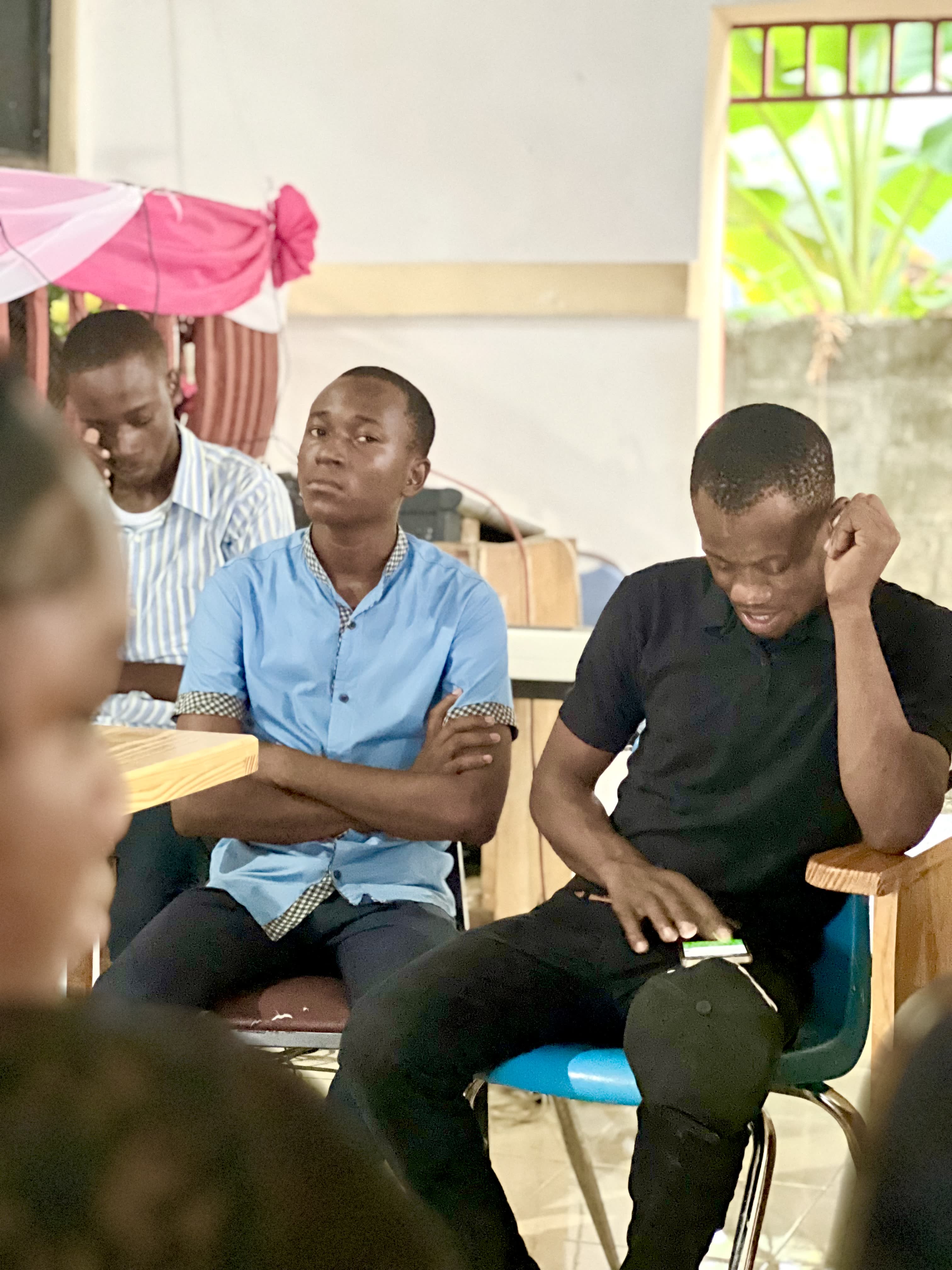
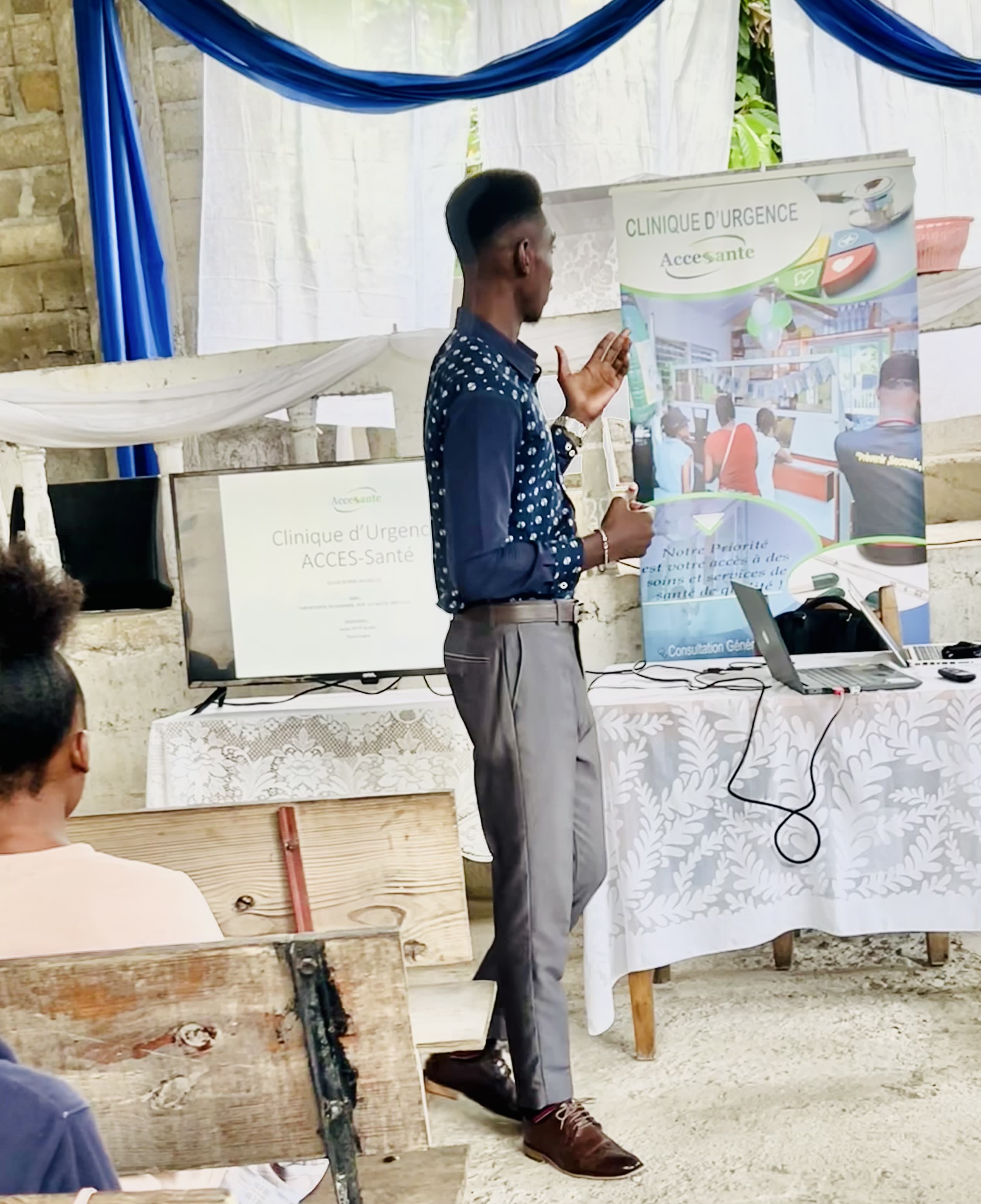
Haiti is experiencing a period marked by socio-economic and security turbulence that profoundly impacts the social fabric and psychological well-being of its inhabitants. Faced with this complex reality, Accès-Santé Emergency Clinic in Limbé recognized the urgency of structured and coordinated action around mental health. Indeed, persistent insecurity, widespread economic precarity, and limited access to appropriate health services create an environment where individuals and families must navigate multiple daily challenges, often without adequate resources. It was with this conviction that the clinical team mobilized to organize, on August 24, 2024, a major training aimed at placing mental health at the heart of community concerns.
Mental Health in Limbé: Accès-Santé Takes a Decisive Step

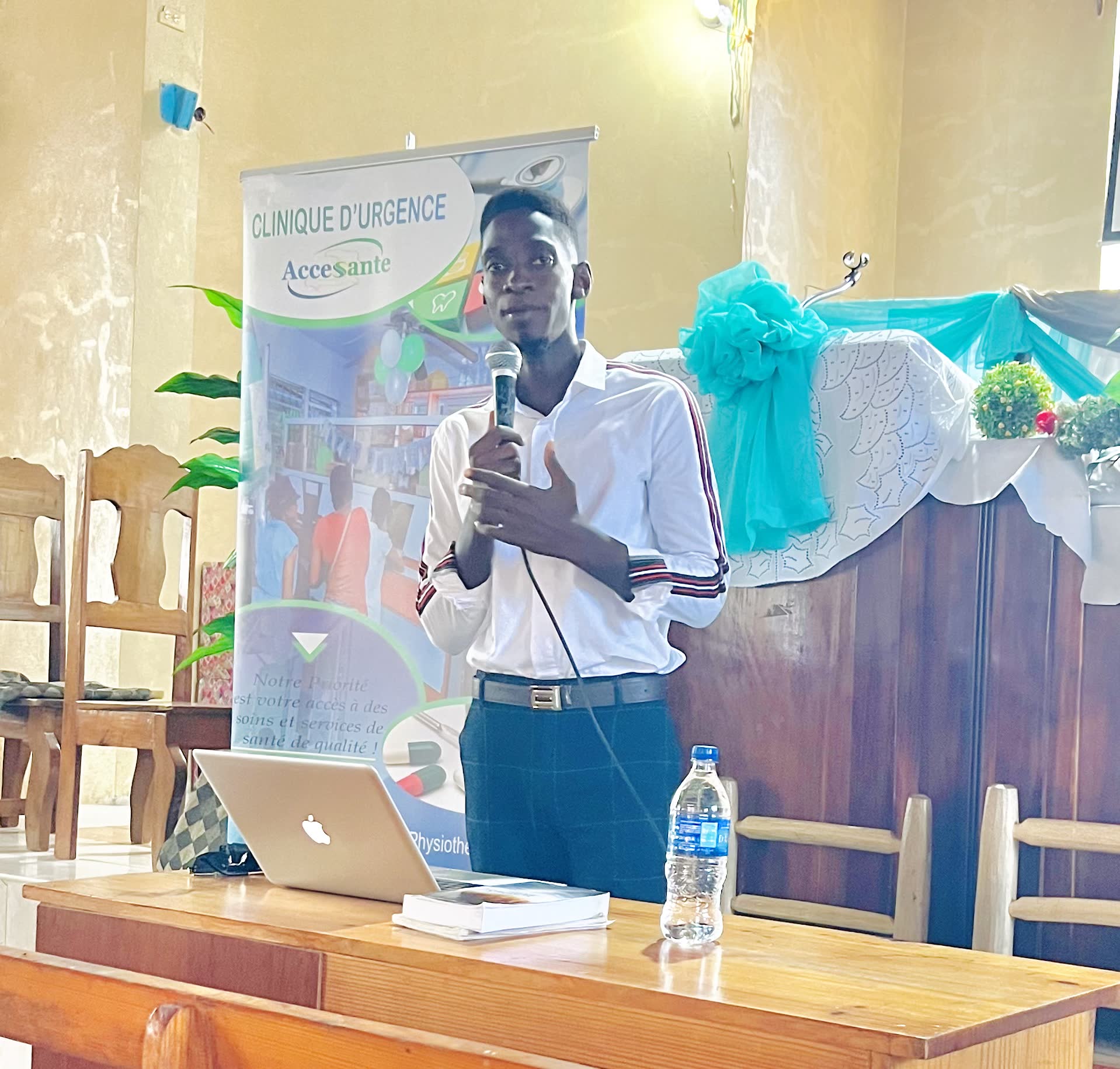
On August 24, 2024, Accès-Santé Emergency Clinic organized a major training dedicated to mental health, addressing critical needs of a community facing persistent insecurity and economic precarity.
Hundreds of Limbé residents benefited from structured knowledge about psychological health importance and concrete strategies to cultivate emotional well-being in a context of multidimensional vulnerability.
This initiative marks a turning point in Accès-Santé's institutional mission, placing prevention and holistic health promotion at the heart of its commitment to the population.
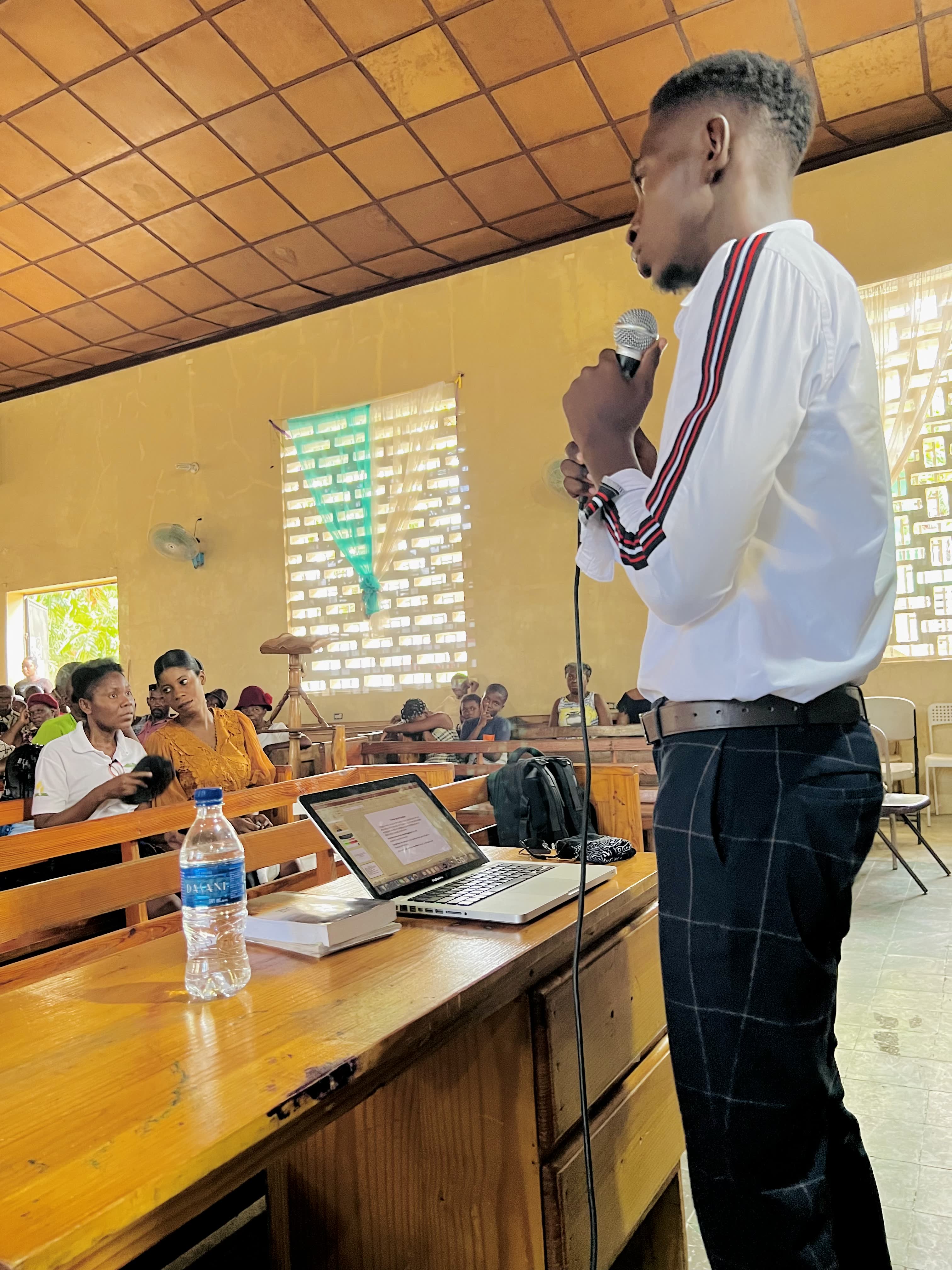
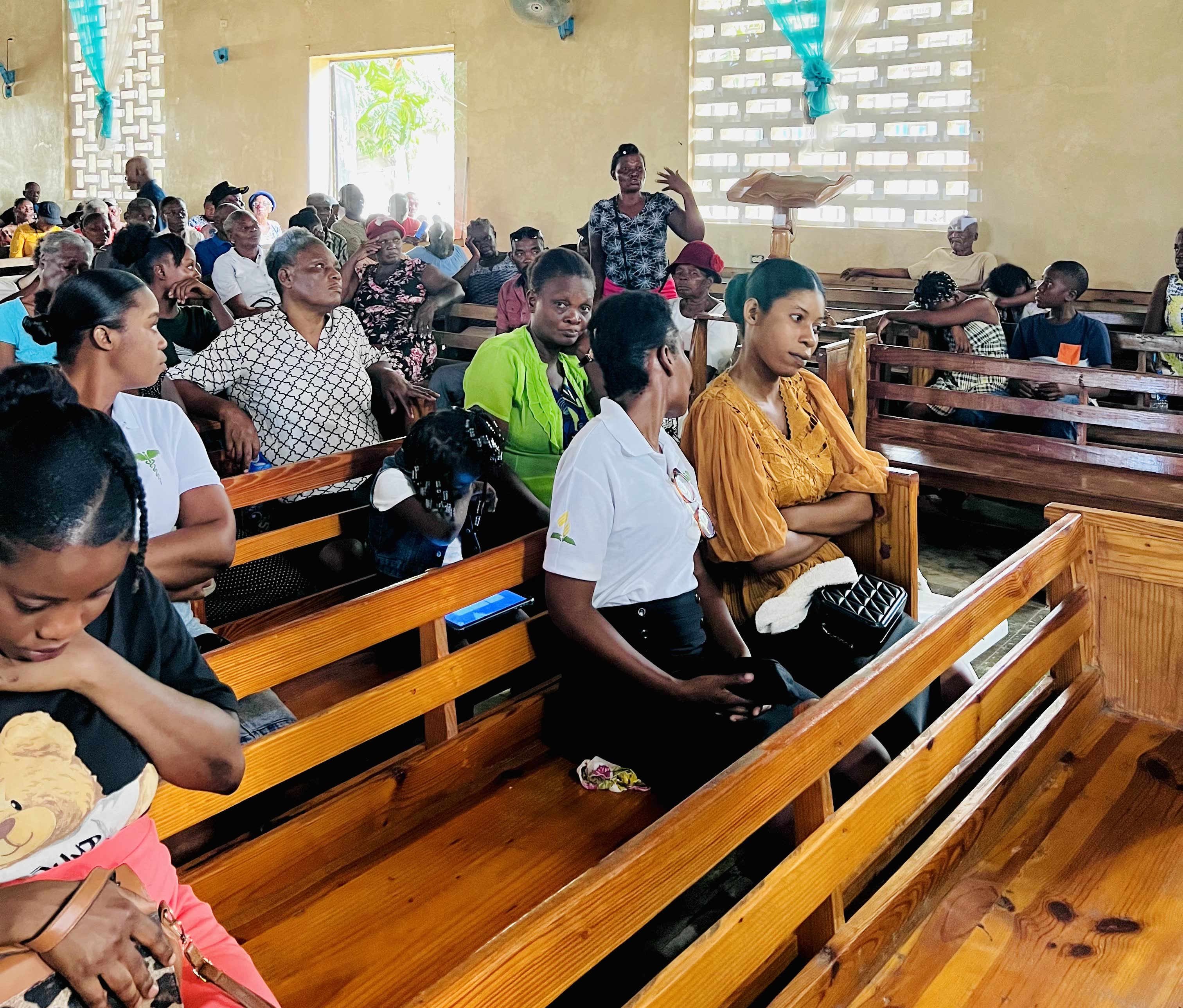
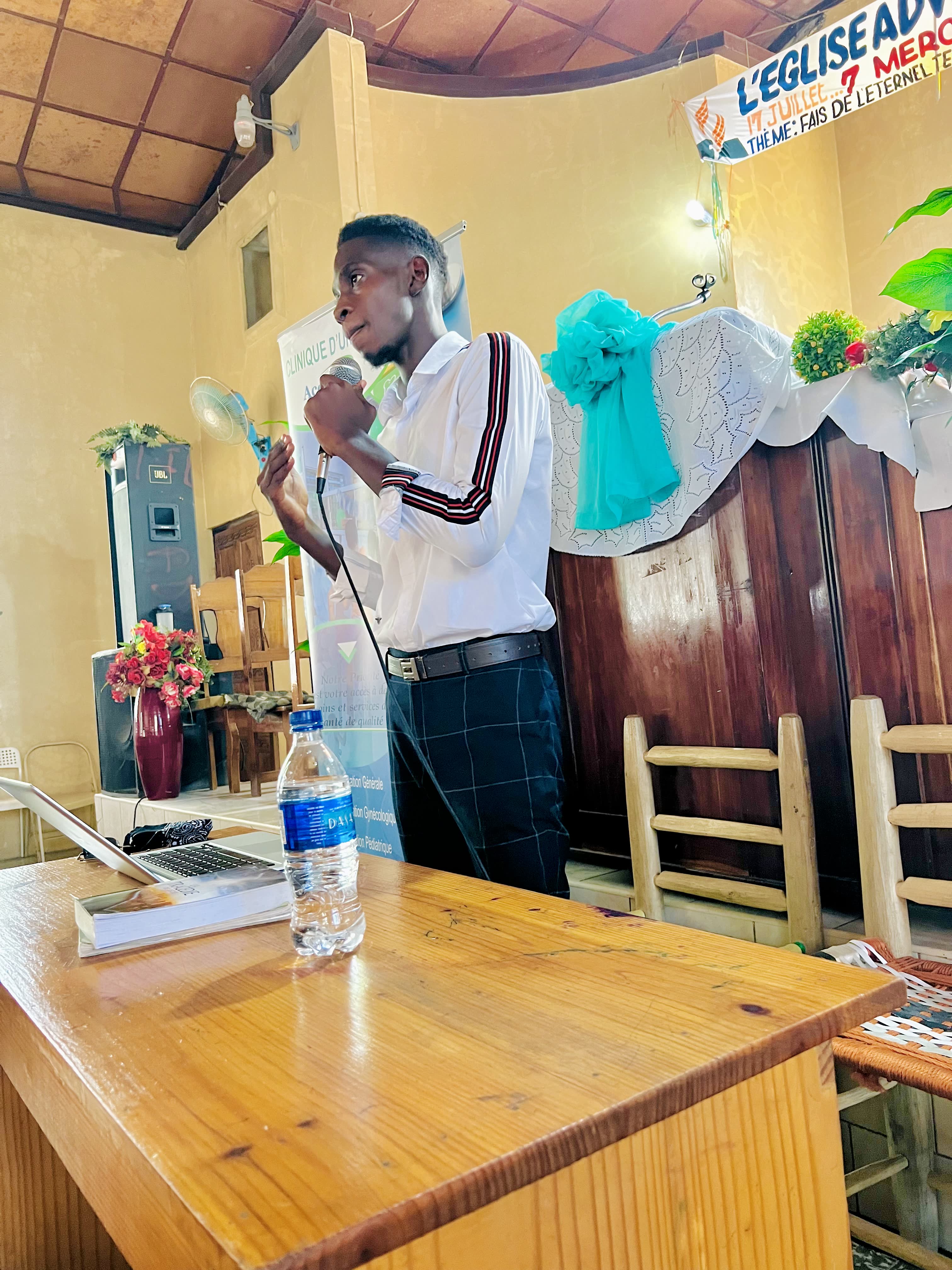
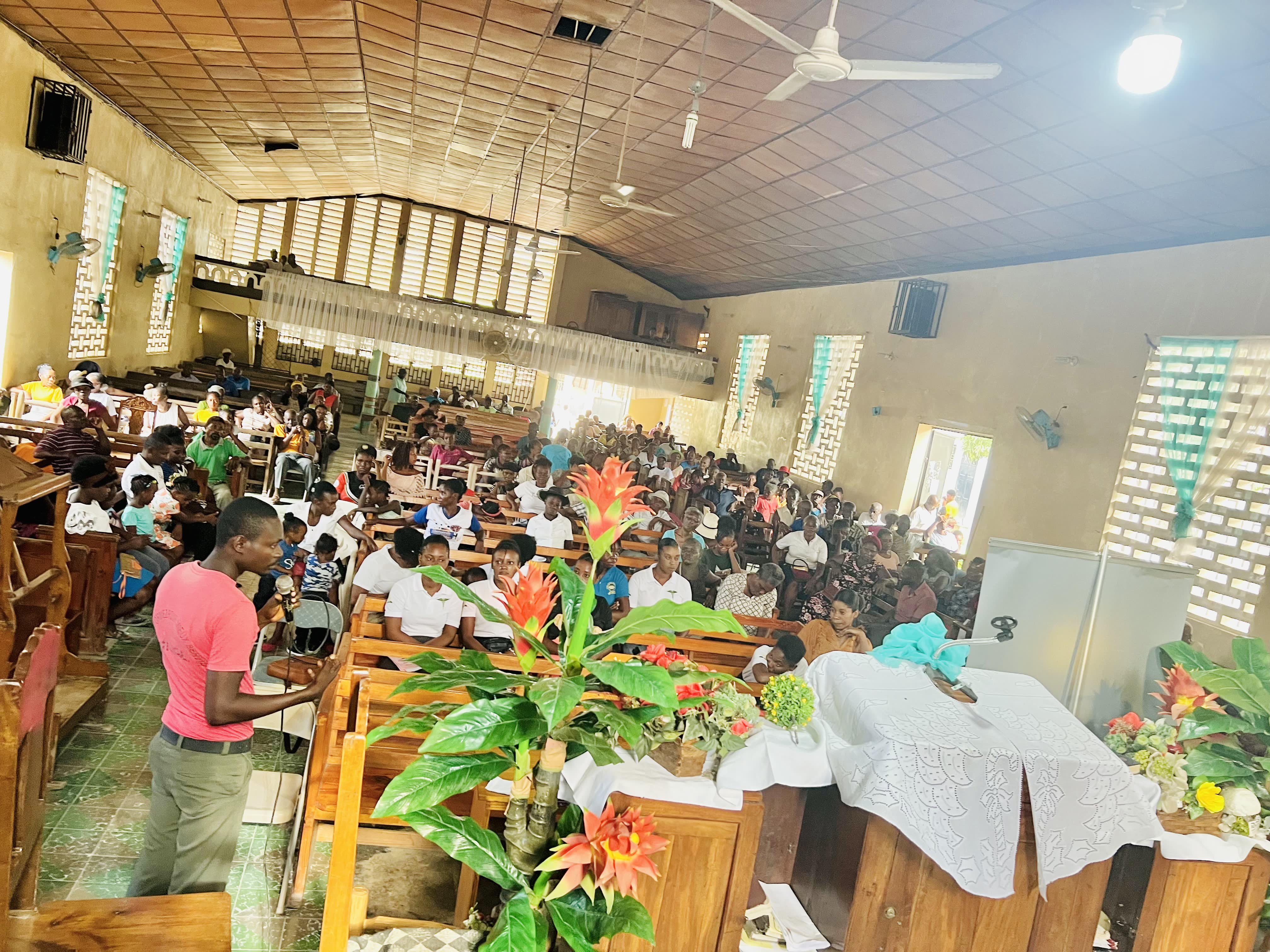
The August 24, 2024 training took place in close collaboration with Adventist Church Temple 1, a key community partner in Limbé. Thanks to scientific support from Dr. Alexandre Steeven Sonley and operational coordination by Gesner Delhomme, the event benefited from rigorous pedagogical structure and exceptional community mobilization. Hundreds of participants gathered to explore essential dimensions of mental health: recognizing warning signs, understanding chronic stress mechanisms, impacts of socio-economic environment on psychological balance, and especially concrete strategies to cultivate daily resilience. Discussions focused on themes close to the lived realities of Limbé residents, enabling authentic and immediate appropriation of educational content.
The atmosphere that prevailed during this training reflected the community's sincere commitment to transforming its relationship with mental health. Participants, representing diverse age groups and social backgrounds, demonstrated remarkable involvement, asking relevant questions, sharing personal experiences, and expressing determination to apply learning concretely within their respective families. This collective mobilization testifies to growing awareness that mental health is not a luxury or taboo, but a fundamental necessity for navigating daily challenges. The positive energy emanating from the room demonstrates that Limbé's population is ready to appropriate this knowledge and become an agent of health and social change in its community.
Mental health ceases to be a taboo to become a legitimate and shared concern, allowing each inhabitant to cultivate resilience in the face of socio-economic and security turbulence.
The crucial importance of this training lies in its ability to transform collective perception of mental health in Limbé. In an environment marked by persistent insecurity and economic precarity, psychological disorders, chronic stress, and depression constitute silent scourges that weaken individuals and gradually undermine community bonds. Too often these problems remain invisible or stigmatized, depriving affected persons of access to resources and understanding that could significantly improve their quality of life. By structuring rigorous pedagogical training around these critical issues, Accès-Santé created a collective learning space where psychological vulnerability is recognized, normalized, and treated with dignity. Participants who passed through this training now carry with them better understanding of mental phenomena, concrete tools for managing daily stress, and above all, certainty that preventing psychological disorders before they crystallize into crises is possible and desirable.
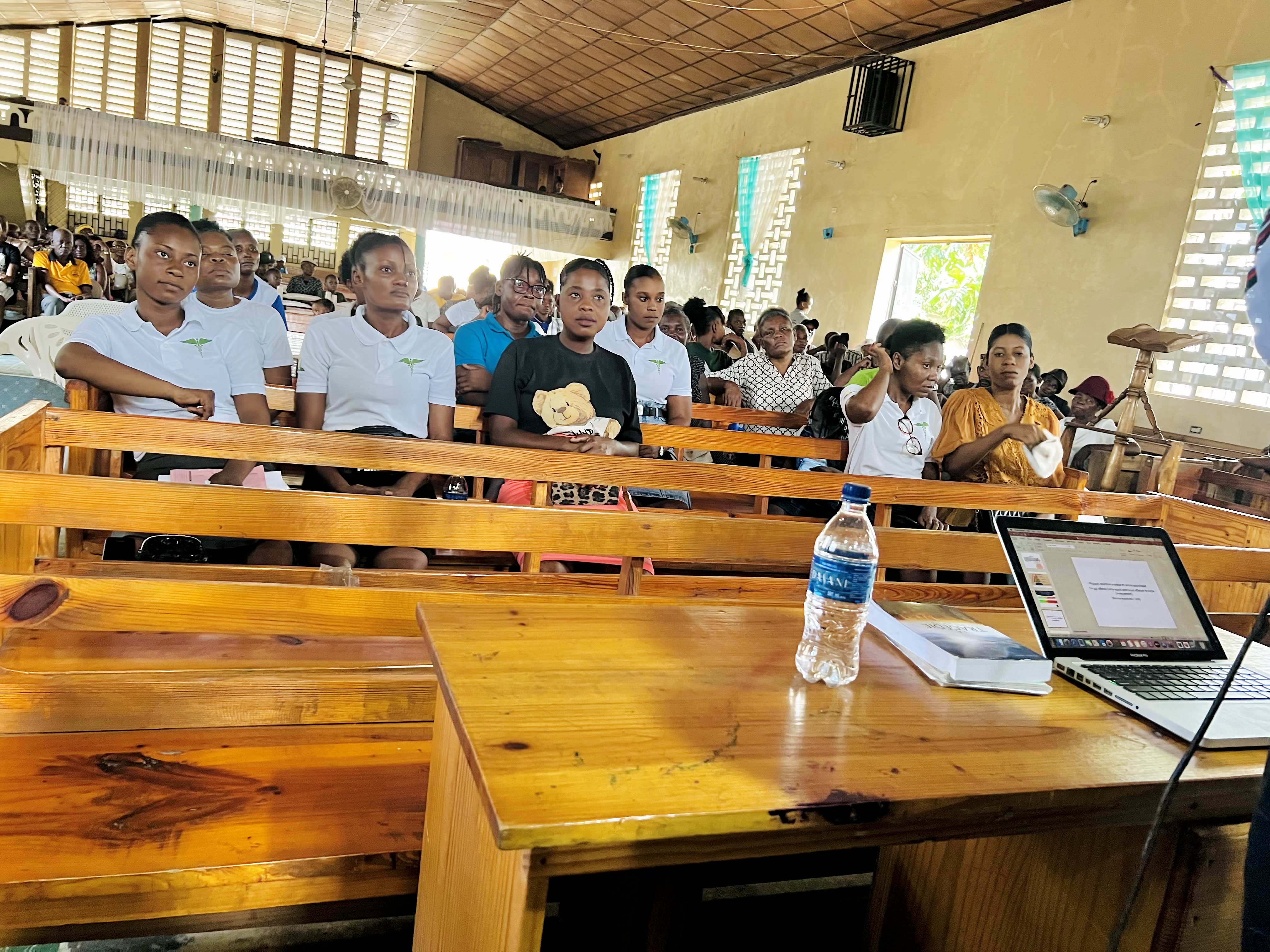

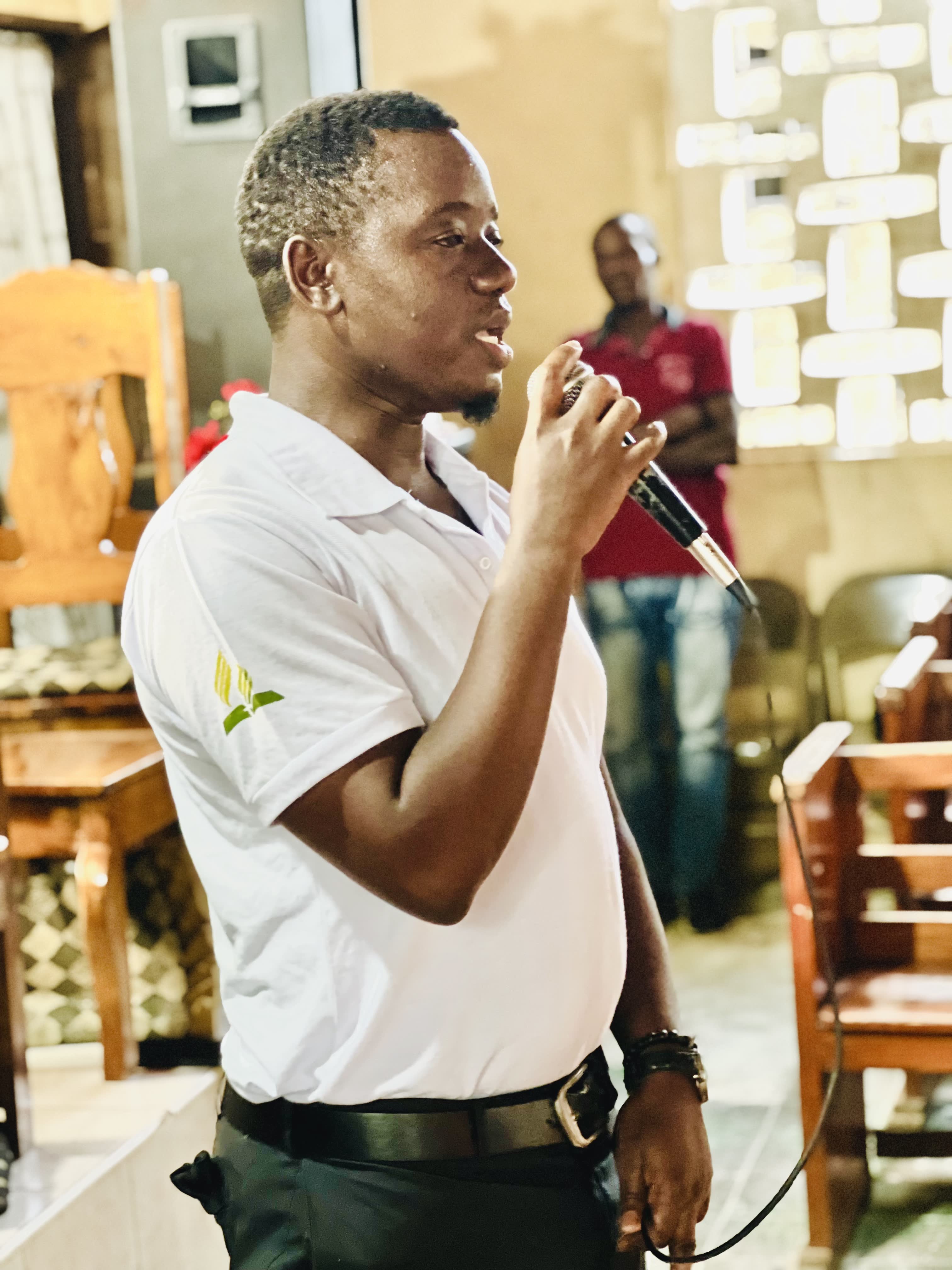


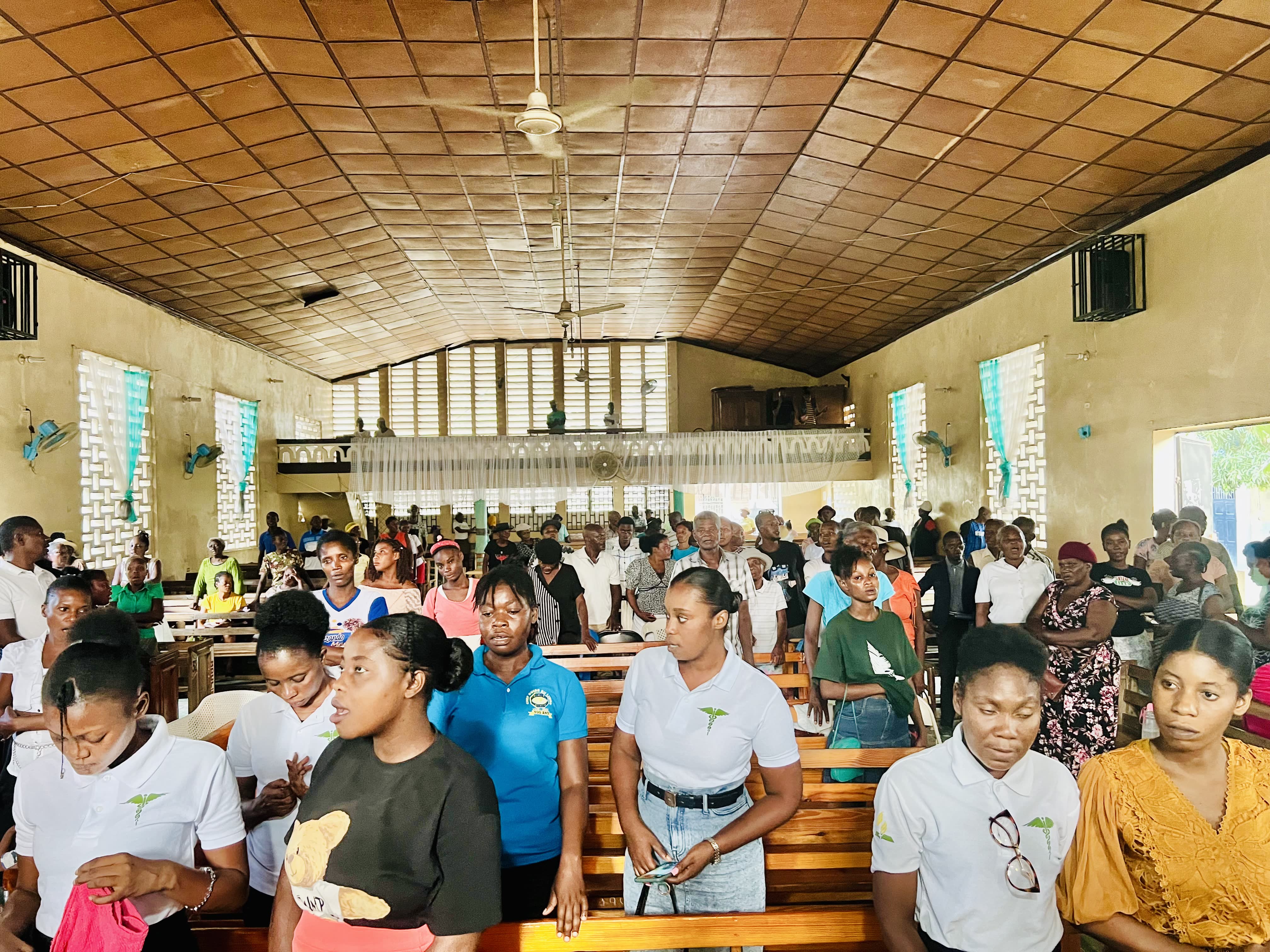
This initiative fully aligns with Accès-Santé Emergency Clinic's institutional mission, which advocates a holistic health approach with firm emphasis on prevention rather than emergency intervention alone. By collaborating closely with community partners like Adventist Church Temple 1, Accès-Santé consolidates a robust and durable partnership network, rooted in Limbé's social realities. This proximity strategy, where the clinic becomes a visible, credible, and deeply committed actor alongside local institutions and residents, significantly strengthens population trust in the establishment. It also demonstrates a fundamental truth: health is not the exclusive responsibility of the medical sector, but a collective endeavor involving all community actors, from the religious sector to the social fabric as a whole. This participatory approach opens promising perspectives for future activities, where clinical health and community health work together toward sustainable improvement of collective well-being.
On this day of August 24, 2024, Accès-Santé marked a decisive milestone in its community engagement journey and its fight for health and social transformation in Limbé. The hundreds of participants who benefited from this training now leave equipped with structured knowledge about mental health and concrete, applicable strategies to cultivate their psychological well-being. Each of these participants becomes a potential ambassador, capable of transmitting to their family, neighborhood, and close networks the paramount importance of caring for their emotional and psychological balance. The impact of this training extends far beyond the training room walls: it gradually spreads through families, homes, neighborhoods, and progressively consolidates a new and positive culture of prevention and mental well-being within the Limbé community. Accès-Santé will continue its determined and innovative efforts so that mental health definitively ceases to be a taboo subject and becomes a clearly recognized priority integrated into daily life of every resident, thus contributing to building a more resilient, more conscious, and more humanistic community.