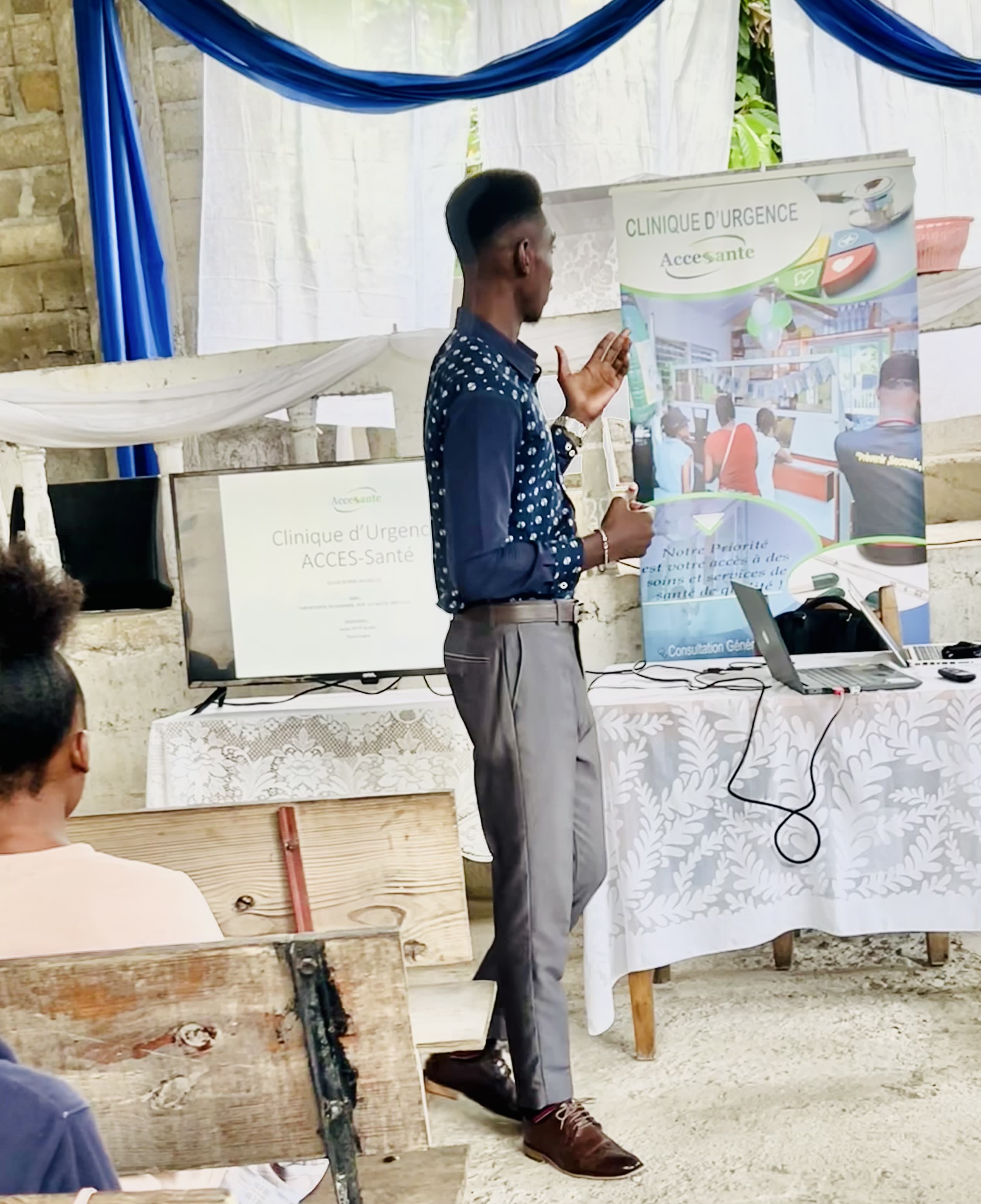
Young people in Limbé grow up in a complex environment marked by persistent socioeconomic fragility and increasing insecurity that profoundly shape their development. These daily realities create emotional vulnerability that is often invisible yet intensely felt, forcing many adolescents and young adults to bear the weight of their feelings alone without safe spaces or tools to explore and transform them. Facing this concerning reality, Accès-Santé Emergency Clinic decided to act by identifying and addressing a fundamental need: offering young people structured and supported learning on emotional intelligence, a pillar of their psychosocial well-being.
Emotional Intelligence in Limbé: Accès-Santé Invests in Youth Resilience

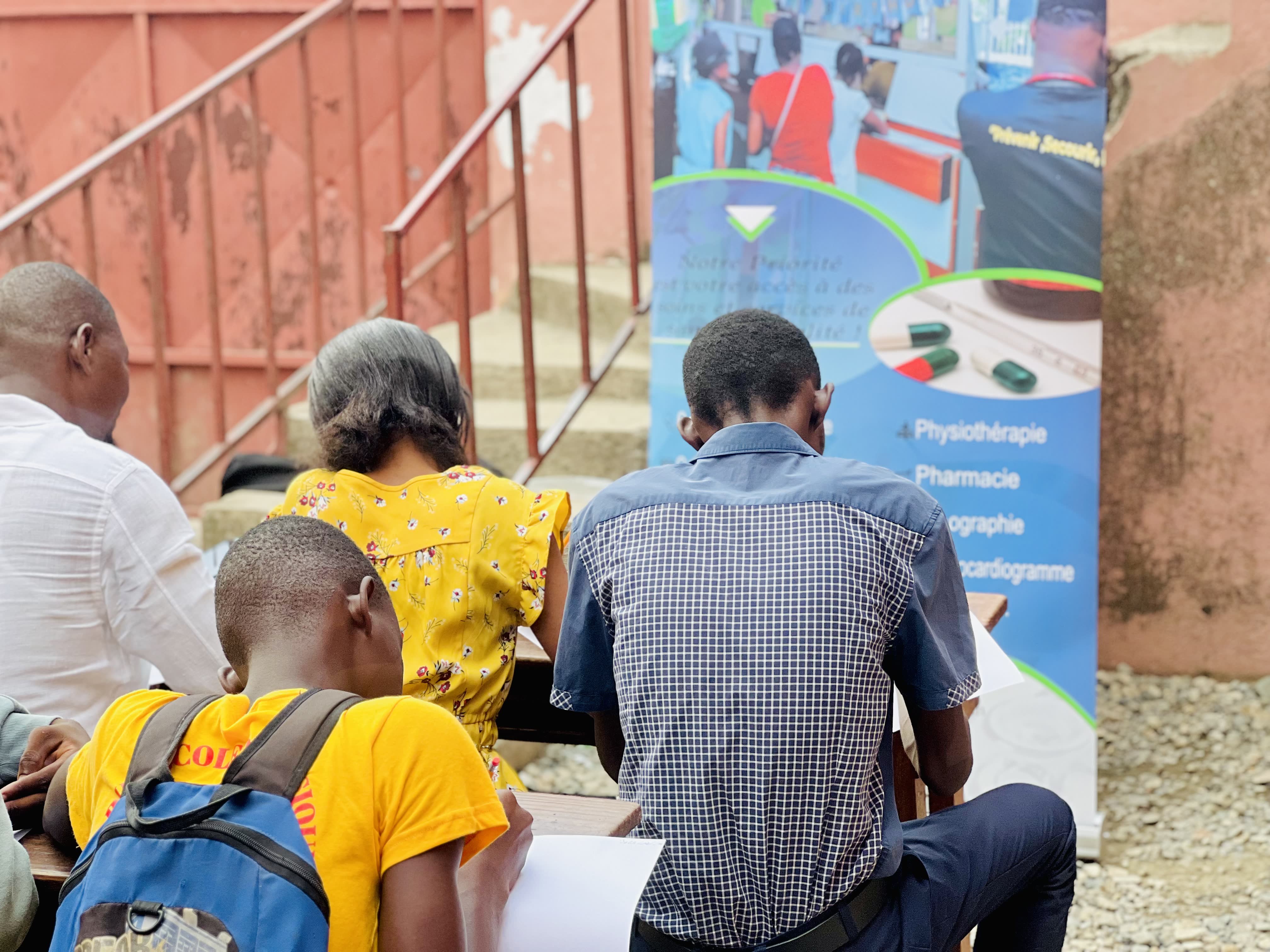
On August 23, 2024, Accès-Santé Emergency Clinic launched an innovative educational initiative in Limbé, offering young people structured training in emotional intelligence. This action addresses a fundamental need identified among vulnerable populations, often facing fragile socioeconomic contexts and increasing insecurity.
Young people in Limbé, particularly cultural actors, benefit from concrete tools to recognize, express, and manage their emotions. This learning strengthens their ability to adapt and build resilience against daily challenges in their environment.
Beyond a single intervention, this approach reflects a holistic vision of health, strengthening Accès-Santé's commitment to emotional and psychosocial well-being for its populations.
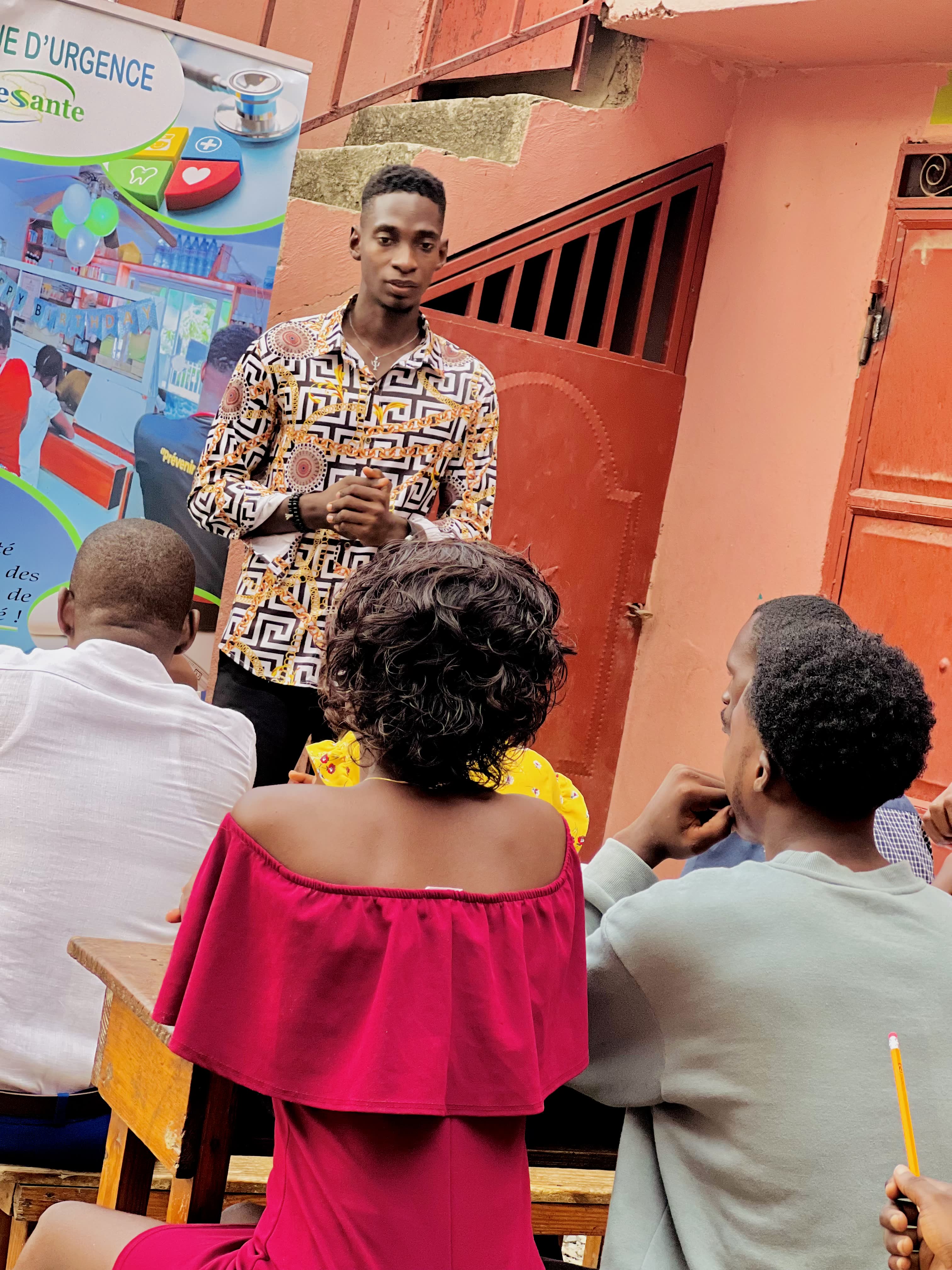
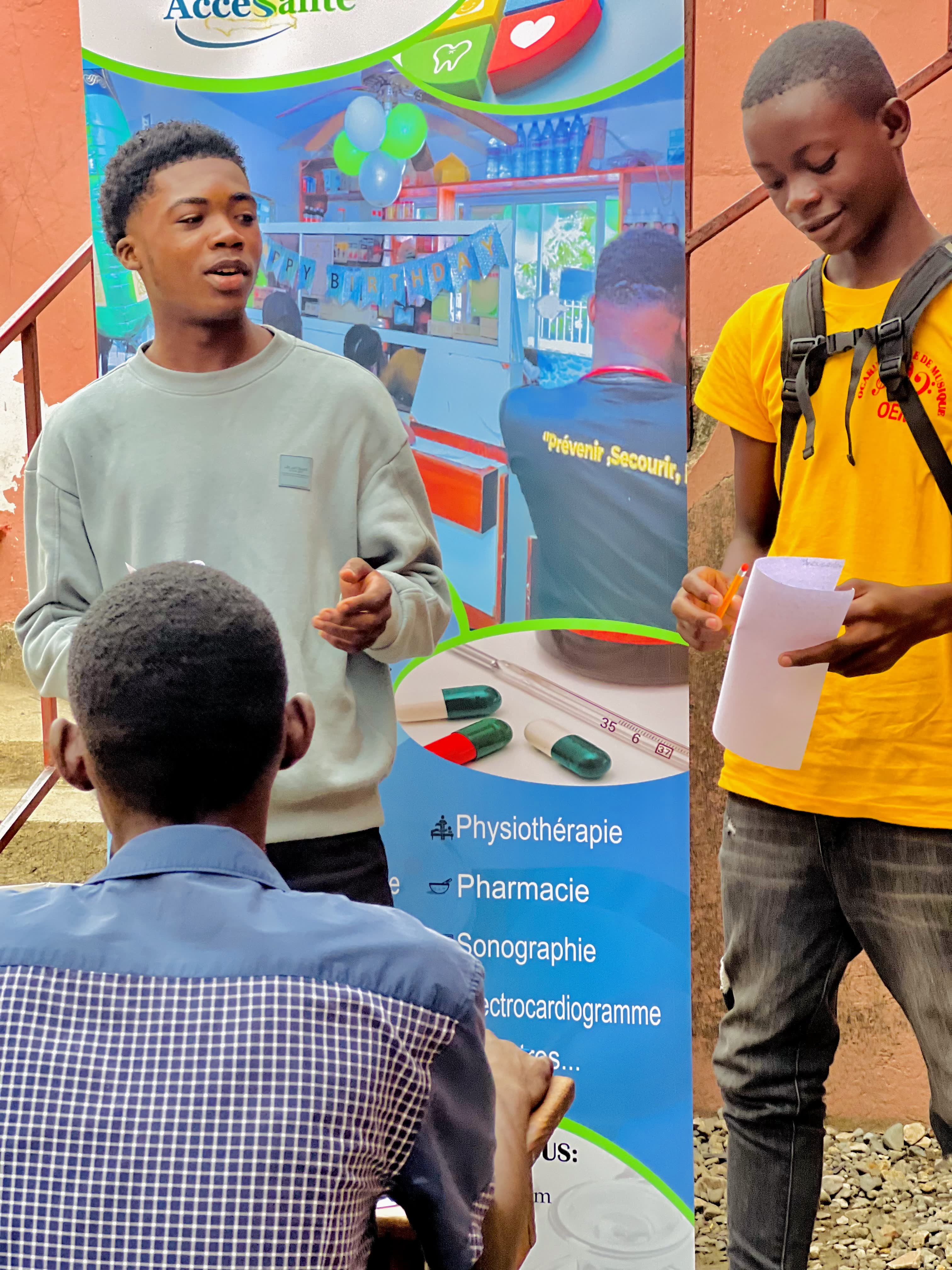
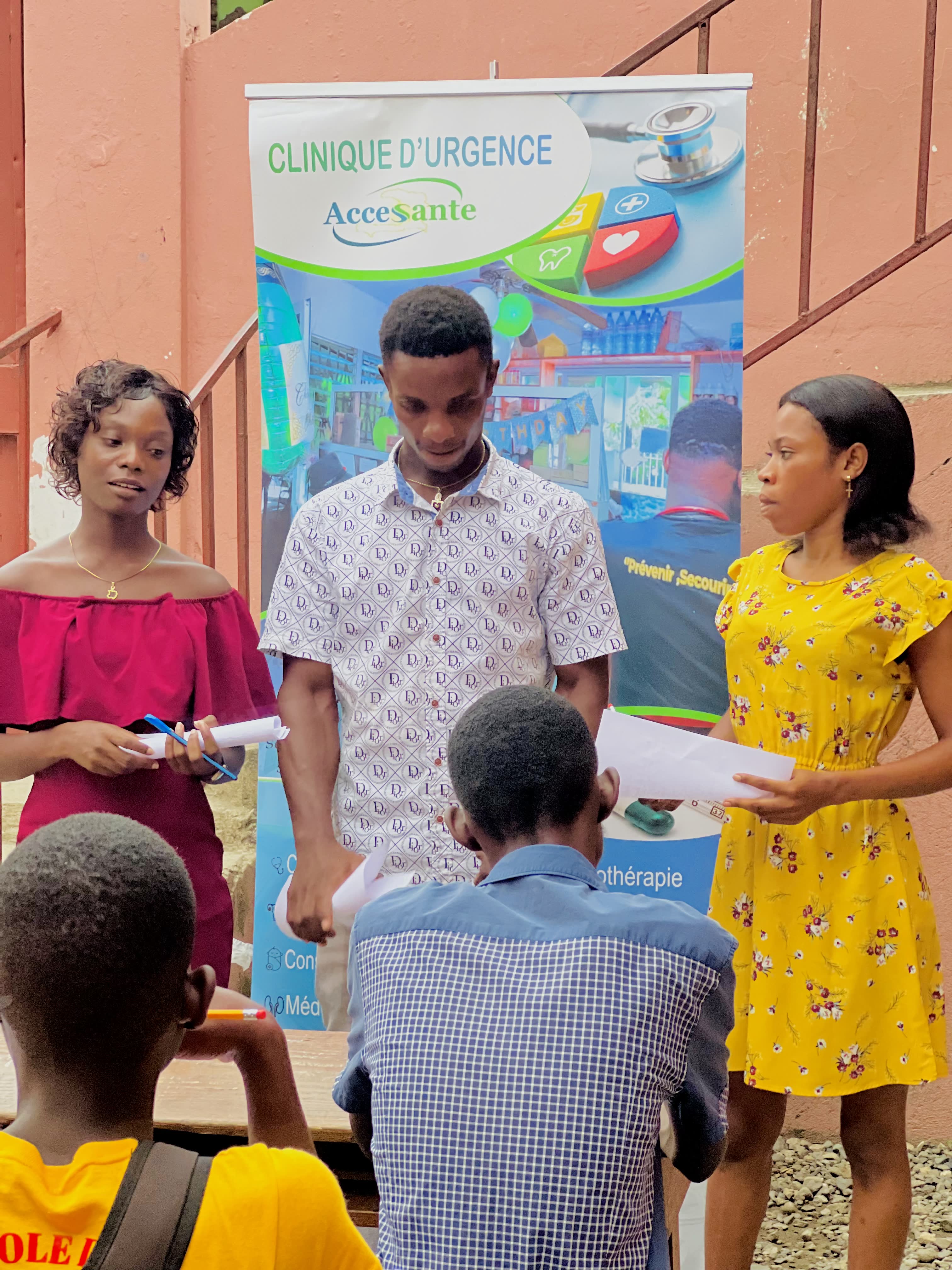
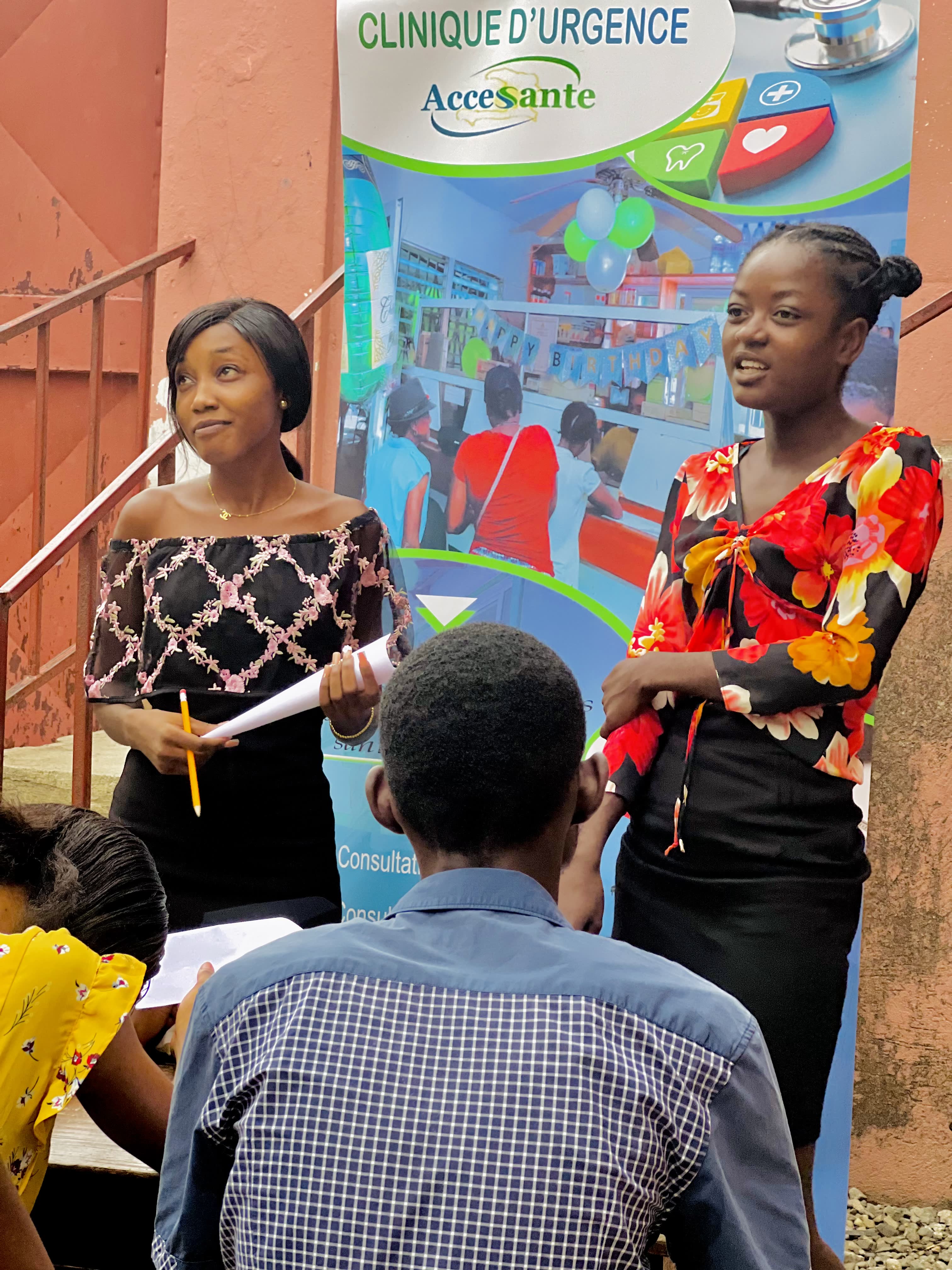
On August 23, 2024, this innovative workshop took place in Limbé, bringing together young cultural actors and community members around a central theme: exploring and managing emotions. During this session, participants deepened their understanding of emotional mechanisms, learned to identify their feelings without fear or judgment, and discovered concrete strategies to express them constructively. Discussions focused on how emotions impact behavior and interpersonal relationships, helping young people understand the connection between their inner world and their daily interactions. This training created a privileged space where each person felt recognized, heard, and progressively equipped to navigate their environment with greater confidence.
The participants' engagement revealed an authentic thirst for learning and personal transformation. Young people actively participated in discussions, courageously shared their lived experiences, and demonstrated remarkable openness to the proposed concepts. The workshop atmosphere was characterized by mutual, compassionate listening, where each voice found a legitimate and respected place. This positive dynamic allowed participants to gradually create a sense of belonging to a benevolent collective, strengthening the transformative nature of this experience. The enthusiastic reactions and constructive questions throughout the session confirmed the vital importance of this space for the community.
Providing young people with training on emotional intelligence equips them with transformative learnings: a deep understanding of emotions, the ability to recognize and express them constructively, and above all, awareness of their impact on behavior and interpersonal relationships.
The importance of this initiative lies in recognizing a major gap affecting vulnerable populations: the absence of dedicated spaces to explore and manage emotional life. Too often, young people facing adverse circumstances internalize their feelings, developing dysfunctional coping mechanisms that harm their overall well-being and damage the quality of their social relationships. By training these young people in emotional intelligence, Accès-Santé provides them with concrete tools for building resilience: the ability to recognize their feelings, express them constructively, and use them as information about their authentic needs. These fundamental learnings will enable young people to better cope with the unpredictable shocks and uncertainties of their socioeconomic environment, strengthening their psychological stability and self-confidence.



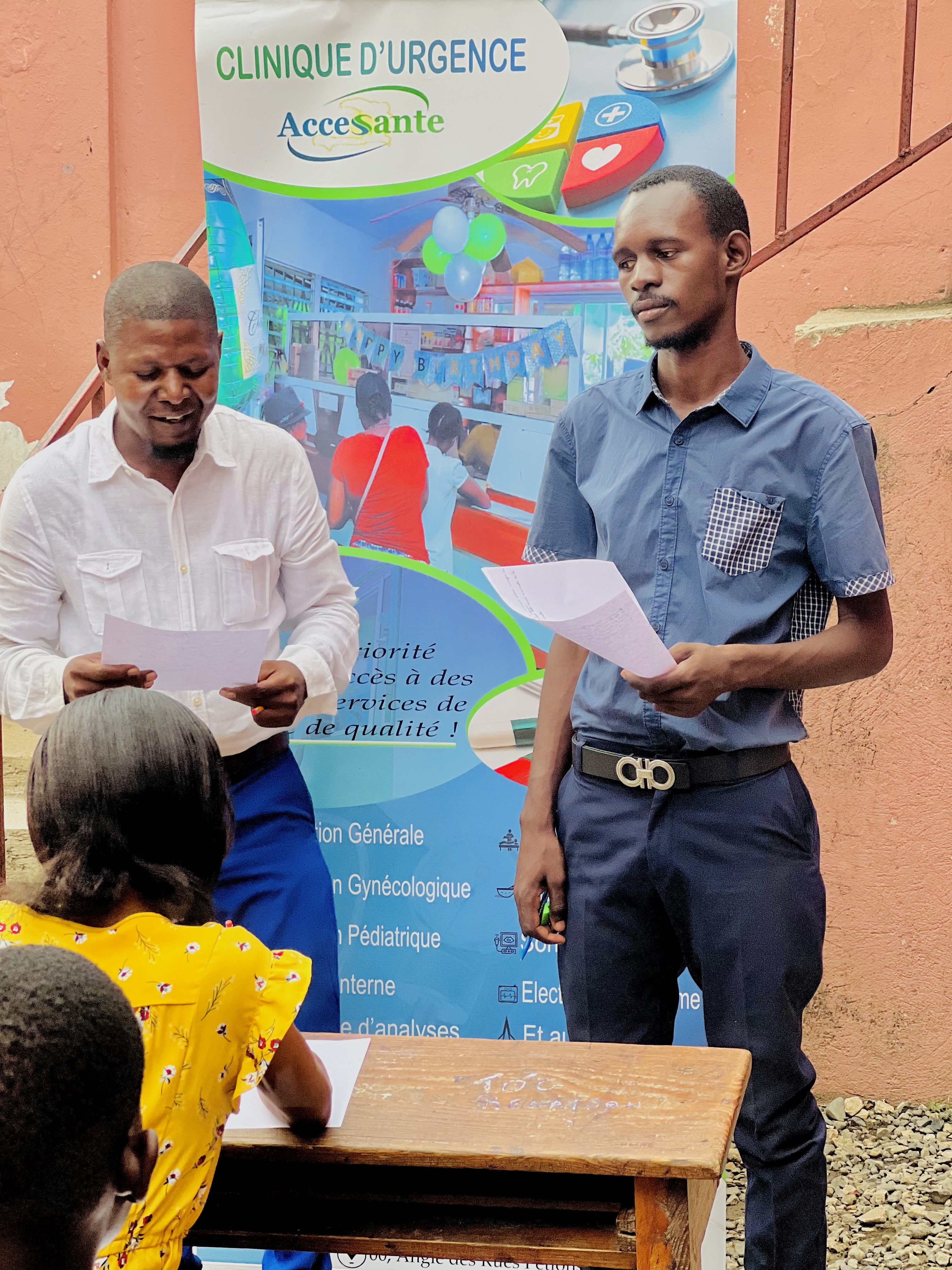

This initiative naturally aligns with the holistic mission of Accès-Santé Emergency Clinic, which transcends simple medical care to embrace an integral vision of health. By intervening at the level of psychosocial prevention and emotional well-being, the organization strengthens its commitment to marginalized populations in Limbé, recognizing that true health encompasses the physical, mental, and social dimensions. The activity embodies the core values of Accès-Santé: equitable access to quality services, non-judgmental listening, and the promotion of sustainable and inclusive health. By working closely with young cultural actors, the clinic values the multiplier effect of the artistic sector in community transformation and collective well-being improvement. This strategic partnership progressively strengthens the bonds between the health institution and community structures, building an ecosystem of integrative health serving everyone.
Beyond this first session, the initiative carries the potential to create lasting, sustainable change within the Limbé community. The young people who participated in this workshop become progressive vectors of transformation, capable of sharing their learning with their peers, families, and those around them, extending the benefits of this training far beyond the initial group. Accès-Santé is firmly committed to continuing and expanding these trainings in the coming months and years, recognizing that investing in young people's emotional health is a strategic investment in collective future and community stability. This approach reflects sustainable prevention logic, progressively reducing psychosocial crises and strengthening the community's structural capacity to face and overcome adversity. The path is now clear: thanks to the unwavering commitment of all stakeholders, young people in Limbé now have concrete and lasting tools to cultivate resilience, transform their relationships, and collectively build a healthier, more humane, and more hopeful future.